Gabon’s decade-long energy blueprint unveiled in Cape Town
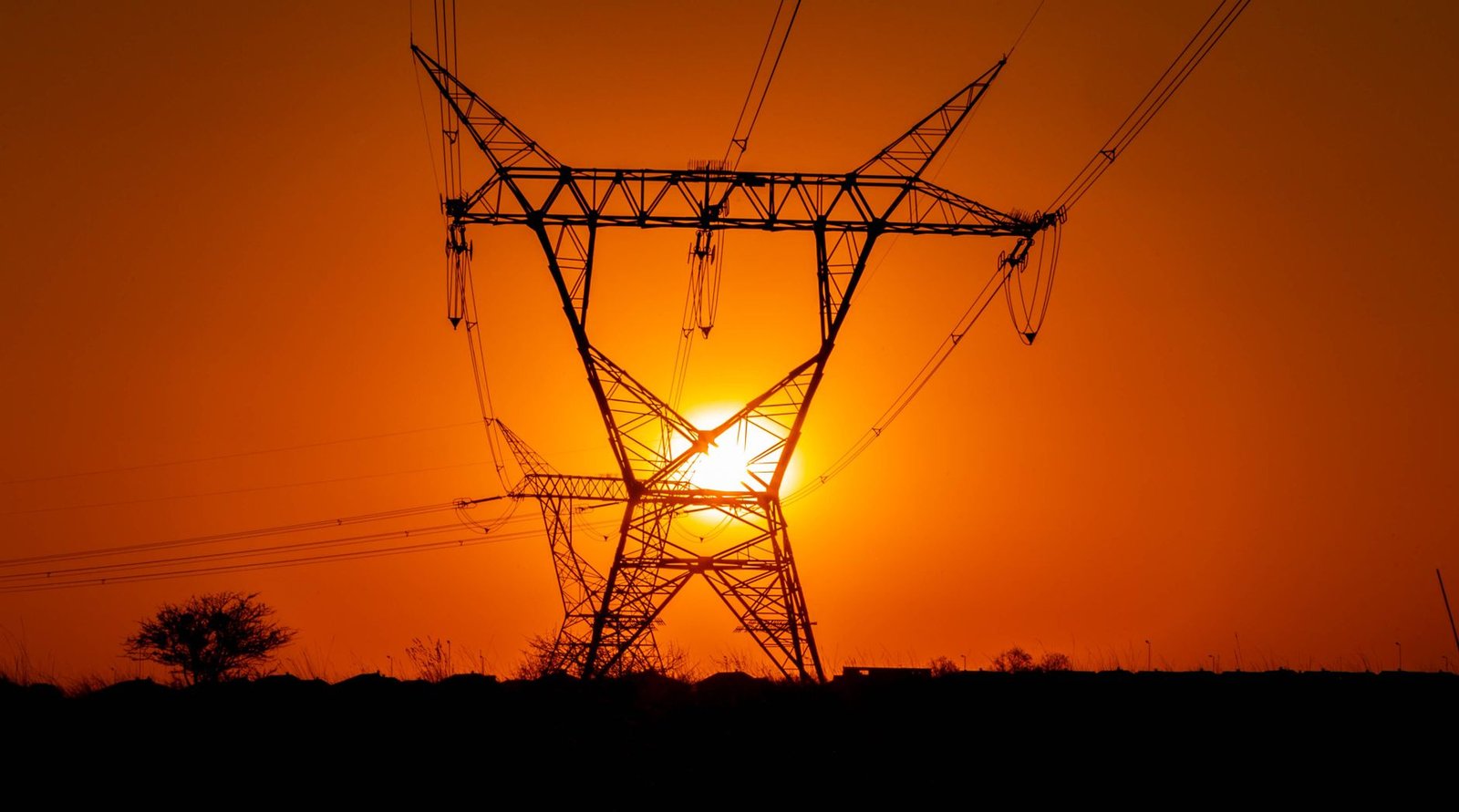
Gabon’s comprehensive 2026-2035 energy strategy was officially presented in Cape Town, South Africa, during the African Energy Forum, a premier gathering for the continent’s energy sector. The Gabonese delegation, led by Philippe Tonangoye, Minister of Universal Access to Water and Energy, outlined its strategic priorities to an audience comprising representatives from over 45 nations, international financial institutions, specialized funds, and leading industry operators. Libreville’s stated ambition is clear: to elevate Gabon’s standing on the African energy landscape and secure a share of the significant capital flowing into the continent.
A ten-year roadmap to bridge the energy gap
This newly introduced plan spans a decade, aiming to fundamentally restructure Gabon’s national energy mix. Currently, the nation’s electricity generation relies heavily on hydroelectric and thermal sources. The government seeks to diversify its energy supply while simultaneously expanding essential services access to its citizens. Achieving universal electricity access remains a paramount concern, particularly in rural areas where connection rates lag significantly behind urban centers.
For Gabonese authorities, the challenge extends beyond mere production. It also involves modernizing an aging transport and distribution network, whose inefficiencies compromise service quality and contribute to technical losses. Consequently, the plan is built upon three core pillars: boosting installed capacity, strengthening transmission infrastructure, and deploying decentralized solutions for remote regions. This integrated approach is designed to make the government’s commitment to universal access a credible and achievable priority.
Cape Town: a vital platform for attracting investment
The selection of the African Energy Forum as the launch platform was highly strategic. Annually, the Cape Town event draws a substantial concentration of public decision-makers, multilateral lenders, and active investors across Africa. For Gabon, a nation navigating tight budgetary constraints and closely monitored public debt, securing concessional financing and private capital is absolutely critical for the successful execution of this ten-year plan.
Minister Philippe Tonangoye utilized the forum to highlight forthcoming investment prospects, encompassing both renewable energy generation and transitional thermal projects. Gabon possesses considerable, largely untapped hydroelectric potential, with various studies estimating it at several gigawatts, alongside significant solar resources in specific territorial zones. Furthermore, natural gas offers promising opportunities, with its local valorization for electricity production being a key focus championed by the authorities.
The presence of international financial institutions and infrastructure funds at the gathering provided Libreville with a direct channel to initiate bilateral negotiations. Beyond initial announcements, the true measure of success lies in transforming this plan into bankable projects. Lenders typically require stable regulatory frameworks, competitive tender processes, and tariff predictability before committing to long-term engagements.
Energy sovereignty and industrial trade-offs
The 2026-2035 plan is integral to a broader drive towards reasserting economic sovereignty championed by the transitional authorities. Energy security serves as a pivotal element, as the availability of reliable electricity directly underpins the development of local industrial value chains, particularly in sectors such as timber, mining, and hydrocarbon processing. The ambition to upgrade these industries necessitates a competitive and consistent energy supply.
The remaining challenge involves reconciling this imperative with Gabon’s climate commitments, as the country positions itself as an exemplary actor in forest preservation. The balance between developing rapidly deployable thermal capacities and accelerating renewable energy deployment will likely shape investment decisions over the next decade. The Cape Town forum effectively opened this crucial debate publicly and gauged investor interest in the Gabonese market. Minister Philippe Tonangoye’s delegation engaged with various partners on the sidelines of the meeting to advance the realization of projects identified within the comprehensive ten-year plan.