Gabon rethinks power deal with Karpowership amid cost concerns
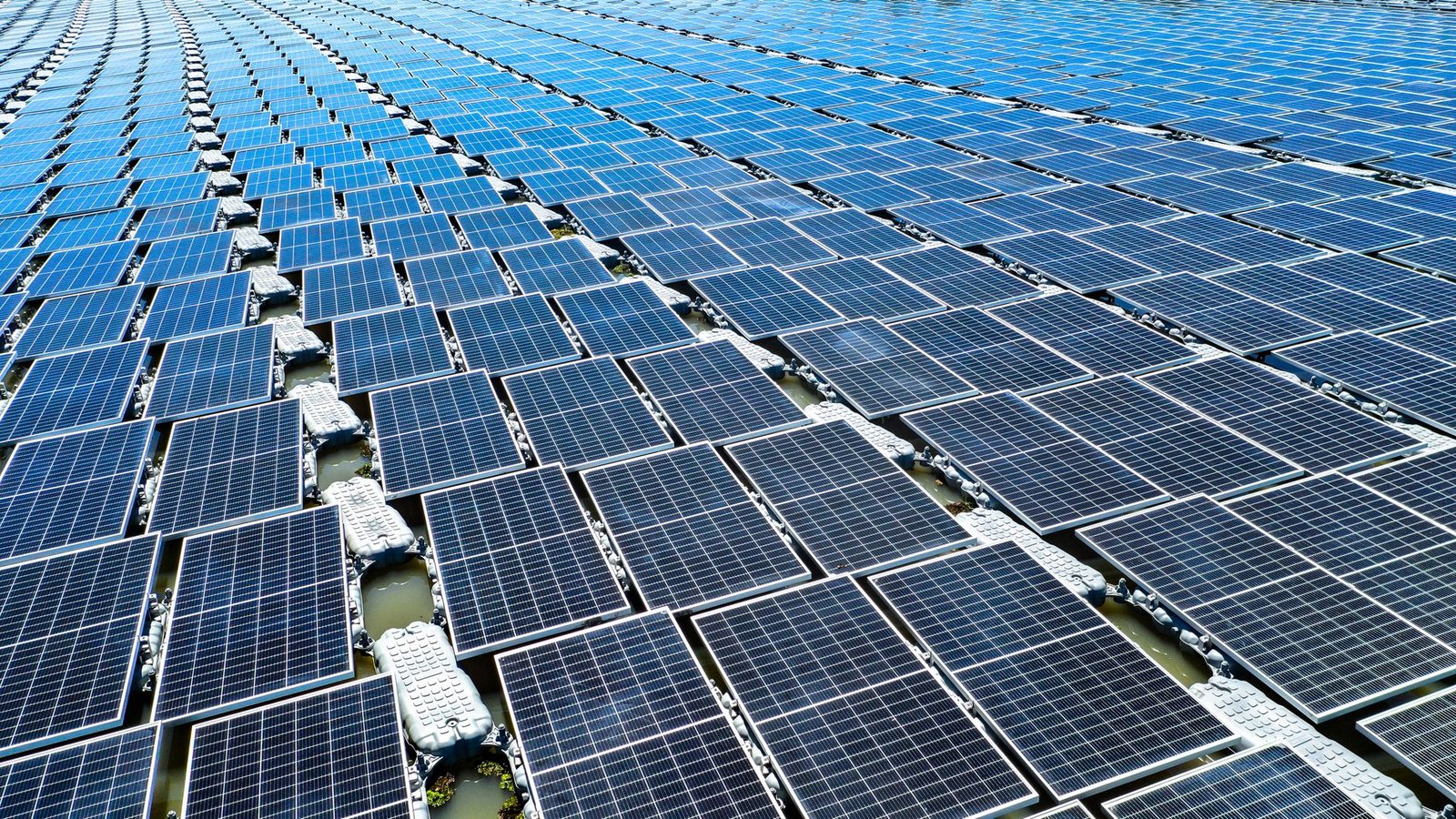
Karpowership, a subsidiary of Turkey’s Karadeniz Holding specializing in floating power plants, has found itself at the center of a budgetary and industrial dispute in Gabon. Officials in Libreville currently allocate 1.8 billion CFA francs monthly for a theoretical capacity of 150 megawatts, yet actual output delivered to the grid hovers between 80 and 90 megawatts. The widening gap has intensified scrutiny as the transitional government seeks to streamline public spending long criticized for its lack of transparency.
Emergency contract now deeply entrenched
The agreement with the Turkish operator was initially framed as a stopgap measure. Faced with chronic power shortages exacerbated by aging thermal plants and unreliable hydroelectric output during dry seasons, Gabonese authorities turned to powerships—floating power stations anchored off Owendo. These vessels can inject dozens of megawatts into the national grid within weeks, a solution already deployed in Ghana, Sierra Leone, and Senegal. While effective in crisis situations, the approach typically incurs higher per-kilowatt-hour costs than conventional land-based plants.
What began as a temporary fix has since become permanent. Despite progress on domestic projects, including hydropower dams and gas-fired plants, the Turkish contract remains indispensable. The Société d’énergie et d’eau du Gabon (SEEG) still relies on foreign supply to meet peak demand, with annual payments exceeding 21 billion CFA francs—a significant burden for a nation under fiscal scrutiny.
Mounting economic and operational concerns
The core issue stems from the disparity between billed capacity and actual delivery. Paying for 150 megawatts while receiving roughly half that amount artificially inflates the real cost per megawatt. Critics within government and technical circles argue the contract’s terms overly insulate Karpowership from demand fluctuations and technical failures. Since assuming office in August 2023, the transitional leadership has launched a comprehensive audit of major public contracts inherited from the previous administration.
Karpowership is far from alone in Africa. The company operates dozens of floating power units across over a dozen sub-Saharan nations, with a notable presence in the region. Its strength lies in rapid deployment, offering units ranging from 30 to 470 megawatts. Its weakness, from the perspective of host states, is the dependency it creates: disconnecting a powership without immediate replacements risks plunging the grid back into outages.
Renew, renegotiate, or walk away?
The dilemma extends beyond finances to operational stability. Terminating the contract without simultaneously activating equivalent capacity could trigger a supply shock. Key projects like the Kinguélé Aval dam—developed with Meridiam—or future gas plants tied to domestic production are still years from full operation. Short-term options are limited.
Three potential paths are under consideration. The first involves renegotiating terms to tie payments strictly to actual power delivered. The second favors a phased exit synchronized with the ramp-up of new infrastructure. The third, more drastic, would involve immediate termination with potential recourse to alternative suppliers, though this could invite international disputes. The decision will shape Gabon’s energy policy credibility and reinforce—or undermine—the transitional government’s stated commitment to industrial sovereignty.
Final deliberations are expected in the coming weeks as the country’s energy roadmap takes clearer shape.