Ebola outbreak in drc: 515 confirmed cases, 91 deaths as ituri remains epicentre
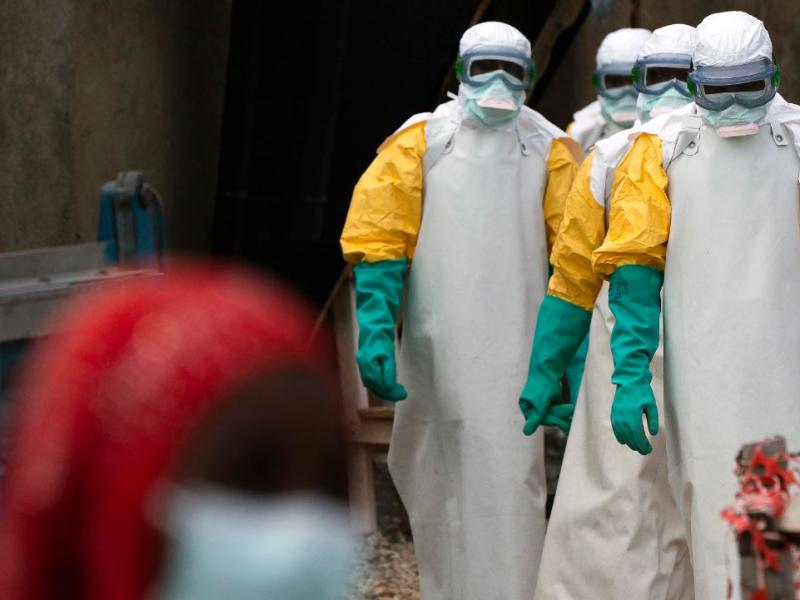
The Ebola virus disease epidemic (Bundibugyo strain) continues to spread in eastern Democratic Republic of Congo. According to the situation report published Sunday, June 7, by the National Institute of Public Health (INSP), 515 confirmed cases have been recorded since the outbreak began in the provinces of Ituri, North Kivu, and South Kivu.
The same report indicates 91 deaths among confirmed cases, yielding an overall case fatality rate of 17.7%.
Health authorities also note that 283 patients are currently in isolation or hospitalised, while 12 people have been declared recovered since the start of the epidemic.
In the past 24 hours, 27 new confirmed cases were recorded.
Twenty-five health zones affected
According to official data, the outbreak now affects 25 of the country’s 104 health zones.
Ituri remains the hardest-hit province, with 17 of its 36 health zones affected, including Aru, Aungba, Bambu, Bunia, Damas, Gety, Kilo, Komanda, Lita, Logo, Mambasa, Mangala, Mongbwalu, Nizi, Nyankunde, Rimba, and Rwampara.
North Kivu and South Kivu also have several active hotspots, illustrating the geographic expansion of the outbreak beyond its initial epicentre.
North Kivu and South Kivu also report deaths.
In the neighbouring provinces, the Katwa health zone remains the main active hotspot, with 11 confirmed cases and 8 deaths.
It is followed by:
- Beni: 5 confirmed cases and 3 deaths;
- Butembo: 4 confirmed cases and 2 deaths;
- Miti-Murhesa: 3 confirmed cases and 1 death;
- Oicha: 2 confirmed cases and 2 deaths;
- Kalunguta: 1 confirmed case and 1 death;
- Kyondo: 1 confirmed case and no deaths;
- Goma: 1 confirmed case and no deaths.
Response facing multiple challenges
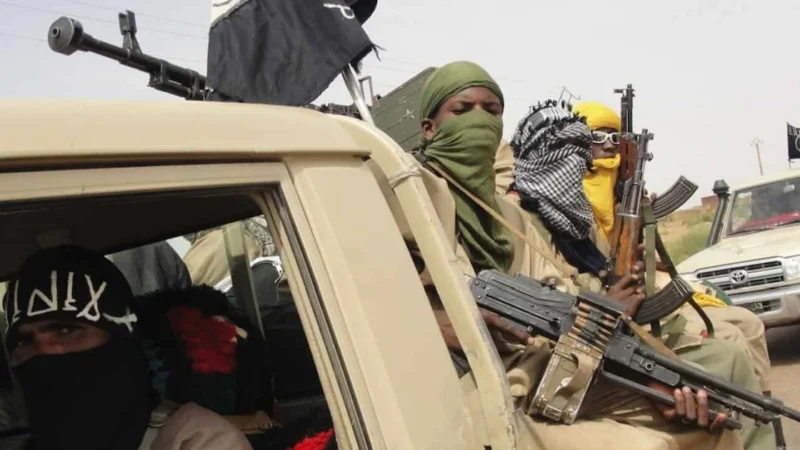
These figures emerge against a backdrop marked by numerous challenges for response teams, including persistent insecurity in parts of Ituri, logistical difficulties in accessing affected communities, and the need to strengthen awareness efforts to combat rumours and disinformation.
Health authorities continue to urge the public to quickly report any suspected cases and adhere to prevention measures to limit the spread of the virus.