Côte d’Ivoire: UEMOA’s economic powerhouse outpaces AES nations
Côte d’Ivoire: UEMOA’s economic powerhouse outpaces AES nations
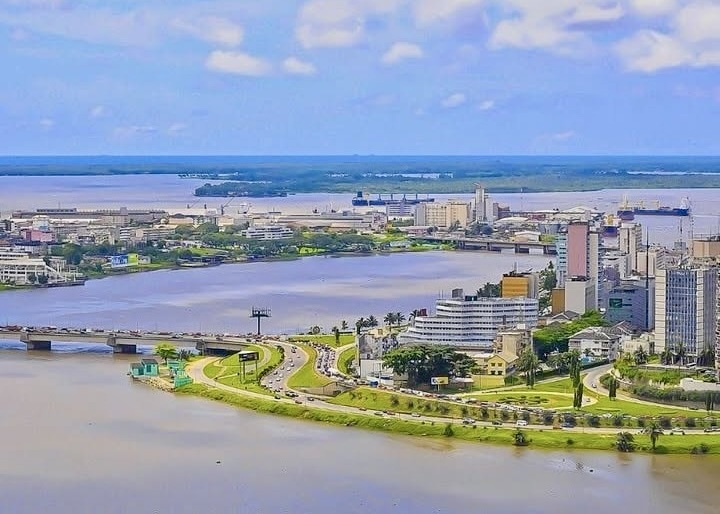
As the leading economy within the West African Economic and Monetary Union (UEMOA), Côte d’Ivoire consistently strengthens its regional influence. This dominance stems from a rare convergence of factors: a vibrant domestic market, advanced infrastructure, prominent port operations, and an investment capacity that significantly surpasses its neighboring countries. These key indicators firmly establish Abidjan as one of the continent’s foremost economic centers.

With public investments exceeding 4,195 billion FCFA, Côte d’Ivoire stands as the undisputed economic engine of the UEMOA. This remarkable financial commitment positions the nation far ahead of its regional counterparts, demonstrating its ability to simultaneously fund ambitious projects in infrastructure, transportation, energy, and urban development. Budgetary figures reveal the sheer scale of this effort: Côte d’Ivoire’s allocation alone substantially surpasses the combined investments of Mali, Burkina Faso, and Niger. These three nations, forming the Alliance of Sahel States (AES), collectively account for approximately 2,100 billion FCFA in programmed public investments, roughly half of what Abidjan mobilizes.
Côte d’Ivoire’s economic footprint is equally pronounced when viewed across the entire community bloc. The nation commands nearly 44% of all public investments scheduled within the UEMOA, concentrating a significant portion of resources earmarked for regional economic development. Its investment envelope is almost three times larger than Bénin’s, more than four times that of Sénégal, and several dozen times greater than Guinée-Bissau’s.
This formidable financial capability is underpinned by the sheer size of the Ivorian economy, which is currently the largest in the Union. According to economist Nouvou Berté, an expert in political economy and international finance, this significant lead is primarily driven by the nation’s expansive domestic market, robust tax revenues, and effective access to financial markets. These crucial levers empower Côte d’Ivoire to finance large-scale programs in sectors deemed vital for its economic transformation. An analysis of per capita investment further highlights the magnitude of mobilized resources; Côte d’Ivoire allocates approximately 116,500 FCFA in public investments per citizen, placing it ahead of Togo and Bénin. The disparity is particularly evident when compared to Sénégal, Mali, Burkina Faso, and Niger.
However, the sheer volume of expenditure does not represent the sole indicator of performance. Certain countries, such as Togo and Bénin, dedicate a larger proportion of their national budgets to investment. This perspective underscores that beyond the amounts committed, the efficiency of public spending remains a critical factor. Roads, ports, universities, electrical grids, and industrial zones only yield their intended benefits when projects are executed rigorously and genuinely address the economy’s actual needs.
Nevertheless, the medium and long-term outlook firmly consolidates Côte d’Ivoire’s prominent position in the region. In its report published in late 2025, the Centre for Economics and Business Research (CEBR) anticipates a substantial ascent for Côte d’Ivoire in the global economic rankings over the next fifteen years. The British firm estimates that the Ivorian gross domestic product could more than double by 2040. This optimistic projection is founded on several inherent strengths: industrial transformation is gaining momentum, agro-industry remains a cornerstone of the economy, and exports are diversified, notably featuring cocoa, gold, and energy. Furthermore, the Autonomous Port of Abidjan continues to play a central role in West African trade, reinforcing the nation’s status as a pivotal regional logistics platform.
These diverse indicators collectively paint a clear picture: Côte d’Ivoire currently possesses the financial means, infrastructure, and production capacities that allow it to exert greater economic influence within the UEMOA than its neighboring states. The ongoing challenge is to effectively translate this economic power into sustainable gains for businesses, robust employment opportunities, and an improved standard of living for its populace.