Côte d’Ivoire backs Morocco’s Sahara autonomy plan
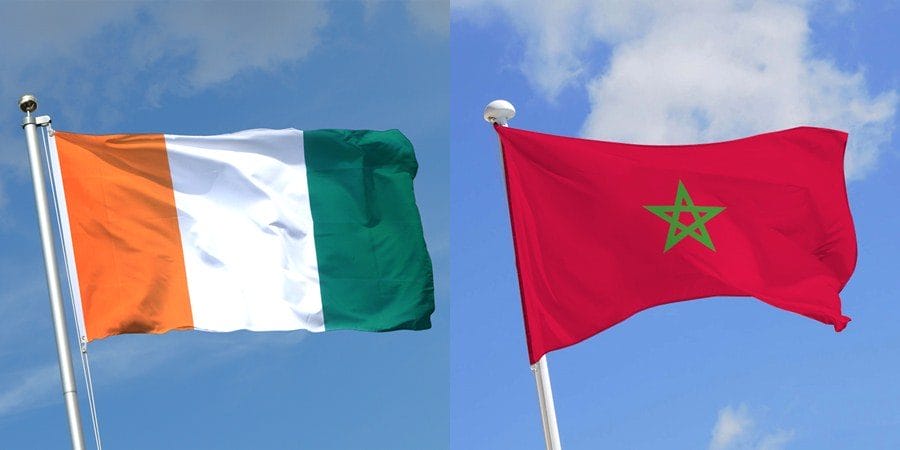
 Flags of Côte d’Ivoire and Morocco © DR
Abidjan reaffirms unwavering support for Morocco’s territorial integrity
During a high-level diplomatic meeting in Rabat, Côte d’Ivoire’s top diplomat delivered a clear message: Abidjan stands firmly behind Morocco’s sovereignty over its entire territory, including the Sahara region. This stance was formalized in a joint communiqué following talks between Nasser Bourita, Morocco’s Minister of Foreign Affairs, and Nialé Kaba, Côte d’Ivoire’s Minister of State for Foreign Affairs, who was on an official working visit to the Kingdom.
The Ivorian minister’s declaration marks another chapter in a long-standing partnership between the two nations. Nialé Kaba emphasized that Côte d’Ivoire’s support for Morocco’s position is both consistent and unwavering, reaffirming complete alignment with Rabat’s approach to the regional dispute.
Diplomatic momentum strengthens international backing for Moroccan proposal
Côte d’Ivoire went further by praising the United Nations Security Council’s adoption of Resolution 2797. The Ivorian government described Morocco’s autonomy plan as the most credible and serious foundation for a lasting solution to the long-standing regional conflict. This endorsement builds on Côte d’Ivoire’s decision to open a consulate general in Laâyoune in 2020, demonstrating the depth of bilateral relations.
Nasser Bourita expressed Morocco’s deep appreciation for Côte d’Ivoire’s position, highlighting the strategic partnership between the two countries. He underscored how this relationship is rooted in mutual trust and strengthened South-South cooperation, setting an example for regional collaboration.
Regional implications of Côte d’Ivoire’s endorsement
The diplomatic alignment between Abidjan and Rabat carries significant weight in the broader African context. Côte d’Ivoire’s vocal support for Morocco’s territorial integrity and its recognition of the autonomy plan as a viable solution strengthen the Kingdom’s position on the continental stage. This move also signals growing African consensus around Morocco’s approach to resolving the Sahara issue, which has long been a point of contention in regional diplomacy.