Senegal’s political crossroads: Faye and Sonko’s dialogue battle
The political landscape in Senegal is witnessing a pivotal moment as two prominent figures, Bassirou Diomaye Faye and Ousmane Sonko, engage in a high-stakes dialogue. This exchange comes at a time when the nation is grappling with pressing socio-economic challenges and the need for inclusive governance.
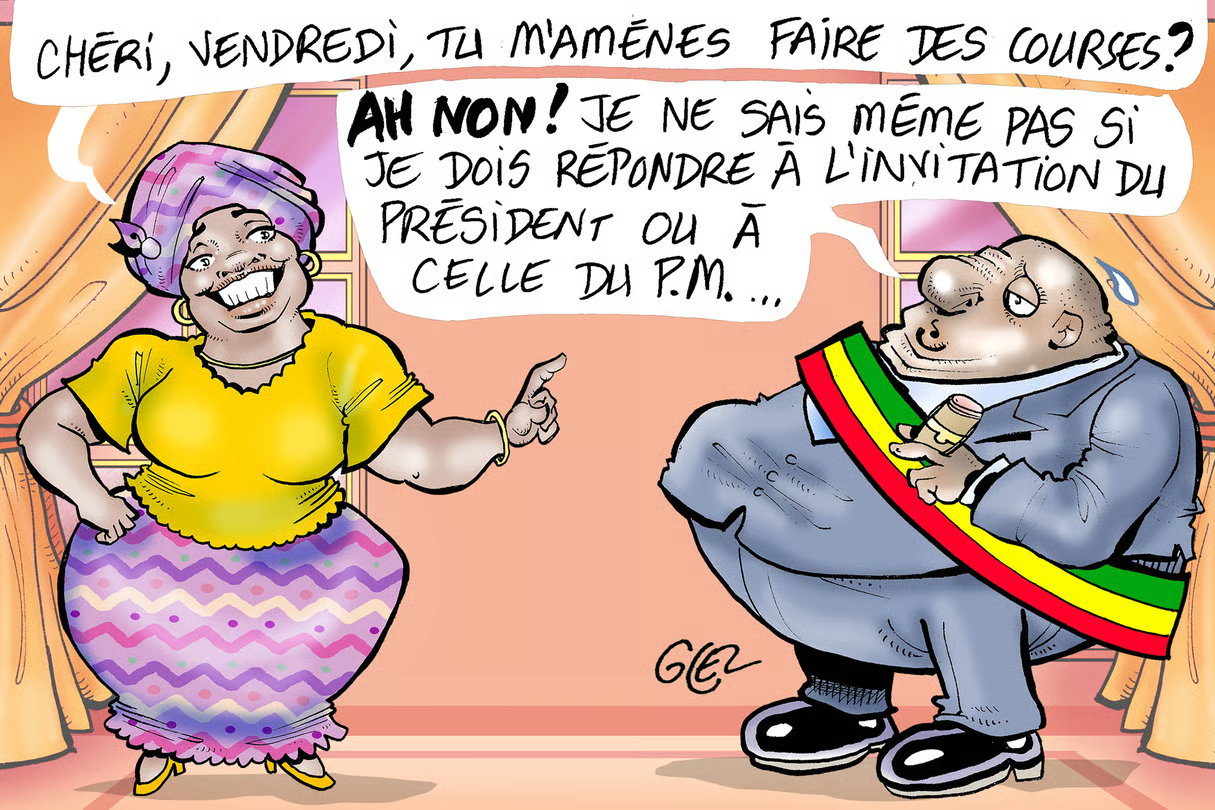
Navigating Senegal’s political future
The ongoing discussions between President Bassirou Diomaye Faye and opposition leader Ousmane Sonko are more than symbolic gestures—they reflect deep societal expectations. Citizens are closely watching, hoping for a path forward that bridges divides and strengthens democratic resilience in Senegal.
This dialogue isn’t just about political posturing; it’s a critical test of whether Senegal’s leadership can foster unity amid diversity. With rising public expectations for transparency and accountability, the stakes couldn’t be higher.
A nation at the crossroads
Senegal stands at a defining moment where every conversation between its leaders carries weight. The choices made today will shape the country’s trajectory for years to come. Whether these discussions lead to tangible reforms or remain rhetorical will determine the trust of the Senegalese people in their institutions.
The role of dialogue in governance
In Senegal, where politics often mirrors the nation’s rich cultural tapestry, constructive dialogue is essential. The exchanges between Faye and Sonko highlight the importance of inclusive governance, where diverse voices are not just heard but integrated into the decision-making process. This approach could set a precedent for how conflicts are resolved and policies are crafted in Africa’s evolving political landscape.
For Senegal, a country known for its peaceful transitions and vibrant democracy, the outcome of these talks will resonate far beyond its borders. It’s a moment that could redefine leadership and governance not just locally, but across the continent.
As the rest of Africa observes, the world will be watching closely to see if Senegal can turn these conversations into actionable change—a testament to the power of dialogue in shaping a nation’s destiny.