Senegal’s prime minister launches task force to unlock stalled public projects

Senegal’s prime minister launches task force to unlock stalled public projects
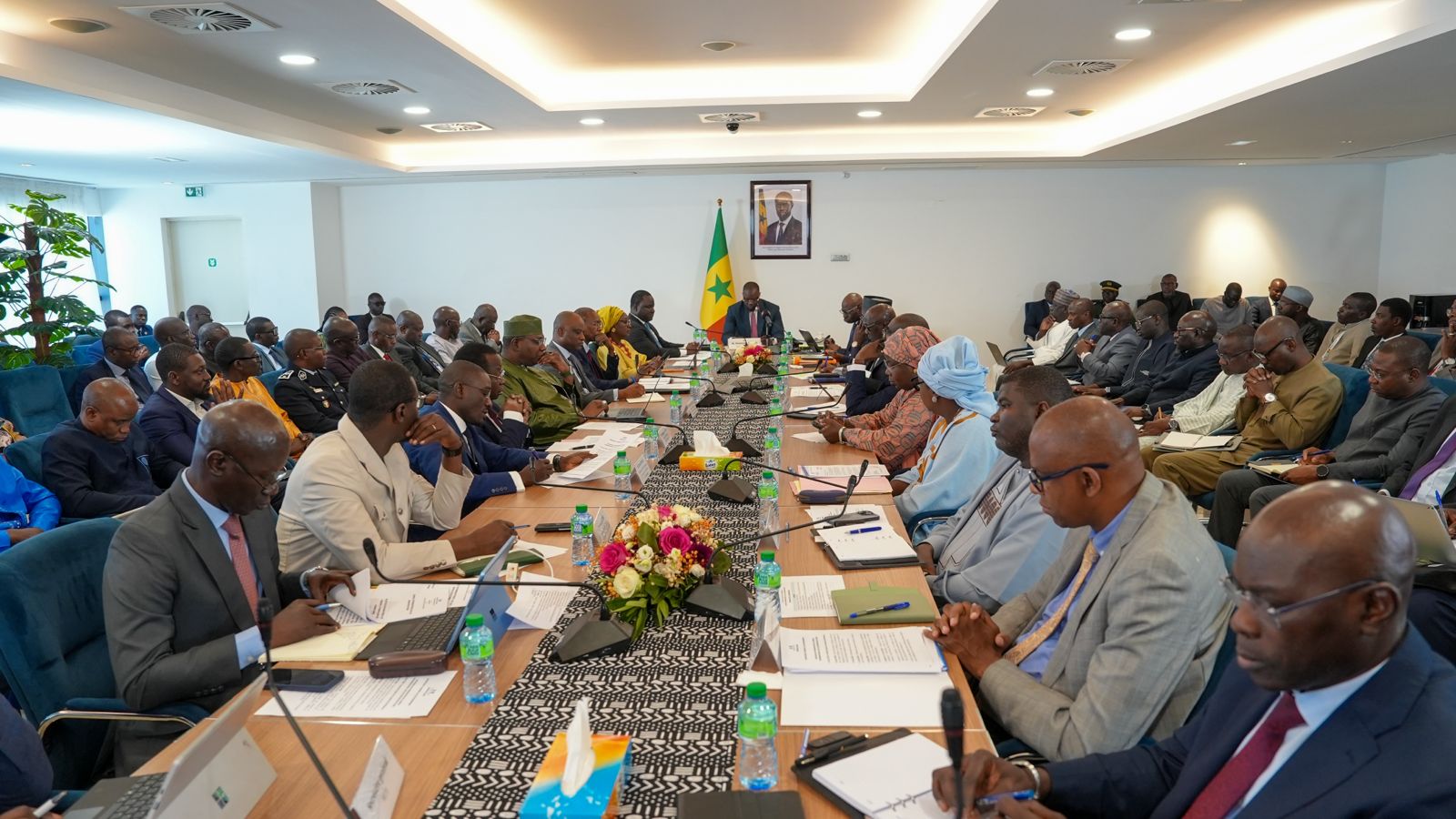
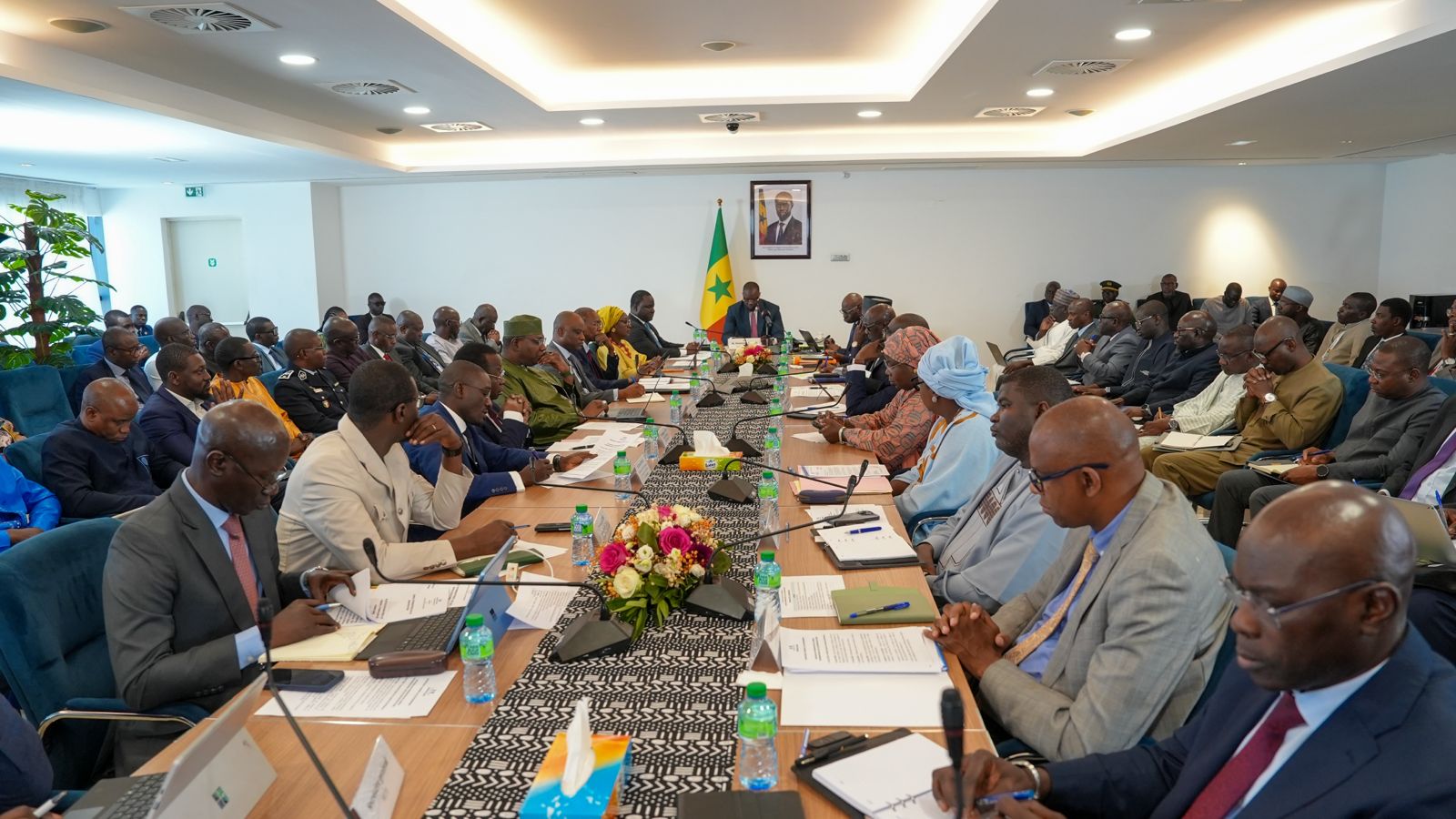
The Prime Minister of Senegal, Ousmane Sonko, chaired on Thursday, May 21, 2026, an inter-ministerial council focused on infrastructure at the Administrative Building President Mamadou Dia. Following an in-depth assessment, the government identified 245 public infrastructure projects and assets facing financial, legal, technical, or operational bottlenecks, with investments exceeding several trillion CFA francs.
The audit revealed that 30 completed infrastructures remain unused, including 25 currently stalled, representing a frozen investment of 279 billion CFA francs. Fifteen of these projects were classified as “high priority” due to their economic and strategic significance.
The government also documented 23 operational assets that could be recycled or enhanced, valued at 1,065 billion CFA francs. Additionally, 94 ongoing projects—62 of which are stalled—require a total investment of 5,227 billion CFA francs, with an additional 973 billion CFA francs needed to complete them.
The state’s real estate and land holdings were also scrutinized, with 97 properties identified, primarily in Dakar, valued at 132 billion CFA francs in the market.
In response to these findings, the Prime Minister announced measures to accelerate the completion, operationalization, or enhancement of these assets. Ousmane Sonko instructed the Secretary-General of the Government to establish an inclusive committee under his chairmanship, effective immediately. This task force will conduct weekly reviews and deliver an operational roadmap by June 30, 2026.
The committee’s responsibilities include proposing solutions for project completion, defining viable management and operational models, and identifying strategies for recycling and enhancing public assets.
The diagnostic report highlighted financial challenges as the primary obstacle. Among the stalled projects, 42 face funding gaps, payment delays, or insufficient investment credits. Other projects are hindered by technical constraints, legal disputes, or the absence of suitable operational models.
The Head of Government emphasized the “paradoxical situation” of completed yet unused infrastructures, some for several years. He attributed this to a lack of coordination among stakeholders, unresolved final inspections, or misalignment with actual needs.
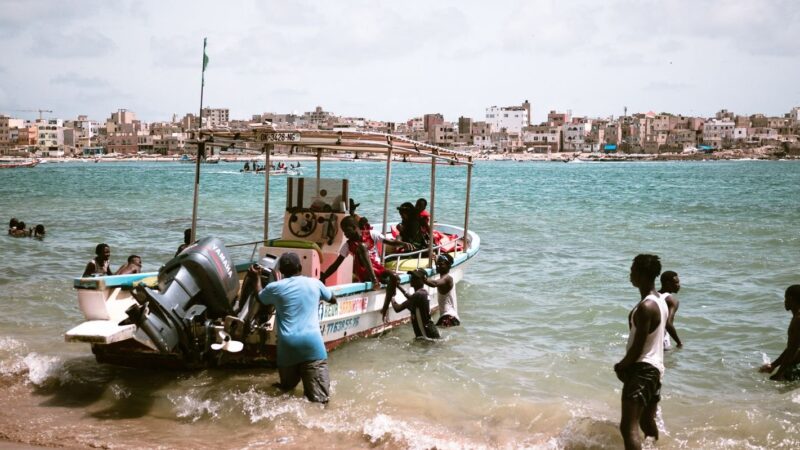
Several flagship projects were prioritized, including port and maritime infrastructures in Foundiougne, Soumbédioune, and Ndangane, Youth and Citizenship Centers across regions, the Naatangué ANIDA village farms, and agropoles in Mpal, Adéane, Dioulacoulon, and Mbellacadiao.
Key stalled projects identified by the government include the Sine-Saloum University, 45 Digital Open Spaces (ENO), regional airports in Saint-Louis, Matam, and Kolda, the Ndayane Port Container Terminal, the Le Joola Ship Memorial, and the Aristide Le Dantec Hospital.
The executive also plans to leverage public-private partnerships to optimize the use of several infrastructures, including national stadiums, parks, nature reserves, state-owned real estate, and diplomatic representations abroad.
Through this comprehensive audit and rationalization effort, the government aims to improve the efficiency of public investment, reduce dormant assets, and enhance the profitability of state-funded infrastructure.
live updates
tweets
The public, our reason for being.