Côte d’Ivoire advances education reform with national language policy
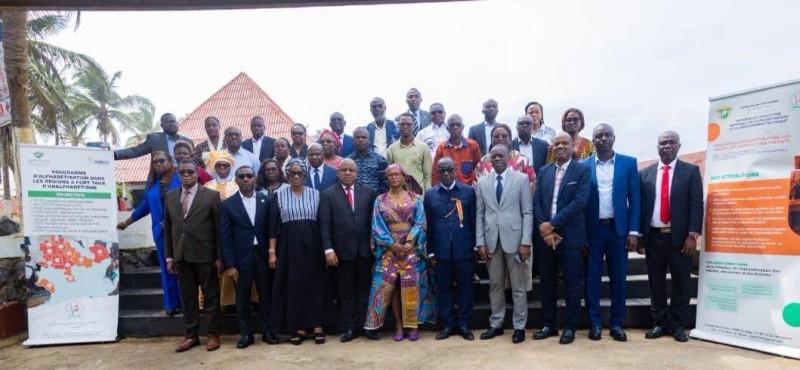
The Côte d’Ivoire is taking a decisive step toward modernizing its educational landscape by prioritizing the integration of national languages. From July 10 to 12, 2026, a landmark workshop was held in Grand-Bassam to unveil findings from field research and validate the draft National Language in Education Policy. The event, chaired by Minister of National Education, Literacy, and Technical Training N’Guessan Koffi, brought together educators, linguists, and development partners to refine a strategic framework for linguistic inclusion in schools.
At the opening session, Mah Louhan Mamadou, Director of Adult and Youth Literacy and Education (DAAJE), highlighted the transformative potential of national languages as both cultural treasures and educational tools. “The diversity of our languages is a strength we must harness to enhance learning outcomes,” he noted, emphasizing how linguistic preservation and educational reform can reinforce each other. His remarks underscored the government’s commitment to leveraging local languages to improve accessibility and relevance in classrooms.
Mabintou Diomandé Cherif, Inspector General and Secretary-General of the Inspection Générale, represented the minister during the workshop. In her address, she framed the policy as a response to urgent educational challenges—rising inequality, outdated pedagogical methods, and the need to prepare students for rapid technological and social changes. “Languages are not just tools of communication; they are bridges to knowledge,” she asserted, stressing that policies rooted in local languages can dismantle barriers to learning and foster greater inclusion.
The workshop’s conclusions are poised to shape a final policy document that will guide how national languages are taught and normalized within the Ivorian education system. By centering linguistic diversity, the initiative aims to boost student success, preserve cultural heritage, and align education with the realities of Ivorian society. As these reforms take shape, the government envisions a future where every child can learn in a language that resonates with their identity and community.