Congo senator warns africa about constitutional coups
Congo senator warns africa about constitutional coups
- Politics
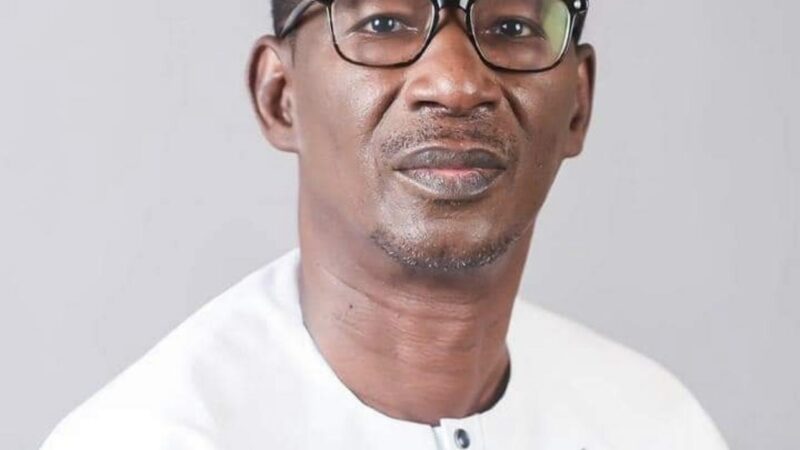
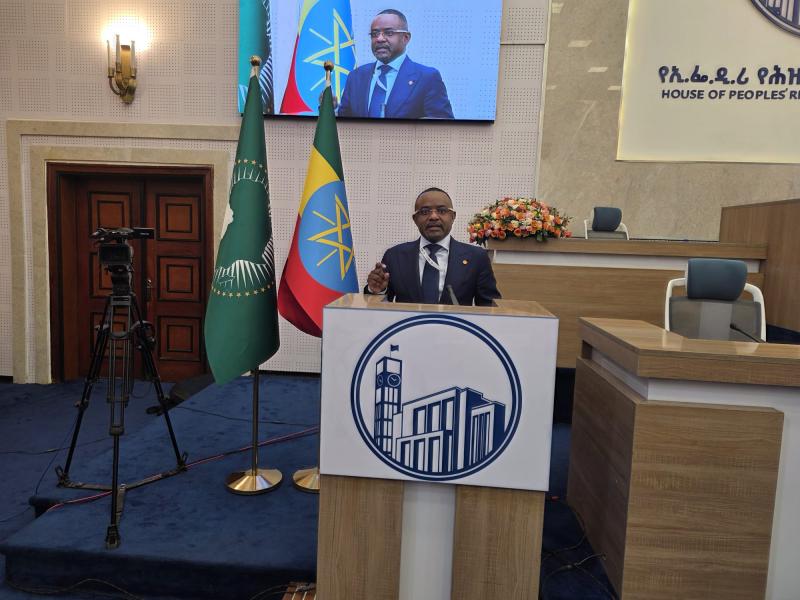
A sharp warning echoed through the chambers of the Ethiopian Parliament this past Friday. Senator Salomon Kalonda Idi Della of the Democratic Republic of the Congo delivered a fiery address at the Parliamentary Forum on Intelligence and Security, focusing on electoral integrity and democracy across Africa. Taking the DRC as a primary case study, the senator argued that ongoing constitutional changes in the country were designed to enable the current president to seek a third term, a move he deemed unconstitutional.
Kalonda highlighted the brutal suppression of citizen protests against these reforms. “The opposition and civil society rose up. Citizens took to the streets… Protesters were killed. More blood has been spilled on Congolese soil,” he stated. He condemned the perceived inaction of international partners, describing their response as “complicity rather than neutrality.”
Drawing a critical distinction, the senator contrasted the internationally condemned “military coup” with what he termed the “constitutional coup,” a more insidious form of power seizure. In his view, constitutional coups are cloaked in a veneer of legality, often involving rigged referendums and judiciaries aligned with the ruling power. “There are no good coups and bad coups,” he asserted, urging an end to the international community’s uneven treatment of these crises.
Kalonda also exposed structural flaws undermining elections across the continent. He cited the lack of independence in electoral commissions, the targeted disqualification of popular candidates by politicized courts, and deliberate internet shutdowns during result announcements—“an admission of distrust in the process”—as key issues. To combat these challenges, he proposed four solutions: establishing a permanent African electoral monitoring unit, investing in African digital electoral sovereignty, ensuring transparent and inclusive audits to build trust, and implementing a parliamentary pre-election observation protocol covering the entire electoral process, from voter registration to result proclamation.
The senator concluded by addressing the DRC’s mining sector, arguing that the absence of genuine democracy puts Western economic partners at a disadvantage against competitors who, he claimed, operate under different rules.