Friday, October 2

Analysis

Bénin tightens enforcement of minimum wage to protect workers’ rights
Analysis, Chronicle, News

Bénin tightens enforcement of minimum wage to protect workers’ rights

The Bénin Government has intensified its stance against businesses failing to comply with the national minimum wage, currently set at 52,000 FCFA. Despite legal obligations, numerous employers, particularly in small and informal sectors, persist in paying employees below this threshold, prompting authorities to urge workers to report violations to the National Social Security Fund (CNSS) and warning of severe penalties for non-compliant businesses. Wage violations persist despite legal framework Non-compliance with the guaranteed minimum wage remains widespread across Bénin. Even after the government raised the SMIG to 52,000 FCFA to bolster purchasing power for low-income workers, many employees—especially in micro-enterprises, small businesses, and informal sectors—continue to receive s...
Burkina Faso’s digital repression under Ibrahim Traoré’s regime
Analysis, Chronicle, News, Top Stories

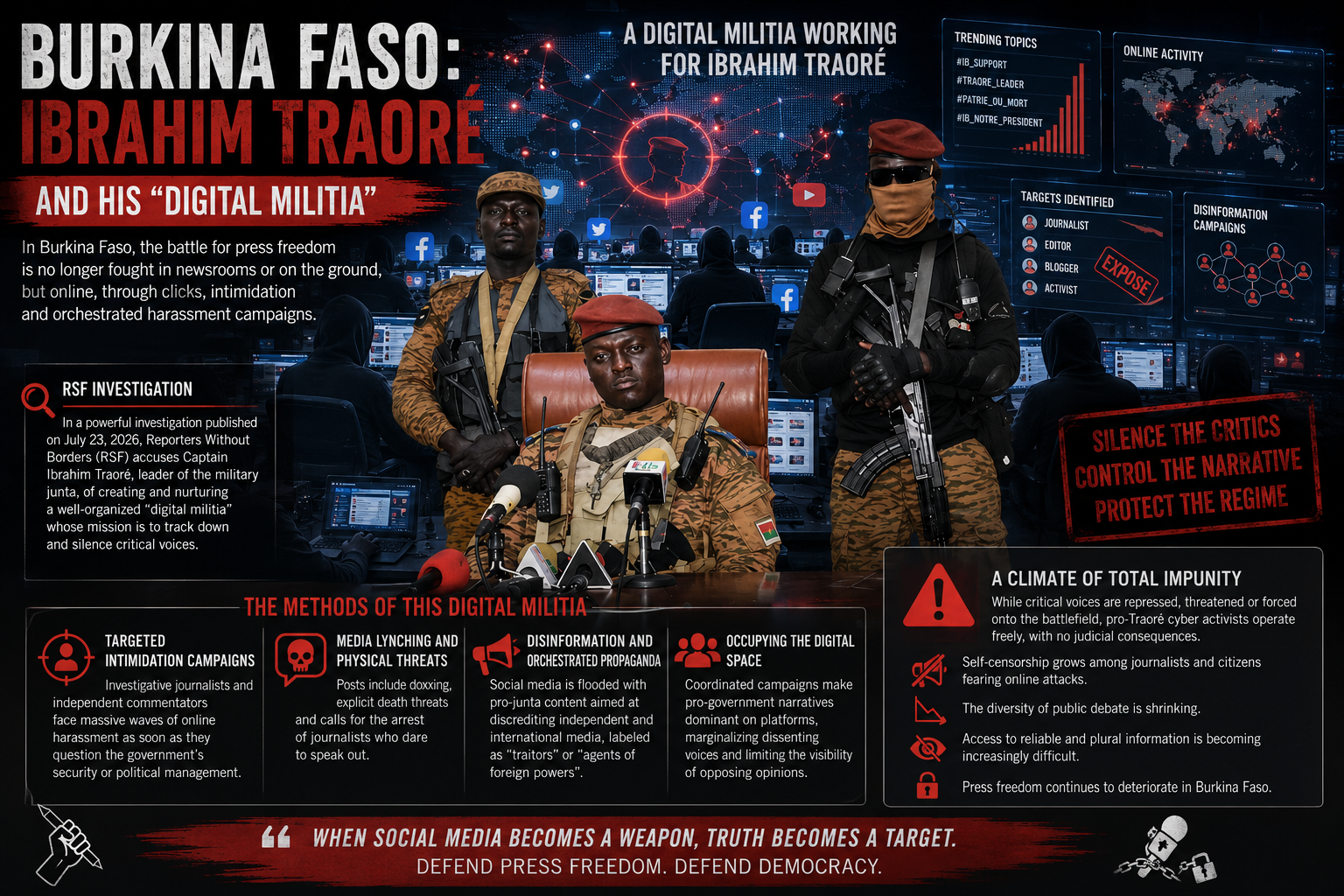
Burkina Faso’s digital repression under Ibrahim Traoré’s regime

Cyber warfare as a tool of political control The struggle for press freedom in Burkina Faso has shifted from newsrooms and streets to the digital battlefield, where dissent is silenced not with bullets, but with coordinated online campaigns. A recent investigation reveals how Captain Ibrahim Traoré, the military junta leader, has allegedly mobilized a sophisticated digital militia to suppress critical voices across social media platforms. Structured intimidation: the rise of the BIR-C At the core of this strategy lies the Bataillons d'Intervention Rapide de la Communication (BIR-C), a network of cyberactivists operating under a name reminiscent of elite military units. Unlike traditional dissent management, these operatives deploy tactics designed to dominate the digital public sphere and...
Burkina Faso: the perilous path of Ibrahim Traoré’s solitary leadership
Analysis, Chronicle, News

Burkina Faso: the perilous path of Ibrahim Traoré’s solitary leadership

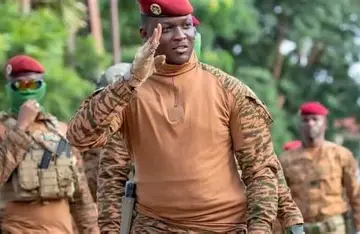
One of the oldest pitfalls in the annals of warfare and military coups is the tendency for newly installed leaders to mistake the potency of rhetoric for the realities of governance. This misconception often leads them to misinterpret the silence of a population—whether born of fear, uncertainty, or coercion—as unconditional endorsement. In Burkina Faso, this pattern appears increasingly evident. Beneath the carefully staged public appearances, the meticulously polished uniforms, and the repetitive denunciations of the so-called « treacherous West » alongside warnings against « anti-revolutionary » behavior, a different narrative is unfolding. The once-confident image of leadership is gradually giving way to one of a regime grappling with escalating internal fissures. The captain Ibrahim...
Power struggles within Burkina Faso’s military leadership
Analysis

Power struggles within Burkina Faso’s military leadership

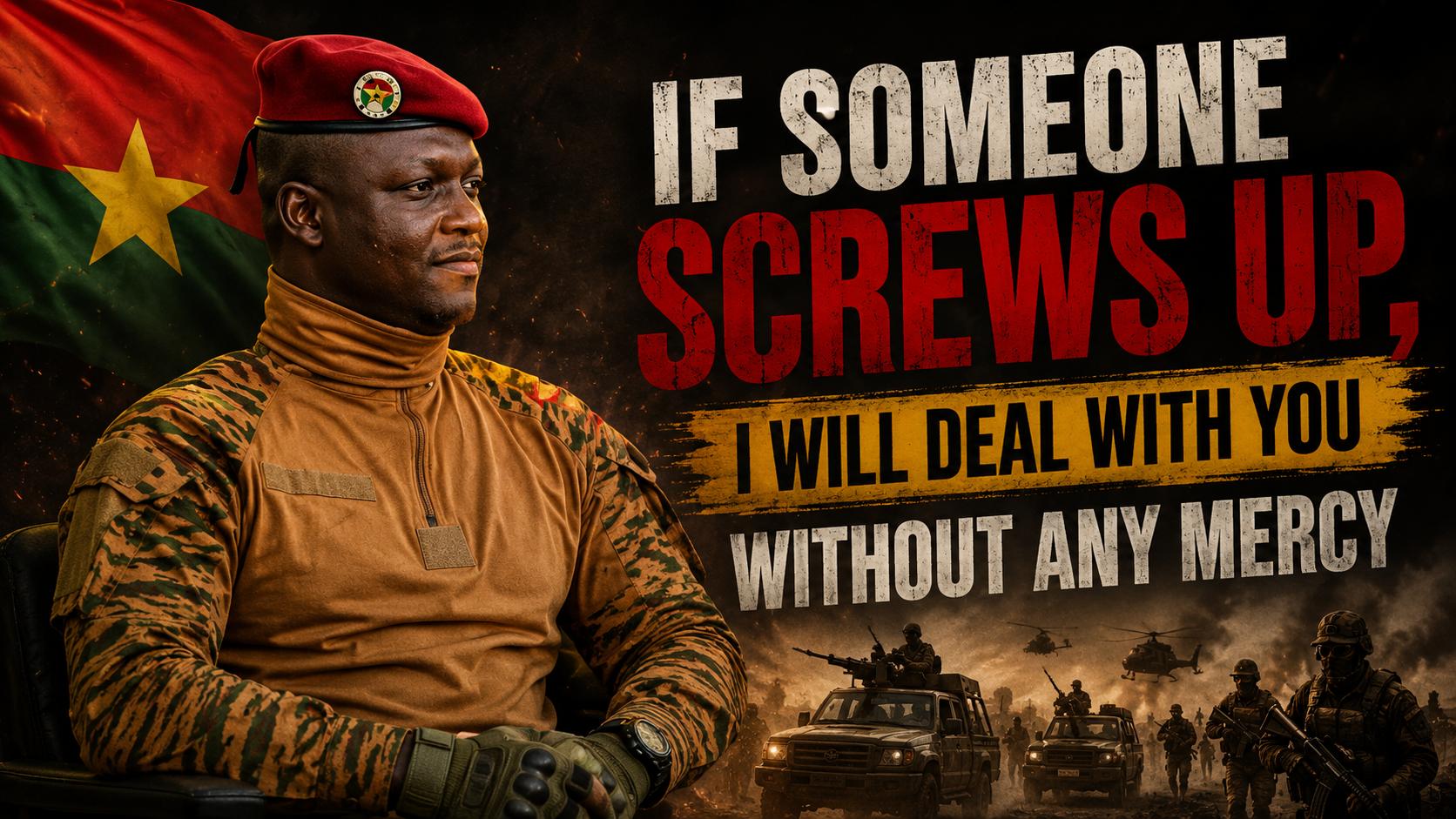
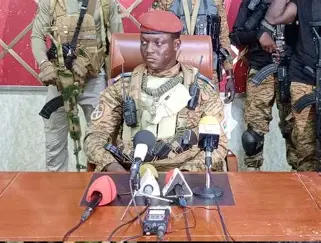
Beneath the bold declarations of Captain Ibrahim Traoré lies a simmering, yet undeniable, power struggle gripping Burkina Faso’s military and transitional government. His uncompromising stance—“If anyone messes up, I’ll crush them without hesitation”—reveals deep-rooted divisions and clandestine rivalries shaking the foundations of the nation’s leadership. The persistent whispers of internal destabilization and high-command disputes paint a picture of a fragile regime struggling to maintain cohesion. These tensions are not merely speculative; they reflect real fractures in Burkina Faso’s military structure, particularly in how security operations are managed and how authority is distributed among top commanders. Military fractures and command disputes Since the September 2022 coup that ...
Can 2032 bid raises questions as Burkina Faso, Mali and Niger grapple with insecurity
Analysis, Chronicle, News, Top Stories

Can 2032 bid raises questions as Burkina Faso, Mali and Niger grapple with insecurity

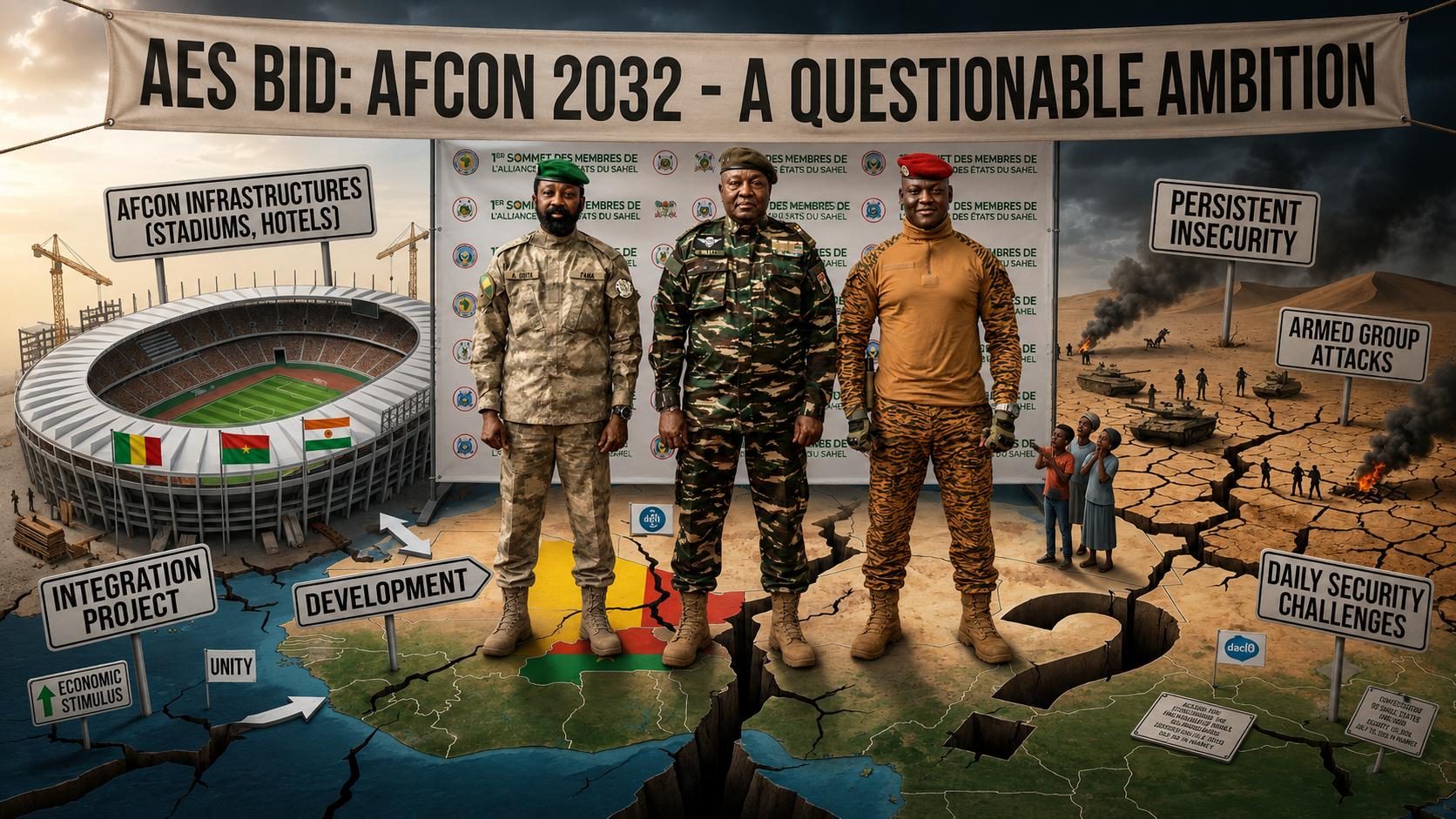
The governments of Burkina Faso, Mali, and Niger have jointly submitted a bid to host the 2032 Africa Cup of Nations (AFCON), positioning their candidacy as a testament to regional solidarity under the Alliance of Sahel States (AES). While the move is framed as a unifying gesture for West Africa, it has sparked a critical debate: can these nations, currently battling deep-rooted security crises, meet the stringent requirements of organizing Africa’s premier football tournament? security remains the elephant in the room The bid’s timing is particularly contentious. Since military-led administrations took power in all three countries following coups, restoring stability has been their stated top priority. Yet, despite these pledges, armed groups continue to inflict heavy tolls on civilians,...
Gaskindé attack: why has Burkina Faso’s government failed to deliver answers?
Analysis, News

Gaskindé attack: why has Burkina Faso’s government failed to deliver answers?

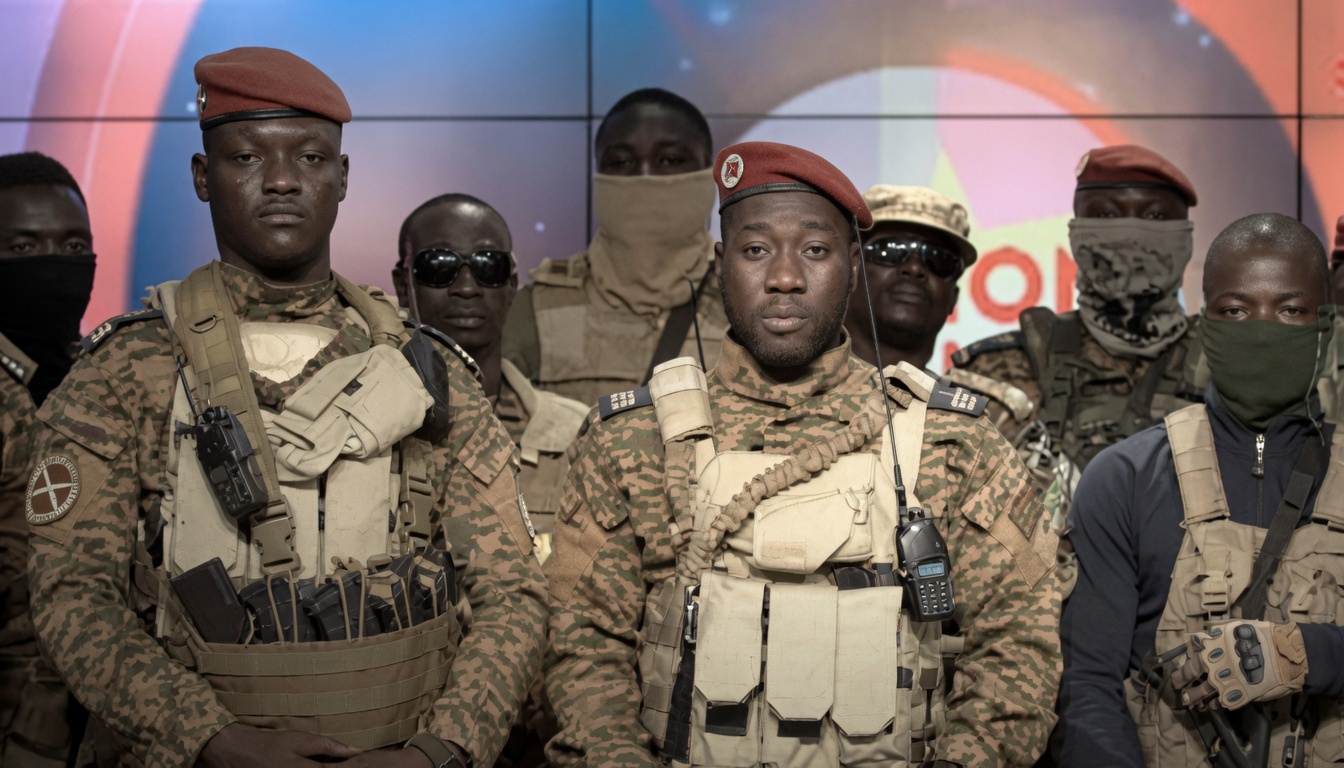
Gaskindé ambush: a pivotal moment in Burkina Faso's recent history The night of September 26, 2022, remains etched in Burkina Faso's collective memory. A military convoy, dispatched to relieve the besieged town of Djibo, was ambushed in the village of Gaskindé, located in the country's northern region. The assault, claimed by the Group for the Support of Islam and Muslims (GSIM), an Al-Qaeda affiliate, resulted in at least 37 fatalities—27 of them soldiers—and left dozens more injured. Beyond the immediate human toll, the attack sent shockwaves through the nation's political landscape. Just four days later, on September 30, 2022, Captain Ibrahim Traoré orchestrated a coup that toppled Lieutenant-Colonel Paul-Henri Sandaogo Damiba. The rapid succession of these events has since sparked per...
Mayo-tsanaga ravaged by boko haram: abandoned villages and state neglect
Analysis

Mayo-tsanaga ravaged by boko haram: abandoned villages and state neglect

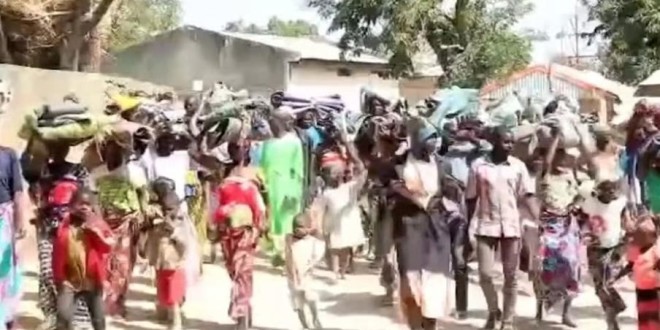
mayo-tsanaga ravaged by boko haram: abandoned villages and state neglect Over 50 villages deserted, thousands displaced, and the shameful absence of a state that turns a blind eye. Boko Haram’s terror is no longer a distant threat—it has taken root in the Mayo-Tsanaga region. Originating in Nigeria’s Borno State in the early 2000s, the militant group crossed borders by 2014. The first Cameroonian locality struck was Mount Gossi in Tourou, a village about 35 km from Mokolo. Since then, hundreds of Boko Haram fighters have occupied Mount Gossi in Tourou, escalating attacks to unprecedented levels. They burn, slaughter, loot, and kidnap. Schools, health centers, markets, places of worship, gendarmerie posts—no target is spared. A decade of violence has left villages emptied, populations ma...
Bénin 2027 budget prioritizes climate resilience and social inclusion
Analysis, News

Bénin 2027 budget prioritizes climate resilience and social inclusion

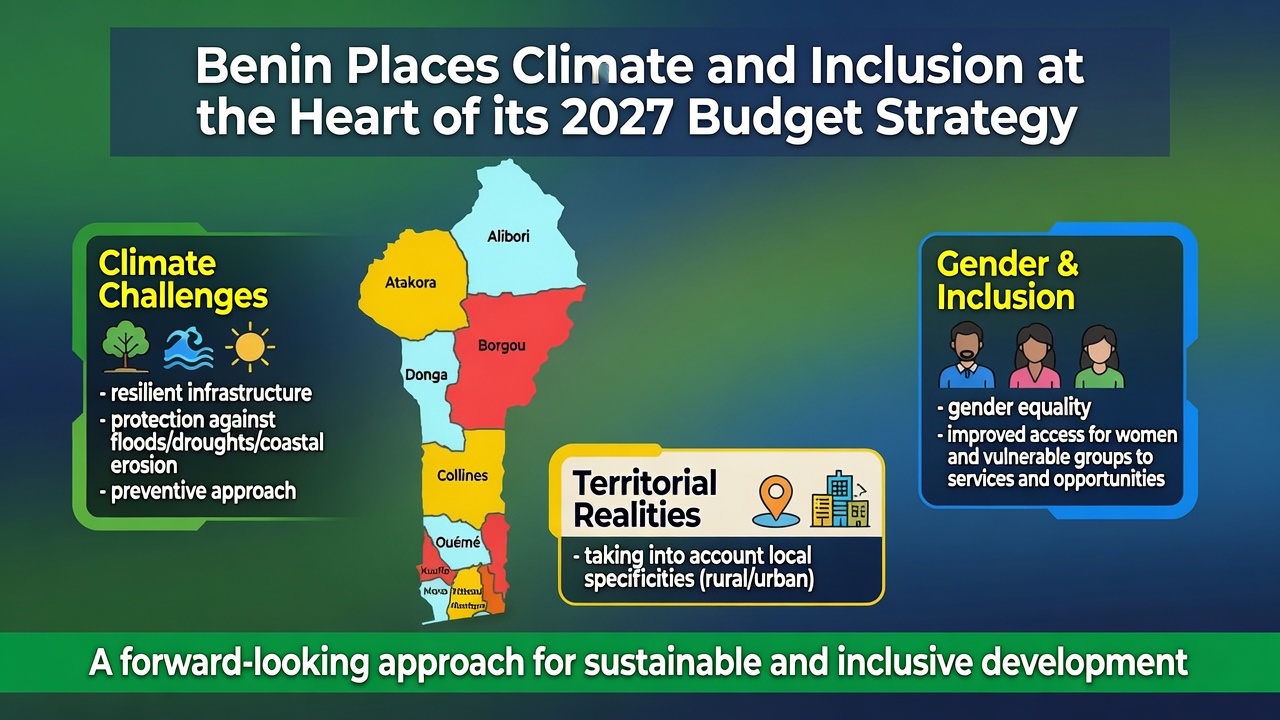
The Republic of Bénin is advancing its public policy modernization agenda with the 2027 budget framework, which places climate resilience, gender equality, and territorial realities at the core of fiscal planning. This strategic shift reflects a long-term vision where public investment becomes a catalyst for sustainable development rather than mere financial management. Strategic alignment with climate challenges In an era of escalating climate-related disasters and mounting pressure on natural resources, the new budgetary approach emphasizes proactive risk mitigation over reactive crisis management. The 2027 framework integrates climate considerations into fiscal decisions, directing investments toward resilient infrastructure, enhanced protection for vulnerable populations, and improved...
Burkina Faso: Ibrahim Traoré’s rise to power and the erosion of democratic norms
Analysis, Chronicle, News

Burkina Faso: Ibrahim Traoré’s rise to power and the erosion of democratic norms

The recent declarations by Captain Ibrahim Traoré, Burkina Faso’s transitional leader, have intensified discussions surrounding the legitimacy of his ascent to power and the broader political trajectory of the nation since the September 2022 coup d'état. Far from ambiguous, his words underscore a deliberate embrace of a non-constitutional transfer of authority, framing this rupture as a new political paradigm rather than an anomaly. From ballots to bullets: a troubling precedent Captain Traoré’s ascent to power did not follow the conventional path of electoral legitimacy. His rise was precipitated by a military takeover that ousted Lieutenant-Colonel Paul-Henri Sandaogo Damiba, who himself had seized control in a prior coup against President Roch Marc Christian Kaboré. This chain of unco...
Burkina Faso exports raw cotton to India amid industrialization delays
Analysis

Burkina Faso exports raw cotton to India amid industrialization delays

Facing challenges in transforming its own cotton production, Burkina Faso is actively seeking alternative markets. The transitional authorities have announced plans to strengthen trade ties with India, aiming to reduce reliance on traditional buyers of its 'white gold.' While this diplomatic move is framed as a success, it underscores a persistent issue: the country’s inability to break free from its role as a mere supplier of unprocessed raw materials. Diversifying buyers, yet clinging to outdated economic models By exploring new trade partnerships with New Delhi, Ouagadougou hopes to mitigate its heavy dependence on China, the primary importer of its raw cotton. However, this shift in alliances does little to address the underlying problem—the nation’s reliance on exporting over 90% of ...
Togo’s unanswered questions about foreign military presence
Analysis, Chronicle, News

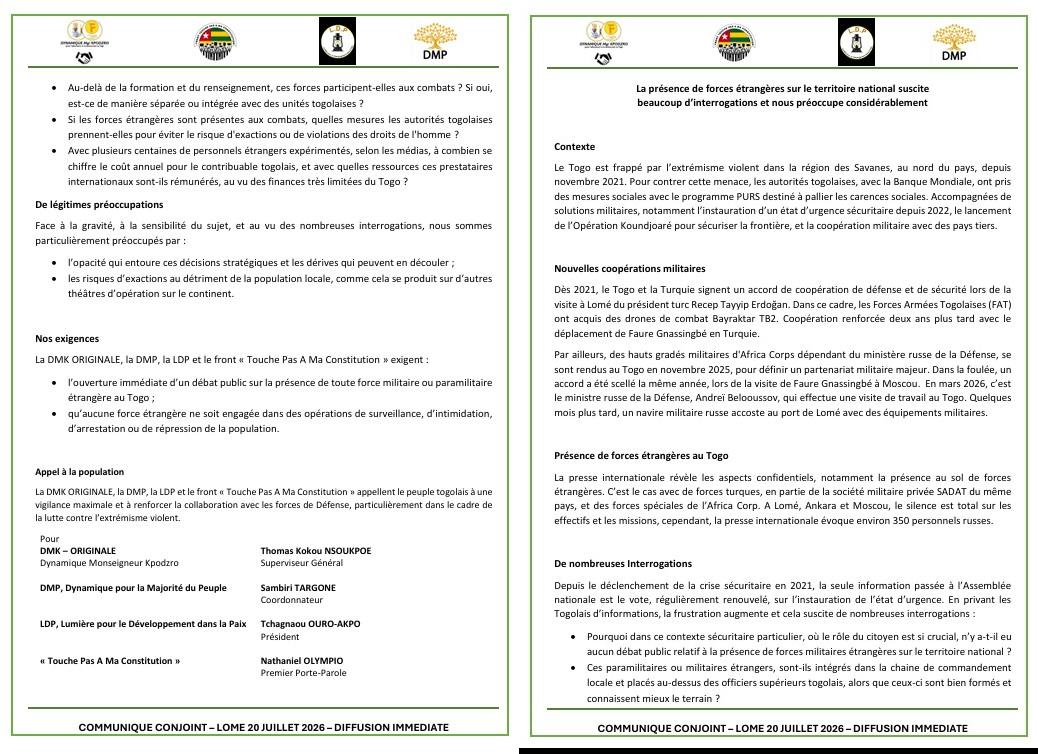
Togo’s unanswered questions about foreign military presence

The secrecy surrounding national defense matters is a common practice in most democratic nations. Military operations, intelligence activities, and strategic partnerships are often shielded from public view. However, when secrecy becomes the norm rather than the exception, it risks breeding doubt rather than fostering trust. Unverified claims and growing suspicions In Togo, reports—though unverified—have emerged regarding the presence of foreign military personnel on national soil. Observers suggest that personnel from Russia and Turkey may be involved, though no official confirmation has been provided. If these claims hold merit, they raise critical questions that demand clear answers from the government. Security or self-preservation? The opacity surrounding these foreign forces has fu...
Burkina Faso’s lost security: past stability vs. present turmoil
Analysis, Chronicle, News, Top Stories

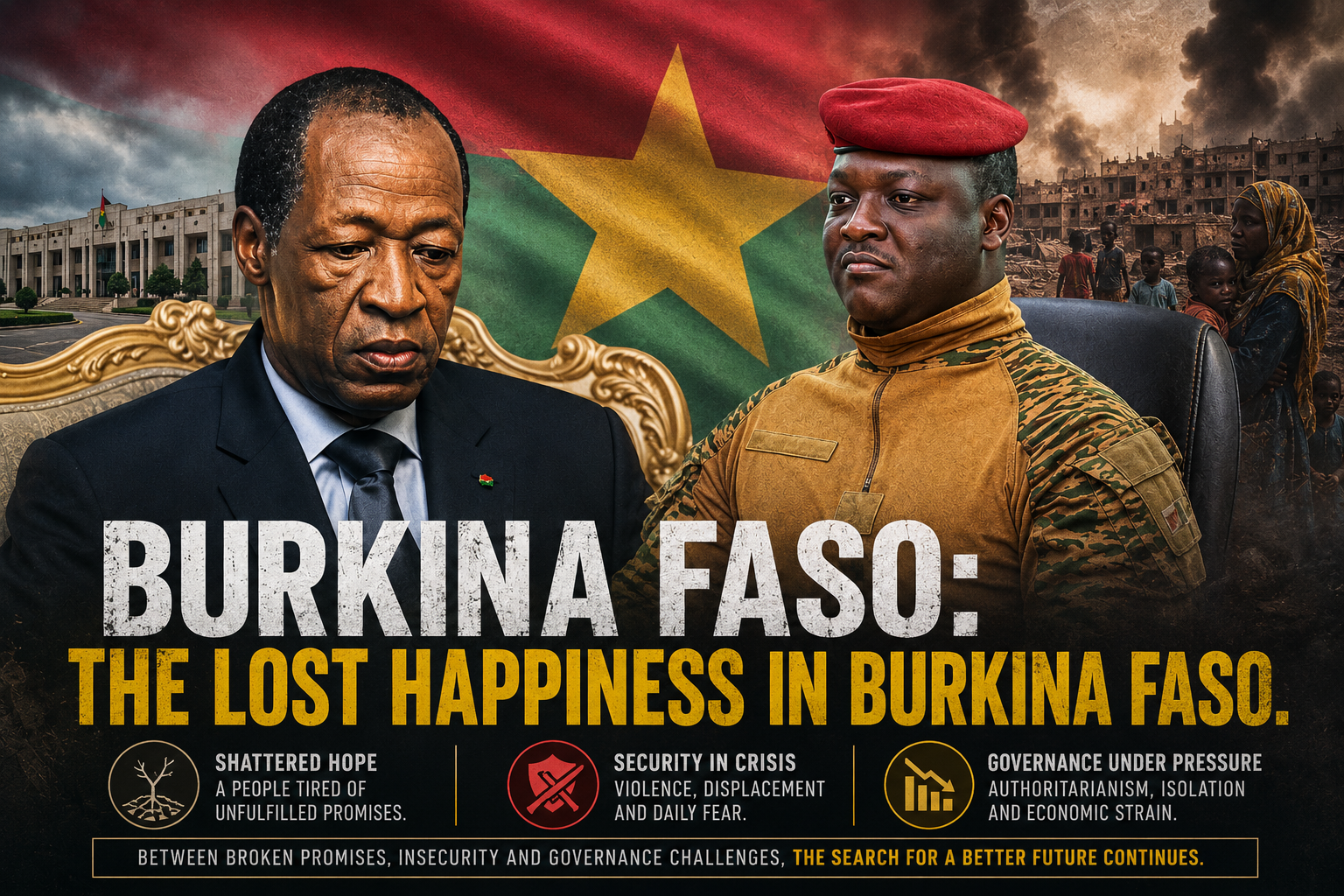
Burkina Faso’s lost security: past stability vs. present turmoil

The Burkina Faso of yesterday was known more for its stability than for the crises that now define its reputation. This stability, however, was far from flawless. Blaise Compaoré faced persistent criticism for consolidating power, restricting political pluralism, and undermining democratic transitions. For nearly three decades, his regime remained a subject of contention among opposition factions and international observers alike. Yet today, a pressing question looms over the nation: what purpose does political debate serve when citizens no longer feel safe in their own homes? This dilemma weighs heavily on the minds of many Burkinabè, who reflect on the relative security of Compaoré’s era compared to the challenges under Captain Ibrahim Traoré. Security as the foundation of governance D...