Saturday, November 21

Analysis

Mayo-tsanaga ravaged by boko haram: abandoned villages and state neglect
Analysis

Mayo-tsanaga ravaged by boko haram: abandoned villages and state neglect

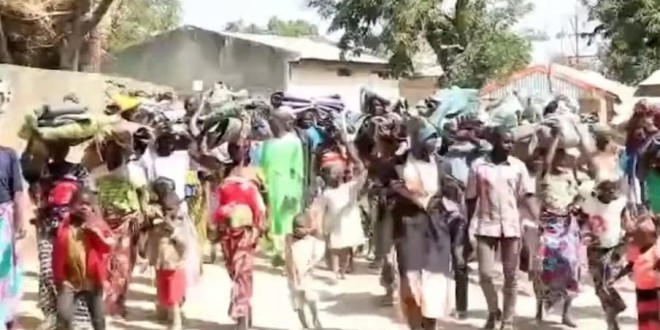
mayo-tsanaga ravaged by boko haram: abandoned villages and state neglect Over 50 villages deserted, thousands displaced, and the shameful absence of a state that turns a blind eye. Boko Haram’s terror is no longer a distant threat—it has taken root in the Mayo-Tsanaga region. Originating in Nigeria’s Borno State in the early 2000s, the militant group crossed borders by 2014. The first Cameroonian locality struck was Mount Gossi in Tourou, a village about 35 km from Mokolo. Since then, hundreds of Boko Haram fighters have occupied Mount Gossi in Tourou, escalating attacks to unprecedented levels. They burn, slaughter, loot, and kidnap. Schools, health centers, markets, places of worship, gendarmerie posts—no target is spared. A decade of violence has left villages emptied, populations ma...
Bénin 2027 budget prioritizes climate resilience and social inclusion
Analysis, News

Bénin 2027 budget prioritizes climate resilience and social inclusion

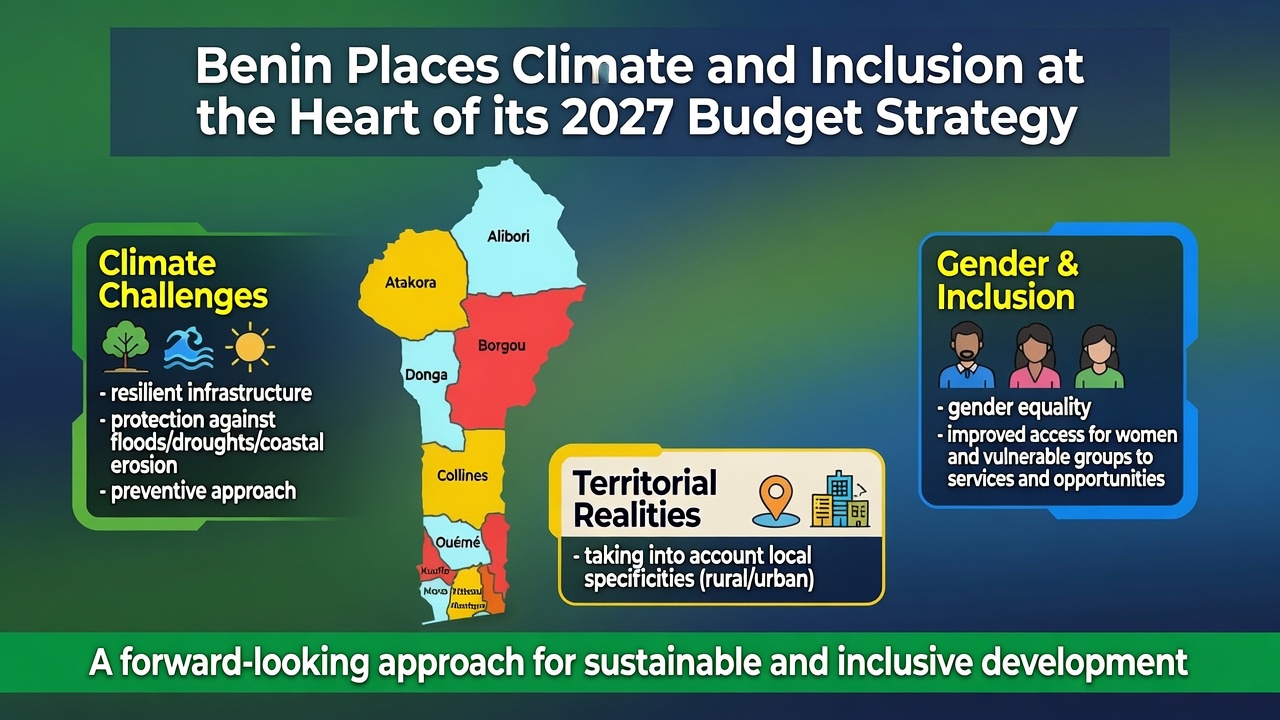
The Republic of Bénin is advancing its public policy modernization agenda with the 2027 budget framework, which places climate resilience, gender equality, and territorial realities at the core of fiscal planning. This strategic shift reflects a long-term vision where public investment becomes a catalyst for sustainable development rather than mere financial management. Strategic alignment with climate challenges In an era of escalating climate-related disasters and mounting pressure on natural resources, the new budgetary approach emphasizes proactive risk mitigation over reactive crisis management. The 2027 framework integrates climate considerations into fiscal decisions, directing investments toward resilient infrastructure, enhanced protection for vulnerable populations, and improved...
Burkina Faso: Ibrahim Traoré’s rise to power and the erosion of democratic norms
Analysis, Chronicle, News

Burkina Faso: Ibrahim Traoré’s rise to power and the erosion of democratic norms

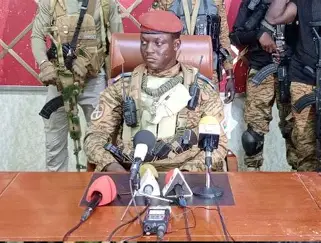
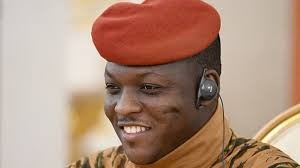
The recent declarations by Captain Ibrahim Traoré, Burkina Faso’s transitional leader, have intensified discussions surrounding the legitimacy of his ascent to power and the broader political trajectory of the nation since the September 2022 coup d'état. Far from ambiguous, his words underscore a deliberate embrace of a non-constitutional transfer of authority, framing this rupture as a new political paradigm rather than an anomaly. From ballots to bullets: a troubling precedent Captain Traoré’s ascent to power did not follow the conventional path of electoral legitimacy. His rise was precipitated by a military takeover that ousted Lieutenant-Colonel Paul-Henri Sandaogo Damiba, who himself had seized control in a prior coup against President Roch Marc Christian Kaboré. This chain of unco...
Burkina Faso exports raw cotton to India amid industrialization delays
Analysis

Burkina Faso exports raw cotton to India amid industrialization delays

Facing challenges in transforming its own cotton production, Burkina Faso is actively seeking alternative markets. The transitional authorities have announced plans to strengthen trade ties with India, aiming to reduce reliance on traditional buyers of its 'white gold.' While this diplomatic move is framed as a success, it underscores a persistent issue: the country’s inability to break free from its role as a mere supplier of unprocessed raw materials. Diversifying buyers, yet clinging to outdated economic models By exploring new trade partnerships with New Delhi, Ouagadougou hopes to mitigate its heavy dependence on China, the primary importer of its raw cotton. However, this shift in alliances does little to address the underlying problem—the nation’s reliance on exporting over 90% of ...
Togo’s unanswered questions about foreign military presence
Analysis, Chronicle, News

Togo’s unanswered questions about foreign military presence

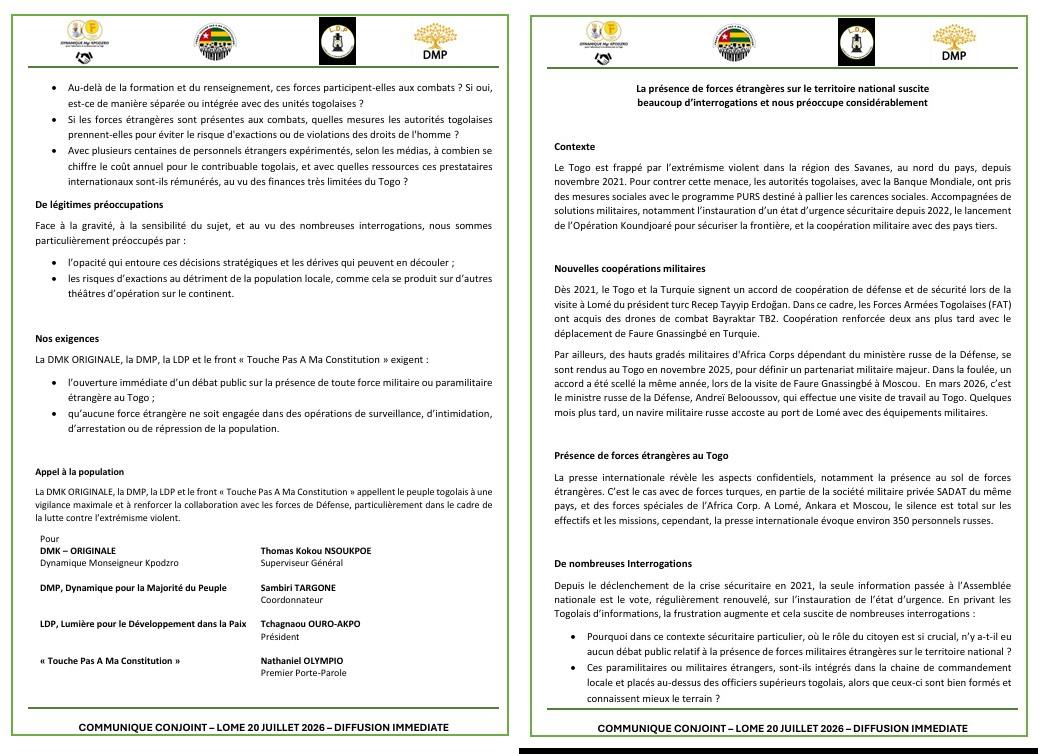
The secrecy surrounding national defense matters is a common practice in most democratic nations. Military operations, intelligence activities, and strategic partnerships are often shielded from public view. However, when secrecy becomes the norm rather than the exception, it risks breeding doubt rather than fostering trust. Unverified claims and growing suspicions In Togo, reports—though unverified—have emerged regarding the presence of foreign military personnel on national soil. Observers suggest that personnel from Russia and Turkey may be involved, though no official confirmation has been provided. If these claims hold merit, they raise critical questions that demand clear answers from the government. Security or self-preservation? The opacity surrounding these foreign forces has fu...
Burkina Faso’s lost security: past stability vs. present turmoil
Analysis, Chronicle, News, Top Stories

Burkina Faso’s lost security: past stability vs. present turmoil

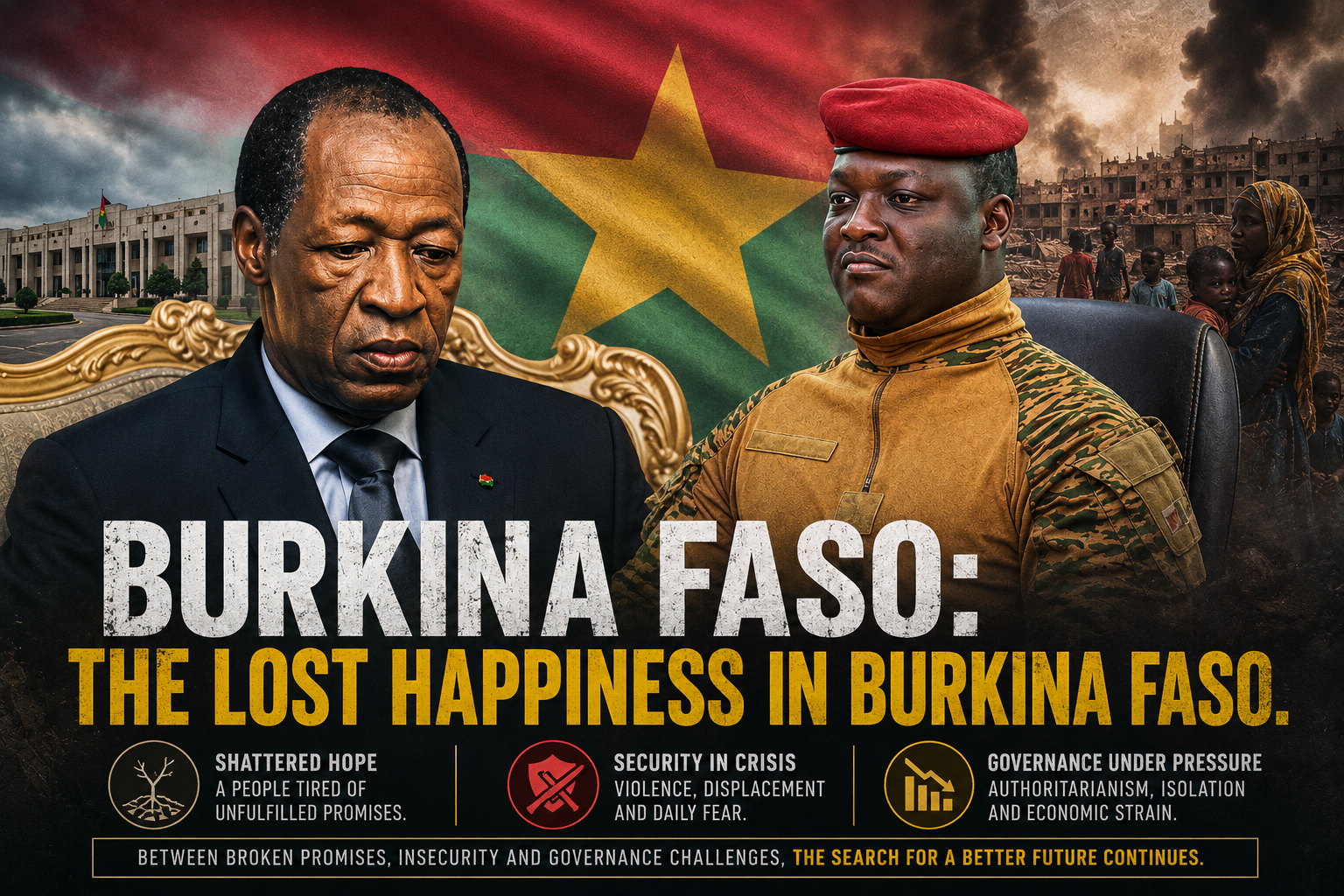
The Burkina Faso of yesterday was known more for its stability than for the crises that now define its reputation. This stability, however, was far from flawless. Blaise Compaoré faced persistent criticism for consolidating power, restricting political pluralism, and undermining democratic transitions. For nearly three decades, his regime remained a subject of contention among opposition factions and international observers alike. Yet today, a pressing question looms over the nation: what purpose does political debate serve when citizens no longer feel safe in their own homes? This dilemma weighs heavily on the minds of many Burkinabè, who reflect on the relative security of Compaoré’s era compared to the challenges under Captain Ibrahim Traoré. Security as the foundation of governance D...
Senegal debt challenges clash with election cycles
Analysis

Senegal debt challenges clash with election cycles

The Senegalese public debt crisis has evolved beyond a simple numerical challenge, now representing a critical political dilemma. While financial markets operate on multi-decade timelines, Senegal’s electoral mandates span just five years. This fundamental disconnect lies at the heart of Ndèye Nangho Dioum’s analysis—a tax inspector who reframes the debate to highlight how leaders must make unpopular decisions to secure long-term fiscal stability. The discussion begins with a reference to Bill Clinton’s famous assertion that all presidents eventually face painful compromises, hoping political winds will shift favorably. This framing isn’t coincidental—it encapsulates the Senegalese government’s predicament: balancing fiscal austerity with social expectations in a nation where citizen dema...
Mali attack leaves 50 soldiers dead amid Africa corps support questions
Analysis, Chronicle, News

Mali attack leaves 50 soldiers dead amid Africa corps support questions

A devastating assault in northern Mali has claimed the lives of at least 50 soldiers, according to multiple verified reports. The attack, carried out by separatist fighters collaborating with jihadist factions, underscores the relentless deterioration of security across the region. Questions raised over Africa Corps' strategic value The latest violence has reignited scrutiny over the effectiveness of the military support Mali receives. Since the deployment of Africa Corps—hailed by officials as a game-changing partner capable of delivering decisive military expertise—expectations were high. Yet, deadly attacks persist, and the Malian armed forces continue to suffer heavy losses. This persistent insecurity has fueled skepticism among analysts, who question the true scope of Africa Corps'...
Burkina Faso : Quand le populisme est mis en avant, les résultats attendus par la population restent en attente.
Analysis, News

Burkina Faso : Quand le populisme est mis en avant, les résultats attendus par la population restent en attente.

Les images diffusées à l'occasion du séjour du capitaine Ibrahim Traoré dans la région du Yaadga montrent un accueil chaleureux, marqué par des scènes de liesse populaire à son arrivée comme à son départ. Pour les soutiens du chef de l'État, ces rassemblements seraient la preuve d'une adhésion massive à sa gouvernance. Pourtant, réduire le bilan d'un dirigeant à la popularité apparente de ses déplacements relève davantage de la communication politique que d'une évaluation objective de son action. Dans tout pays, il est courant que des responsables politiques bénéficient d'accueils enthousiastes lors de leurs visites officielles. Ces images, aussi spectaculaires soient-elles, ne constituent cependant pas un indicateur fiable de la qualité d'une gouvernance. Ce sont les politiques publiques...
Un sanctions against Corneille naanga: what the impact could be
Analysis

Un sanctions against Corneille naanga: what the impact could be

Conflict resolutionDemocratic Republic of the Congo UN sanctions against Corneille Naanga: assessing the real impact Civil society voices concerns over enforcement of UN sanctions targeting the AFC/M23 rebel leader and other armed group commanders in eastern DRC The United Nations Security Council has imposed sanctions on Corneille Naanga, coordinator of the rebel movement AFC/M23, along with several other commanders from armed factions operating in eastern Democratic Republic of the Congo. The move comes as the country holds the rotating presidency of the UN Security Council for July. In addition to Naanga, the sanctions target John Imani Nzenze (AFC/M23 intelligence chief), Charles Sematama (military leader of the Twirwaneho armed group), Gustave Kubwayo (FDLR commander), ...
Burkina Faso under Ibrahim Traoré: a promised paradise overshadowed by stark realities
Analysis, News

Burkina Faso under Ibrahim Traoré: a promised paradise overshadowed by stark realities

Since assuming leadership, Captain Ibrahim Traoré has presented a narrative of Burkina Faso’s transformation into a progressive and thriving nation. State-controlled media has amplified this vision, portraying the country as an eldorado under his guidance. Yet, beyond the rhetoric of a populist revolution and accelerated industrialization, the lived experiences of many Burkinabè reveal a far more complex reality marked by persistent insecurity, economic hardship, and unmet expectations. Promises versus tangible progress The president’s agenda has been framed around bold commitments: national renewal, rapid industrial growth, and the total recapture of national territory. While isolated infrastructure projects have been initiated, their impact remains localized and insufficient to substant...
Victim mentality and political strategy in Russia and Sahel states
Analysis, News

Victim mentality and political strategy in Russia and Sahel states

The governments of Russia and the Alliance of Sahel States (AES) have increasingly relied on a recurring political strategy: portraying themselves as perpetual victims while positioning their critics as conspirators. This tactic, which has become a hallmark of their communication, involves attributing any opposition or scrutiny to external interference, foreign agendas, or orchestrated campaigns of misinformation. Yet, this approach reveals a striking contradiction—when these same regimes face criticism themselves, they promptly abandon their accusatory stance to adopt the mantle of the oppressed. a deliberate strategy to evade accountability This dual narrative serves a clear political purpose. By framing every challenge to their authority as part of a coordinated assault, leaders in Mos...