Burkina Faso: decisive shifts in power amid Traoré’s tightening grip
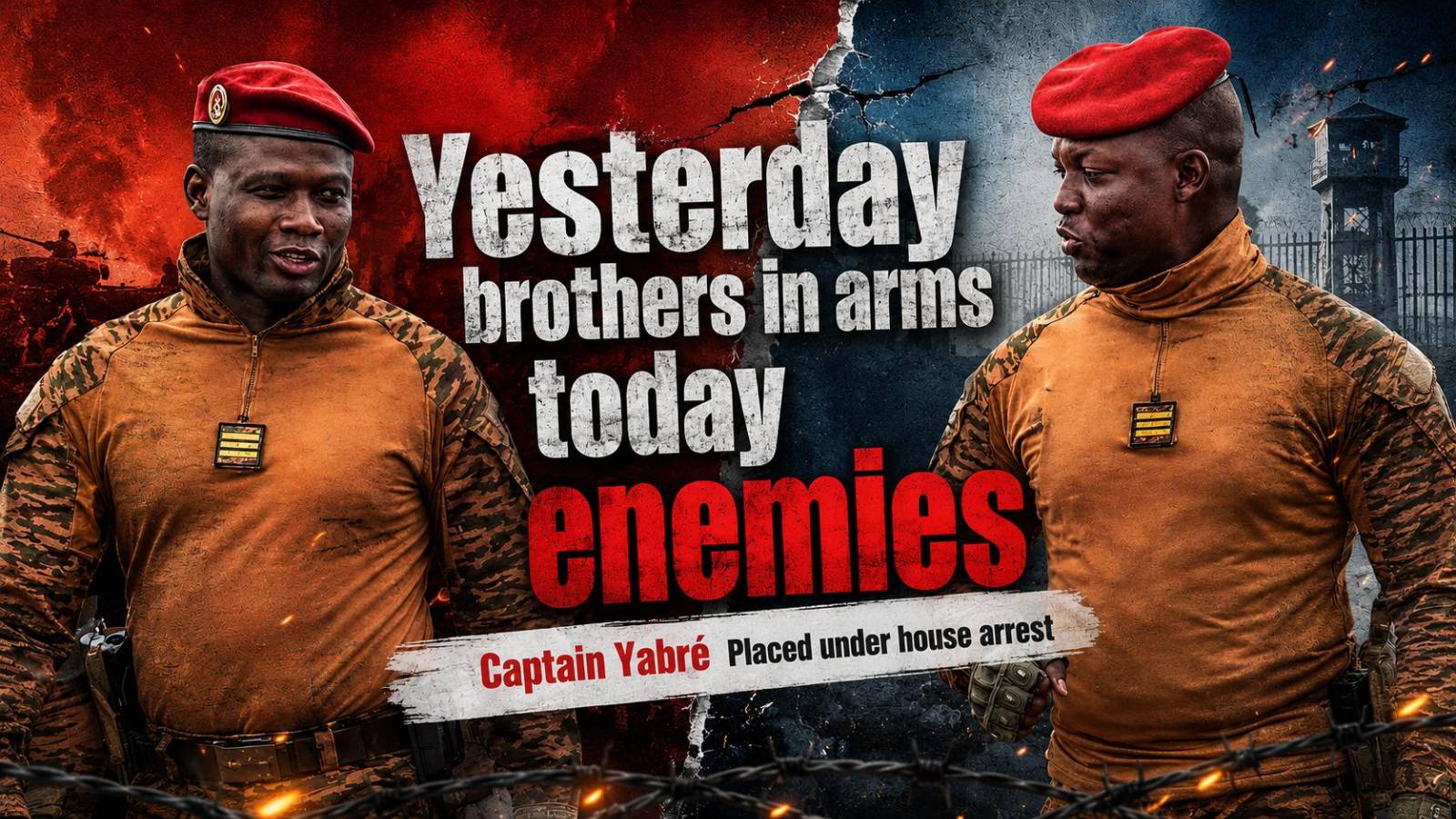
The Traoré regime under scrutiny: a descent into repression
Under the leadership of Captain Ibrahim Traoré, Burkina Faso’s transitional authorities appear to have crossed a critical threshold. Once hailed by supporters as a reformist leader, the junta chief now presides over an increasingly autocratic system intolerant of dissent—whether from civil society, religious institutions, or even his own military inner circle. Tensions have reached a fever pitch in Ouagadougou, where recent developments during Eid al-Adha have heightened fears of an imminent power collapse.
Eid al-Adha: a holy period overshadowed by state repression
The sacred holiday, traditionally a time of unity and reflection, has instead laid bare the regime’s growing desperation. Security forces have escalated their crackdowns on dissent, signaling a dangerous shift from governance to outright control.
Arrest of a prominent imam sparks outrage
The detention of a widely respected religious figure during Eid al-Adha has sent shockwaves through a population already stretched to its limits. The move, widely condemned as a violation of religious freedom, underscores the regime’s willingness to target even the moral pillars of society to suppress dissent.
Forced conscription and ‘re-education’ camps
Concurrently, protesters and critics have been forcibly transferred to military-run facilities or deployed to combat zones. This militarization of punishment reflects the state’s transformation into a coercive apparatus devoid of legal or ethical constraints.
Internal fractures: the Oumarou Yabré case exposes deep divisions
The recent news of Oumarou Yabré, head of Burkina Faso’s National Intelligence Agency (ANR), being placed under house arrest has sent ripples through diplomatic and security circles. While official channels remain silent, reports indicate a growing rift within the highest echelons of power.
On one side stands Captain Ibrahim Traoré, who now seeks absolute control over the state apparatus, growing increasingly suspicious of even his closest allies. On the other, Oumarou Yabré—once a key architect of the junta’s security strategy and a facilitator of external alliances—is now accused of harboring dissenting views or resisting the regime’s reliance on foreign partners.
This internal purge reveals the depth of Traoré’s paranoia. By targeting those who helped build his security infrastructure and enabled the expansion of foreign influence in Burkina Faso, he risks dismantling his own foundations.
Will the junta’s infighting lead to its downfall?
Analysts have long warned of simmering tensions within the transitional government. The struggle for dominance over state institutions, compounded by relentless pressure from armed extremist groups, has created a volatile environment in Ouagadougou.
By alienating the public, religious leaders, and now his own military allies, Captain Traoré is dangerously isolating himself. Regional history shows that regimes sustained solely by fear and internal purges are unlikely to endure. With tensions escalating, the coming days could prove decisive for Burkina Faso’s future.