Benin’s strategic agricultural finance: diversifying partners with the islamic development bank
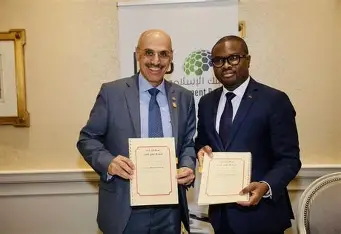
Benin marks a significant stride in its pursuit of food sovereignty. The Islamic Development Bank (IDB) has recently disbursed a substantial sum of 12.57 billion FCFA, earmarked for the modernization of the nation’s agricultural sector. This extensive financing initiative primarily focuses on the restoration of soil fertility, a critical imperative as the country grapples with the full force of climate disruptions.
Beyond the sheer monetary value, the selection of the IDB as a partner reflects a deliberate geopolitical and financial strategy. By engaging with the IDB, Porto-Novo is consciously broadening its base of financial partners. This approach aims to mitigate Benin’s historical reliance on traditional Bretton Woods institutions and Western bond markets, where current interest rates have become notably prohibitive. Islamic finance, characterized by its risk-sharing principles and asset-backed structures, emerges as a well-suited instrument for the long-term financing of infrastructure projects in this context.
From an economic standpoint, this choice is fundamentally pragmatic. Investing in the resilience of agricultural lands transcends mere ecological consideration; it is an economic imperative to safeguard the Gross Domestic Product (GDP). By equipping crops to withstand periods of drought and inundation, the Beninese government preempts the need for future emergency foreign currency imports. Ultimately, this strategy serves as a direct means to fortify the nation’s trade balance and ensure its enduring autonomy.