Benin’s patient thaw with Sahel opens new diplomatic doors
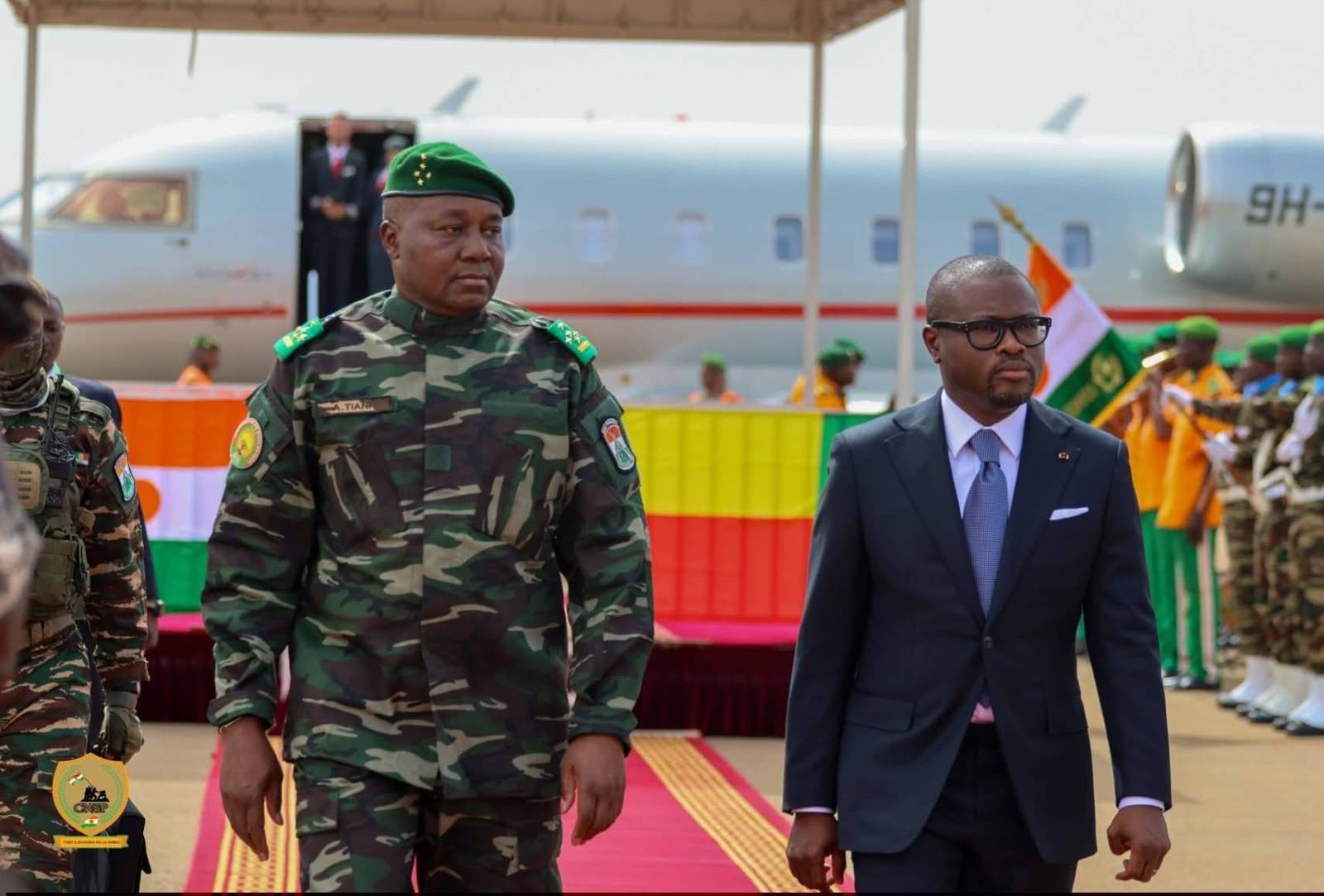
The deepening crisis that erupted in the wake of July 2023’s military takeover in Niger has cast a long shadow over the Bénin-Niger relationship. The abrupt closure of borders and the exchange of harsh accusations between Niamey and Cotonou created an atmosphere of mutual distrust. Yet beneath the surface tensions, a more complex narrative has emerged: Bénin has consistently pursued reconciliation, undeterred by the rigid stance of the Alliance of Sahel States (AES). The landmark state visit of Bénin’s newly elected President, Romuald Wadagni, to Niamey marks the culmination of this patient diplomacy and signals a decisive shift toward de-escalation.
a subtle yet steady diplomacy of goodwill
Despite the escalating crisis, Bénin took early steps to ease tensions and restore economic and political ties.
- Early economic gestures: By late 2023, Bénin had already lifted restrictions on the transit of goods destined for Niger through the Port of Cotonou. This move aimed to reactivate the landlocked nation’s lifeline, even as Niamey maintained its own border closures under the pretext of security concerns.
- High-level mediation efforts: Bénin’s leadership facilitated discreet but influential diplomatic missions, including visits by former presidents Nicéphore Soglo and Thomas Boni Yayi to Niamey in mid-2024. These efforts underscored a commitment to dialogue that transcended political divisions.
- Preservation of critical infrastructure: Amidst rising tensions, Bénin remained steadfast in protecting the WAPCO crude oil pipeline—a vital technical lifeline connecting the two nations. This pragmatic approach prevented irreversible damage to bilateral relations and kept channels of cooperation open.
romuald wadagni: a fresh mandate for regional unity
The May 2026 election of Romuald Wadagni as Bénin’s president introduced a new dynamic. A respected economist and former Finance Minister, Wadagni’s leadership carries a rare neutrality—untainted by the polarizing decisions that followed the 2023 coup in Niger. His presidency has become synonymous with a renewed push for regional stability.
The first major signal came from Niamey itself: the invitation extended to Niger’s Prime Minister, Ali Mahamane Lamine Zeine, to attend Wadagni’s inauguration. This gesture broke months of diplomatic isolation and set the stage for deeper engagement.
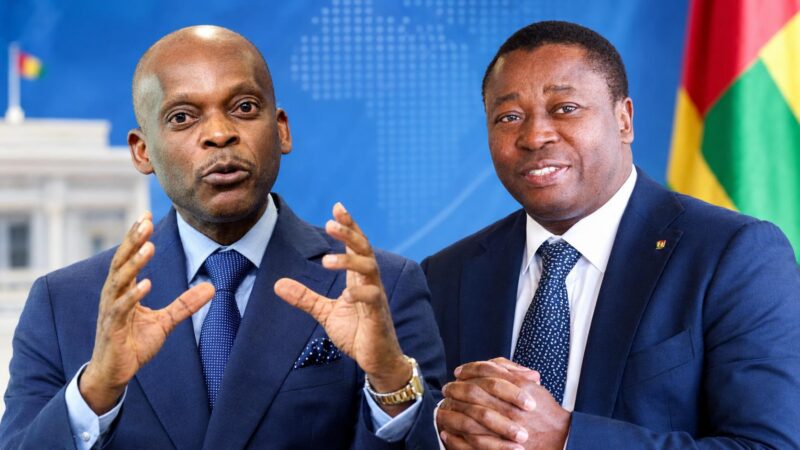
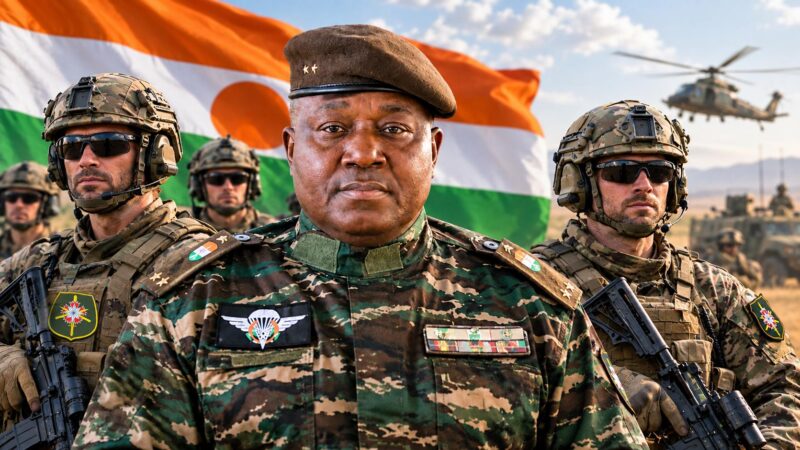
Wadagni’s decision to make Niamey the destination of one of his earliest official visits serves as the ultimate act of goodwill. By meeting directly with General Abdourahamane Tiani and Captain Ibrahim Traoré, he demonstrated Bénin’s readiness for unfiltered, solution-oriented dialogue with the AES leadership.
shared challenges that demand pragmatic solutions
This thaw is not merely symbolic—it responds to pressing realities that both nations face.
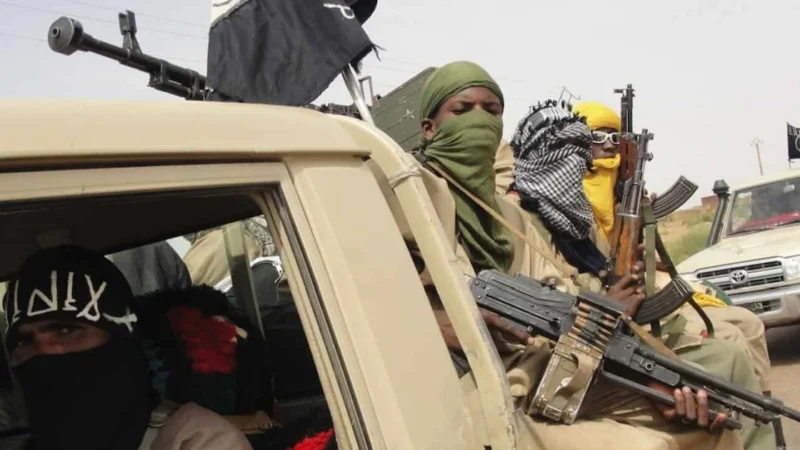
- Security imperatives: Armed violence in the shared W-Arly-Pendjari border zone surged by nearly 86% between 2024 and 2025. Neither country can independently counter the jihadist threat. Restoring military and intelligence cooperation is now a matter of survival for border communities.
- Economic interdependence: Niger relies on Bénin’s port infrastructure to stabilize prices and secure essential supplies. Conversely, Cotonou seeks to expand trade flows and boost revenue through increased port usage.
By choosing to engage directly with the AES leadership, Wadagni has turned the page on past misunderstandings. Bénin’s actions affirm respect for regional sovereignty and a shared vision for stability and shared prosperity. The next decisive step now rests with Niamey—will it respond by fully reopening borders and restoring normalcy?