Opposition challenges Ousmane Sonko’s assembly presidency before the Constitutional Council
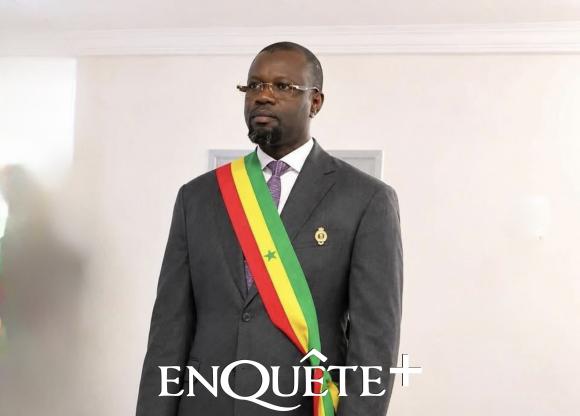
A group of approximately twenty opposition lawmakers has officially petitioned the Constitutional Council to invalidate the reinstatement of Ousmane Sonko as a member of parliament and his subsequent election as the President of the National Assembly.
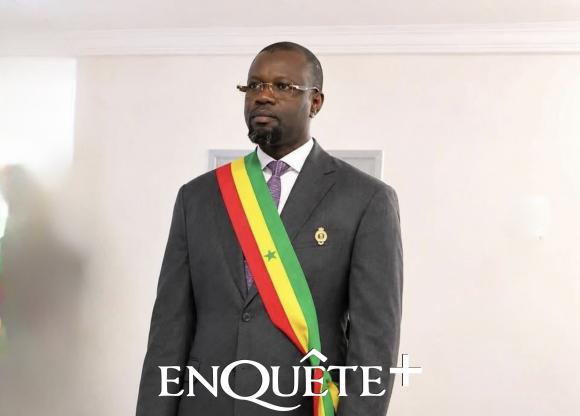
A fresh institutional battle has been initiated by parliamentary opponents. In a collective statement, non-aligned and opposition deputies confirmed they have approached the “seven sages” to contest the Bureau of the National Assembly’s May 24 decision. That decision allowed Ousmane Sonko to reclaim his seat, a move the petitioners argue is fundamentally unconstitutional.
Legal arguments centered on Article 54
The core of the legal challenge rests on Article 54 of the Constitution. The opposition contends that when Ousmane Sonko was appointed Prime Minister in 2024 while also holding an elected seat, he entered a state of incompatibility. By prioritizing his executive role, they argue he effectively relinquished his legislative mandate under both the Constitution and the internal regulations of the chamber. Consequently, his return to the Assembly and his rise to the speaker’s chair are viewed by the requesters as a violation of the separation of powers.
The petitioners maintain that the Constitutional Council is the only body capable of regulating such institutional actions and ensuring the validity of parliamentary mandates. They present this move as a necessary step to prevent executive overreach within the legislative branch.
Allegations of administrative obstruction
Beyond the constitutional debate, the opposition has raised serious procedural concerns. Lawmakers claim they were forced to deploy bailiffs to obtain essential documents, including the official act of reinstatement and the minutes from the May 26 plenary session. According to their statement, both the Secretary General and the First Vice-President of the Assembly refused to hand over these documents, which are public by nature.
This refusal is being characterized as a grave hindrance to the rights of deputies and a blow to democratic transparency. The signatories have called on the Constitutional Council to intervene against what they describe as a “forfeiture” of regular parliamentary procedures, while emphasizing their commitment to legal and peaceful channels of protest.
A high-stakes political transition
This legal maneuver follows a period of intense political shifts. After being relieved of his duties as Prime Minister on May 22, 2026, by President Bassirou Diomaye Faye, Ousmane Sonko made a rapid return to the political forefront. On May 26, he was elected to lead the National Assembly, securing 132 out of 133 cast votes, succeeding El Malick Ndiaye. The opposition had boycotted the election, labeling the process a constitutional coup.
The legal community remains divided on the issue. Some jurists argue that Article 54 strictly defines incompatibility without offering a path for automatic reinstatement. Conversely, others point to Article 123 of the internal rules, which outlines the replacement procedures for deputies who join the government.
However, the primary hurdle for the opposition remains the admissibility of their petition. Legal experts have previously noted that individual parliamentarians may lack the direct authority to refer such matters to the Constitutional Council—a power typically reserved for the Head of State. With the presidency denying any involvement in the referral, the Council’s first task will be to determine if it can even hear the case.