Bénin’s government thwarts coup attempt amid west african instability
Gunfire was reported in the economic capital, and soldiers were seen blocking access to the presidential palace.
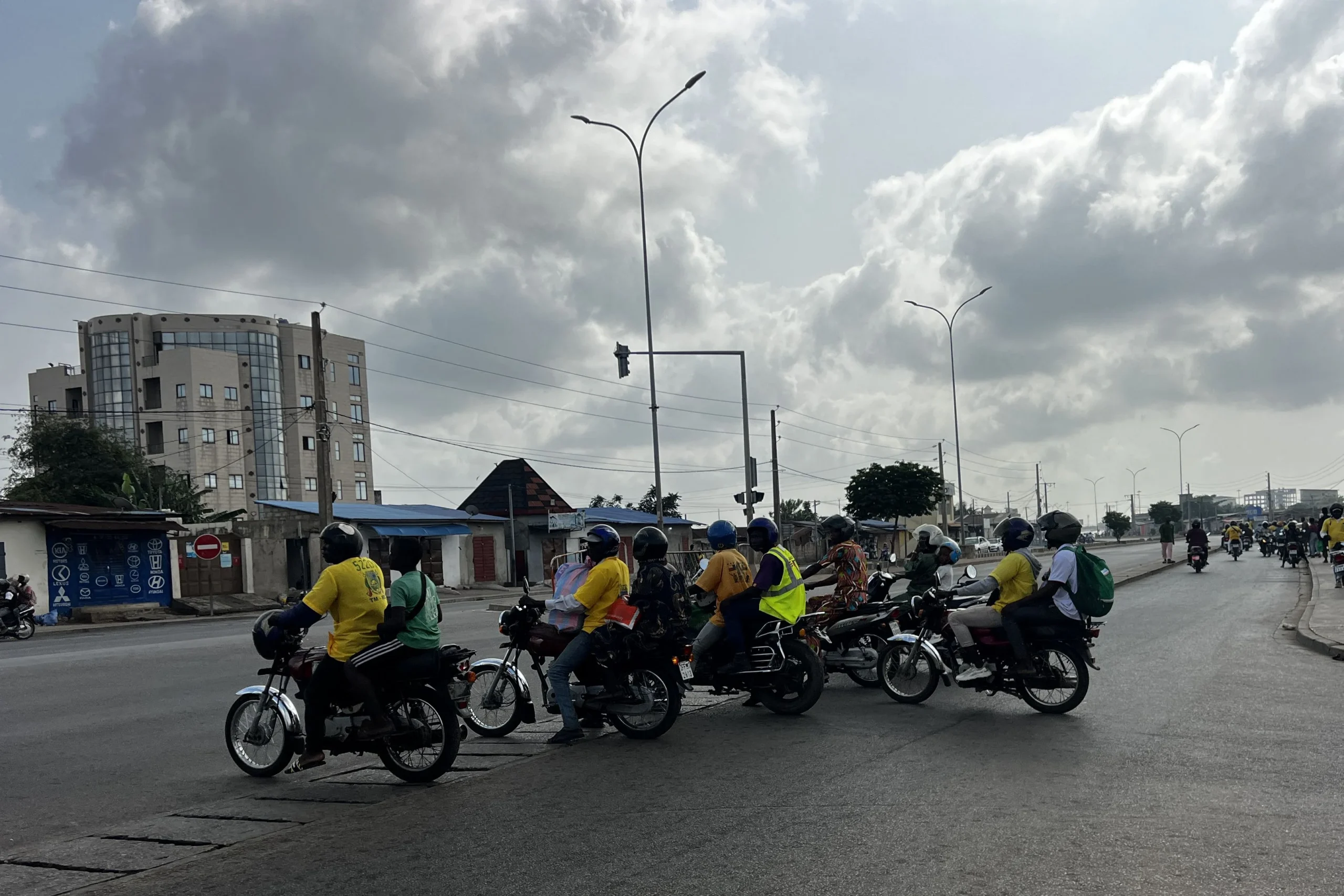
Béninese authorities announced Sunday they had successfully thwarted an attempted coup d’état aimed at overthrowing President Patrice Talon. The president assured the nation that the situation was “totally under control,” with the West African bloc CEDEAO committing military support.
This attempted takeover occurs just months before President Talon’s scheduled departure, having served two terms leading the small West African nation. Bénin, while experiencing robust economic growth, has been contending with jihadist violence in its northern regions.
West Africa has faced significant political instability this decade, marked by coups in Mali, Burkina Faso, and Niger – two of Bénin’s direct neighbors – as well as in Guinea and, most recently in late November, in Guinea-Bissau.
On Sunday morning, following gunfire near the presidential palace, military personnel appeared on national television. They declared President Talon’s removal, citing a “deterioration of the security situation” and an alleged undermining of “fundamental freedoms,” among other reasons.
However, just hours later, Bénin’s Interior Minister, Alassane Seidou, broadcast on national television, confirming that the coup attempt had been foiled.
President Patrice Talon reiterated this assertion in a brief national address Sunday evening, declaring the situation “totally under control” and assuring that “security and public order will be maintained across the entire national territory.”
“This treasonous act will not go unpunished,” he stated, having previously commended the Republican Guard soldiers upon his arrival at the presidential palace.
France, the former colonial power, condemned the coup attempt Sunday evening, urging its citizens to exercise “the greatest caution and, in particular, to remain confined” due to “a still volatile context.”
In Cotonou, the economic capital, most residents carried on with their daily activities throughout the day. However, the city emptied earlier than usual in the evening, as observed by an Agence France-Presse (AFP) journalist.
Multiple military checkpoints were established around the presidential area and the nearby Guézo military camp.
“Tonight, we’ll try to get home earlier. We don’t know who is behind this coup attempt,” 50-year-old hairdresser Michelle Eudoxie told AFP.
Nabil Sacca, a petrol vendor who was near the presidential palace Sunday morning, recounted, “This morning I started hearing the sounds of bullets. I left the neighborhood to go elsewhere because I was scared.”
West African troops deployed
Military sources informed AFP that approximately a dozen soldiers were apprehended. A security source indicated that some of the coup plotters were among those detained, though it was not specified if alleged ringleader Lieutenant-Colonel Pascal Tigri was included.
Late Sunday afternoon, Nigerian air forces conducted strikes in Cotonou, described as being “in connection with the protocols of the Economic Community of West African States (CEDEAO),” according to Nigerian Air Force spokesperson General Ehimen Ejodamen. The specific targets were not disclosed.
CEDEAO subsequently declared the “immediate deployment” of troops from Nigeria, Sierra Leone, Côte d’Ivoire, and Ghana. These forces are intended to support Bénin’s “government and republican army” and to “preserve constitutional order.”
The CEDEAO Standby Force is mandated to ensure regional peace and stability. For instance, it was deployed to Gambia in 2017 when then-President Yahya Jammeh refused to cede power.
However, the force ultimately chose not to intervene in 2023 following the coup d’état in Niger.
The African Union (AU) issued a statement “firmly and unequivocally” condemning this attempted coup.
Bénin’s political history has seen numerous coups and attempted coups, though the most recent successful one occurred in 1972.
“Today, it feels like I’m reliving what our parents experienced back then,” remarked Remy Agblo, a local merchant, adding, “fortunately, it was thwarted.”
President Patrice Talon, in office since 2016, is set to conclude his second and constitutionally mandated final term in 2026.
His chosen successor, current Finance Minister Romuald Wadagni, is widely considered the leading candidate for the April 2026 presidential elections, especially since the main opposition party has been excluded from the race.
“A palpable tension has been present in the country for months due to the elections,” noted Anatole Zinsou, a Cotonou-based IT specialist, expressing concern over “the exclusion” of certain political actors from the electoral processes.
While lauded for Bénin’s economic development, Patrice Talon frequently faces criticism from opponents who accuse him of steering the nation towards authoritarianism, a country once celebrated for its vibrant democracy.