Who safeguards what chadians eat: the silent crisis in food safety
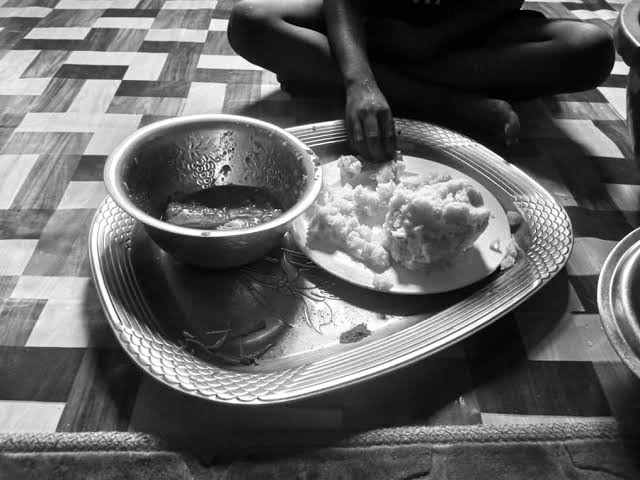
Food safety in Chad: who really protects what you eat?
The question of food safety in Chad has taken center stage, sparking urgent debates about the effectiveness of health monitoring systems and the accountability of both public and private actors. Recent images circulating on social media have exposed alarming conditions in food production and meat markets across the country, reigniting concerns about what Tchadians are actually consuming.
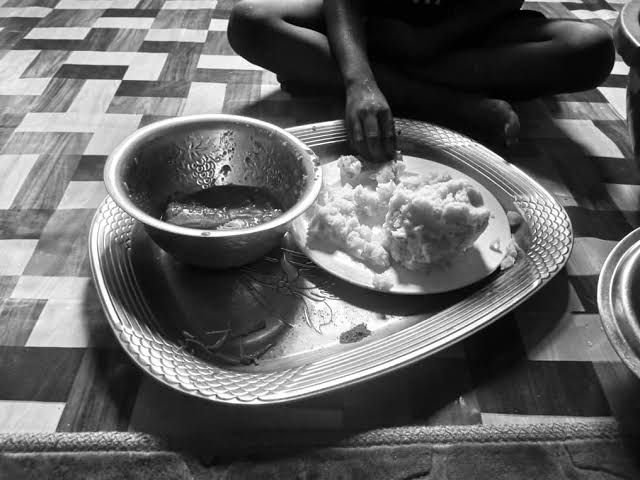
When public health hangs in the balance
Images revealing unsanitary food production environments and questionable meat market practices have struck a chord with consumers. Products like yogurt, milk, and meat—staples in many Tchadian households—are no longer seen as mere commodities. They are lifelines that directly impact public health.
The real issue isn’t just identifying where food was produced under poor conditions. It’s about understanding how such products ever made it to market shelves in the first place. The chain of responsibility stretches from producers and traders to regulatory agencies and government bodies. Each link must be examined to ensure that unsafe food never reaches consumers.
The fragile state of food safety controls
In a country where informal markets play a critical role in feeding the population, food safety monitoring remains a persistent challenge. Regulatory bodies grapple with limited resources, outdated equipment, and the sheer scale of the task. Informal actors often operate outside the system, making consistent oversight nearly impossible.
Yet, protecting public health cannot rely solely on reactive measures like social media alerts. Proactive controls—regular inspections, strict penalties for violations, and support for producers to adopt better hygiene practices—are essential. Without these, the risks to consumers grow unchecked.
The consumer’s dilemma: knowledge and trust
Every day, Tchadians purchase food products without clear information about their origins. Questions about production dates, storage conditions, and compliance with safety standards often go unanswered. In this environment, consumers are left to fend for themselves, despite being the very people who should benefit from a robust food safety system.
The push for transparency must be a priority. Reputable producers should be recognized and rewarded, while those endangering public health must be held accountable. Trust in the food supply is not negotiable—it is a cornerstone of a healthy society.
A shared responsibility for safer food
Food safety in Chad is not the sole responsibility of government agencies or technical services. It is a collective duty that involves businesses, traders, and citizens alike. Companies must adhere to safety standards, vendors must ensure proper storage and handling, and authorities must enforce regulations without exception.
Turning a blind eye to unsafe practices doesn’t just risk foodborne illnesses—it erodes public trust and undermines national development. The consequences, though often invisible at first, can have long-term effects on health and economic stability.
From outrage to action: building a culture of food safety
The question of who truly safeguards the food on Tchadian tables demands a clear answer. It is a question for institutions, economic players, and every individual. A nation that aspires to progress cannot afford to overlook the quality of its food supply. Public health begins with what we eat.
Ensuring that Tchadians have access to safe food is not a luxury—it is a fundamental obligation. Now, the challenge is to turn public concern into lasting reform. This means strengthening oversight, modernizing regulatory services, and fostering a culture of responsibility around food safety.
At the heart of this issue lies a simple truth: every product on a market shelf represents a critical question. Are those who consume it truly being protected?