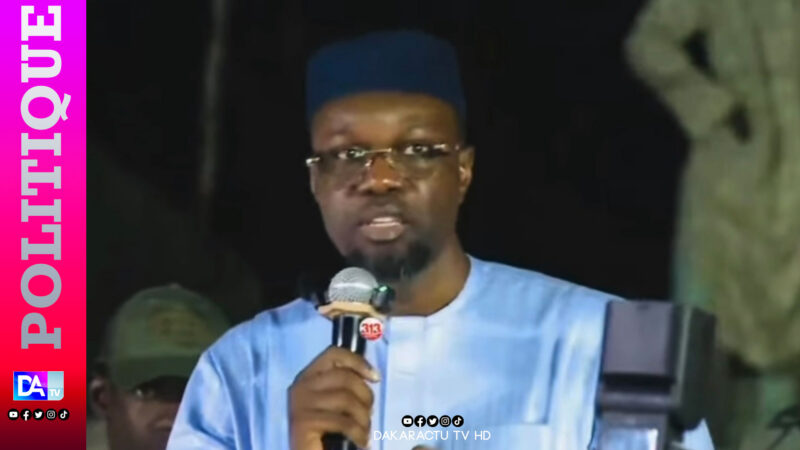
Pastef’s resilience tested amid Senegal’s political shake-up
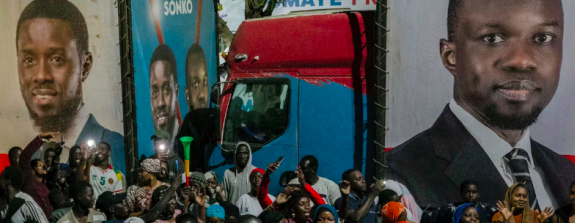
The dismissal of Ousmane Sonko as Prime Minister and the subsequent reshuffling of the executive branch have ushered in a fresh political phase for Senegal.
The ruling Pastef-Les Patriotes party now faces its most critical test since assuming power in 2024. Internal fractures have emerged, marked by high-profile defections, strategic disagreements between President Bassirou Diomaye Faye and party leader Ousmane Sonko, and the imminent formation of a new political party aligned with the Head of State.
At first glance, these developments might suggest a weakening of Pastef. Yet a deeper political analysis reveals a more nuanced reality. The most visible trend is the erosion of the party’s elite ranks. Several ministers, senior advisors, directors-general, deputies, and members of the National Political Bureau have chosen to align with President Diomaye Faye rather than adhere to the party’s established line.
The clash of legitimacy: institutional vs. charismatic
Political science distinguishes between two primary sources of legitimacy: legal-rational legitimacy, derived from institutional authority, and charismatic legitimacy, rooted in the exceptional qualities of a leader. Since assuming office, President Bassirou Diomaye Faye has drawn his authority from the Constitution and the presidency. Meanwhile, Ousmane Sonko continues to wield influence through a decade-long charismatic bond with militants.
Those defecting argue that the President now embodies the true spirit of Pastef’s political ‘Project.’ Some even criticize the party’s excessive personalization around Sonko, citing authoritarian tendencies, weak internal democracy, and centralized control under the ‘boss’ figure. For these dissidents, loyalty to the Project supersedes allegiance to any individual.
Yet this perspective overlooks a critical reality: the departures primarily involve public officials rather than grassroots party structures. Most defectors are administrative figures or leaders whose political visibility stems from their association with Pastef—and specifically with Ousmane Sonko. Their capital remains largely institutional, not electoral.
A party built on mass mobilization
For many Senegalese observers, the dissidents remain ‘political unknowns’—figures whose influence hinges on Sonko’s leadership. Few possess autonomous local roots or territorial anchorage comparable to major political figures in Senegal. Their political capital is tied to state power rather than voter loyalty.
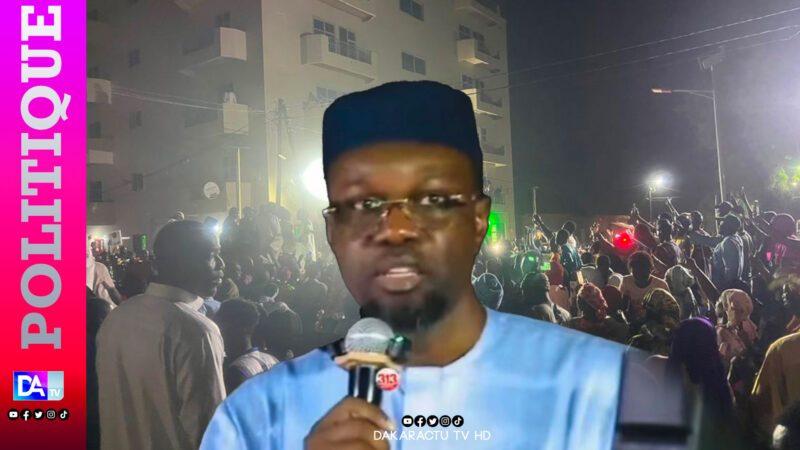
Pastef, in contrast, remains a mass-based party structured around thousands of militants who fund operations through dues and sustain its presence across Senegal. The loss of elite figures does not necessarily translate into organizational collapse. Recent events underscore this resilience: the June 6 party congress reaffirmed Ousmane Sonko’s leadership unanimously, and his June 7 rally at Dakar Arena drew massive crowds despite the absence of dissidents. The July 4 membership drive further demonstrated strong militant engagement, accompanied by the merger of 60+ political movements with Pastef ahead of the congress.
This resilience stems from Sonko’s charismatic legitimacy—a Weberian concept rooted in followers’ belief in a leader’s exceptional qualities. Many Pastef militants identify not just as ‘pastefians’ but as ‘sonkistes,’ reflecting a deeply personal connection to the leader. While reminiscent of Abdoulaye Wade’s relationship with PDS supporters, Sonko’s phenomenon goes further: he has elected mayors, propelled Bassirou Diomaye Faye to the presidency, and secured 130 of 165 parliamentary seats in 2024—an unprecedented feat in Senegal’s contemporary politics.
Can the dissenters gain traction?
While the risk of fragmentation is real, its scale remains limited. Party splits often erode cohesion and credibility, and a pro-government party could attract opportunistic elected officials seeking state resources—a common pattern in African political systems. The coexistence of two legitimacy centers—one institutional (President Faye), the other partisan (Ousmane Sonko)—risks perpetuating tensions.
Yet evidence suggests the crisis primarily affects elites, not militants. No mass exodus has occurred at the grassroots level. Pastef’s identity, built on activism, economic patriotism, and popular mobilization, continues to anchor loyalties. The party’s future hinges on whether its legitimacy can translate into durable electoral strength.
The pressing question is whether Sonko’s ‘Joxogn’—his political brand—retains its potency. Can he still mobilize voters to elect mayors, deputies, and, ultimately, a president? The answer will shape not only Pastef’s destiny but also Senegal’s political landscape for years to come.