What Niger’s general Barmou removal means for the junta’s next chapter
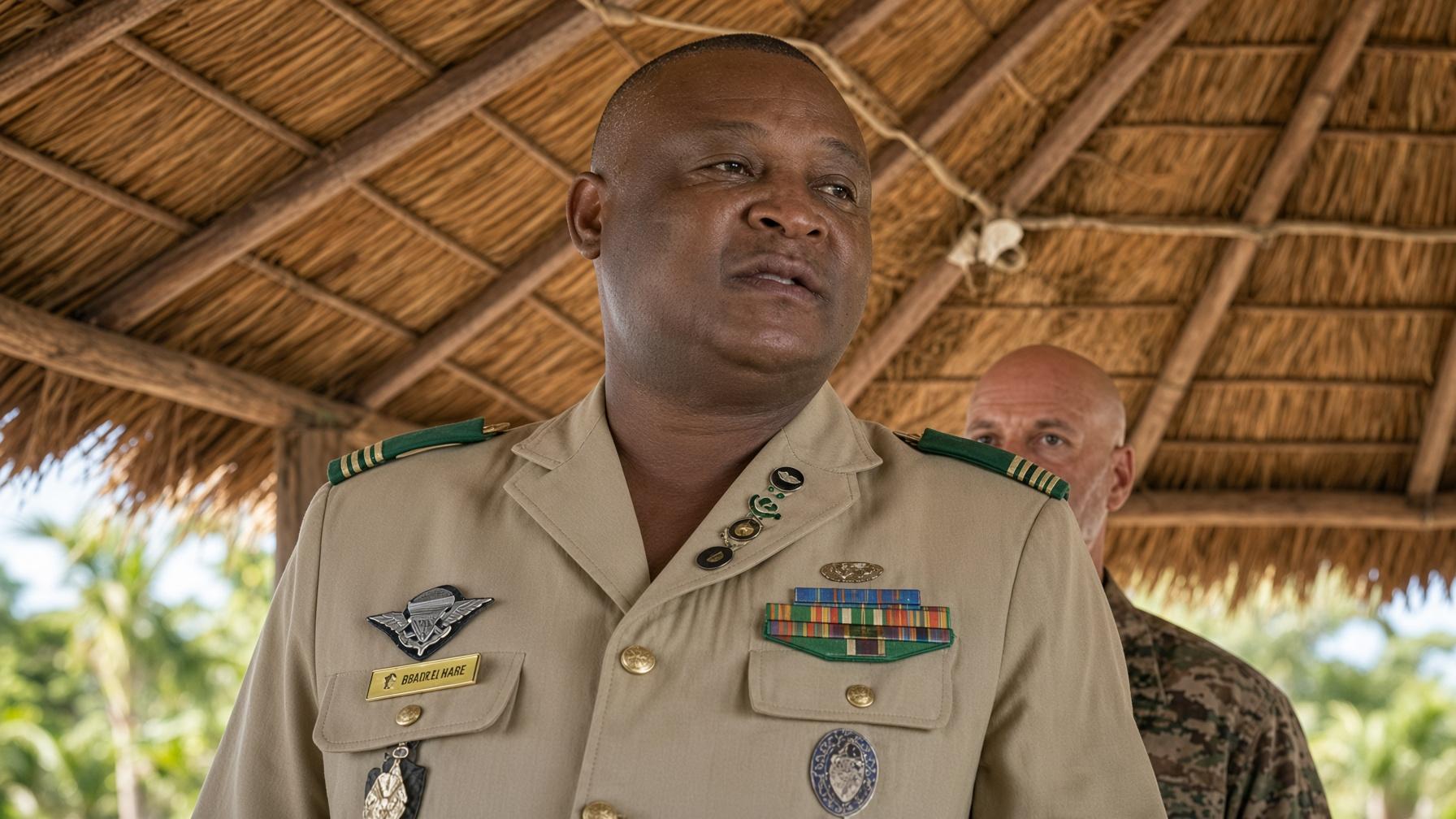
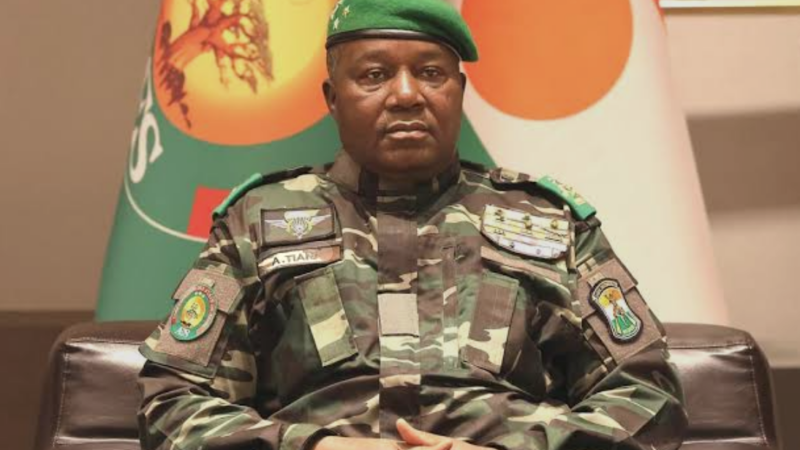
The detention of Major General Moussa Salaou Barmou has triggered a wave of reaction across Niger’s capital, with public debate now focused on what his removal from the top of the military hierarchy means for the country’s political trajectory. The officer, once a central figure in the junta that seized power in July 2023, was stripped of his role as chief of general staff of the Nigerien Armed Forces on 11 September 2026 and placed under house arrest. The fallout from the failed mutiny of 28-29 August at Air Base 101 continues to reshape the balance of power at the highest levels of the state.
A swift downfall and its immediate aftermath
Barmou’s dismissal came by presidential decree, and General Abdourahamane Tiani moved quickly to appoint Brigadier General Mamane Sani Kiaou, previously head of the land forces, as the new army chief. The speed of the decision has fuelled speculation about the depth of the internal crisis. While no official evidence has been presented linking Barmou directly to the August insubordination, the suspicion alone was enough to end his career at the summit of power.
Observers in Niamey describe the move as a turning point. The general had long been seen as the enforcer of the special forces and a guarantor of continuity within the military leadership. His sidelining signals that the junta is prepared to move against even its most prominent architects to protect its grip on power.
Public debate: between denial and disillusionment
In the streets of the capital, reactions have been mixed. Rumours of an official denial have circulated alongside a more sober recognition that trust within the security apparatus has broken down. Critics of the regime argue that the episode reveals a self-defeating logic: governments born from force often end up consumed by suspicion of their own founders.
The resolution of the August crisis, which reportedly relied on ground support from Russian Africa Corps personnel, exposed existing fractures within Niger’s defence and security forces. By neutralising one of the country’s most influential officers, the junta appears to be sending a deterrent message to the entire military hierarchy: internal dissent will not be tolerated, and any hint of disloyalty carries severe consequences.
What comes next for the junta and the country
The question now is whether Barmou’s fate will stabilise the regime or accelerate its internal contradictions. For the public, the affair raises concerns about the durability of a system that has turned against its own founding members. The junta’s consolidation of power may bring short-term control, but it also deepens the cycle of mistrust that has already claimed several senior figures.
As Niamey waits for the next move, the general’s house arrest stands as a symbol of the precarious nature of military alliances forged in the wake of a coup. The coming weeks will show whether the junta can manage the fallout or whether the purge spiral will continue to reshape the country’s leadership.