Benin-Rwanda alliance update: public reactions and future prospects after Wadagni’s Kigali visit
Diplomatic visit sparks mixed reactions across west africa
The 48-hour working visit of Benin’s minister of state for economy and finance, Romuald Wadagni, to Kigali has ignited intense public debate across West Africa. While diplomats and analysts praise the move as a bold strategic pivot, voices from civil society and opposition quarters are questioning the sustainability of the Benin-Rwanda partnership amid pressing domestic priorities.
What really happened in Kigali: security and economic cooperation take center stage
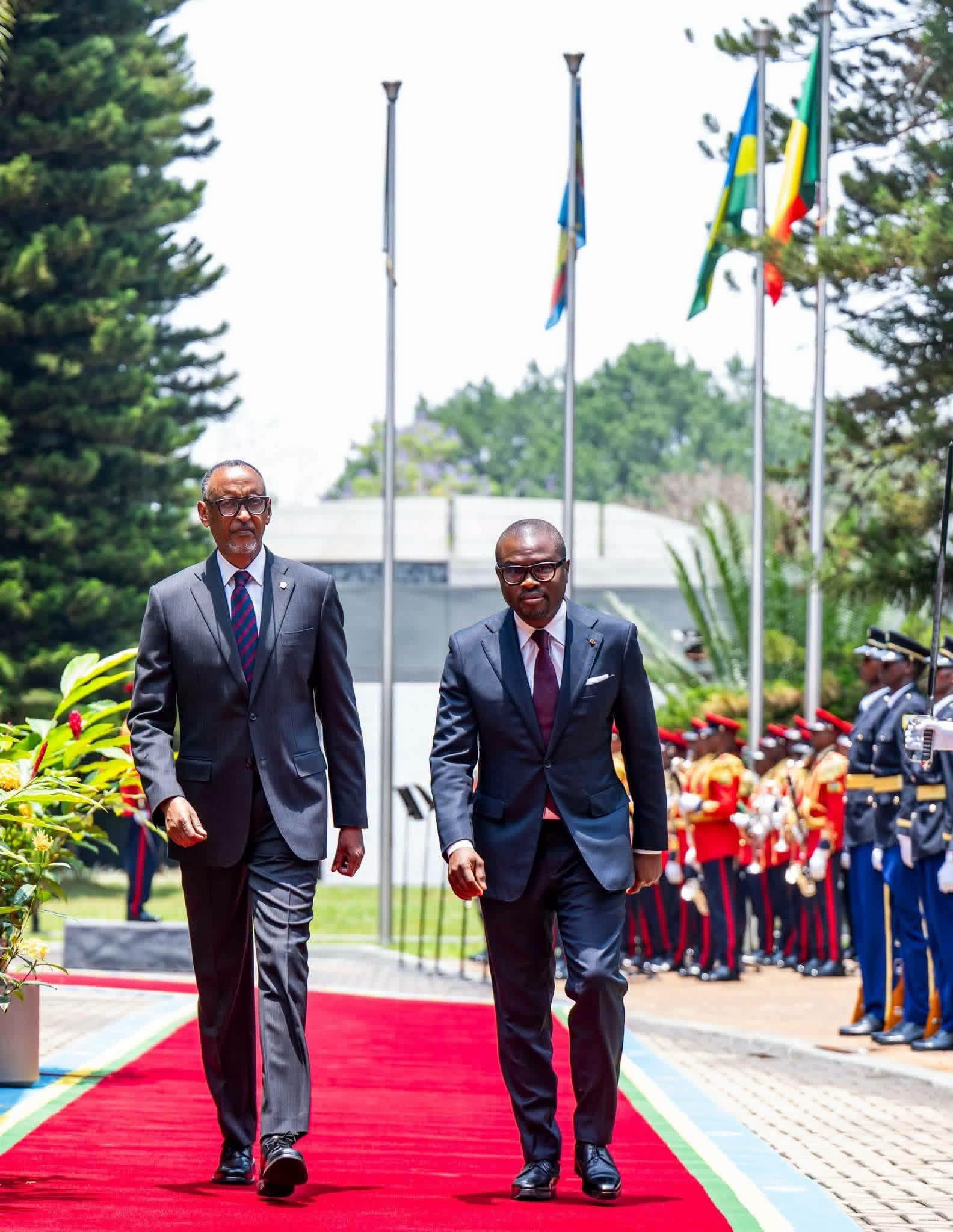
Wadagni’s high-profile engagement in the Rwandan capital centered on two pillars: deepening bilateral security cooperation and accelerating administrative modernization. At the Gisozi Presidential Palace, Wadagni held closed-door consultations with Rwandan president Paul Kagame, followed by an expanded ministerial session that included defense, trade, and digital governance experts.
The newfound momentum reflects both countries’ determination to reinforce regional stability and economic integration. “This visit wasn’t just symbolic—it was a practical commitment to shared security and digital transformation,” said one senior Beninese official who attended the meetings.
Tightening border security and intelligence-sharing
One of the most concrete outcomes is the pledge to expand joint security initiatives along their shared borders. Both nations are set to deepen intelligence-sharing mechanisms, enhance cross-border patrol coordination, and increase technical support for law enforcement agencies. These measures aim to curb illicit trafficking and armed group movements that threaten regional peace.
Lessons in public sector digitization
Benin’s delegation also studied Rwanda’s acclaimed e-governance model, particularly its Irembo digital platform, which streamlines public services and citizen engagement. Wadagni highlighted the potential to adapt Rwandan best practices to Benin’s ongoing public sector reform agenda, emphasizing efficiency gains and transparency as key benefits for citizens and businesses alike.
Public and media responses: support, skepticism, and calls for transparency
Pro-business voices applaud the strategic shift
Private sector leaders and pro-trade associations have welcomed the initiative, pointing to Rwanda’s role as a gateway to East African markets. “The Benin-Rwanda axis is no longer a theoretical concept—it’s becoming a trade reality,” remarked a prominent economist based in Cotonou. Industry analysts forecast potential boosts in agro-processing, logistics, and tech-based services under a strengthened partnership.
Civil society questions sustainability and inclusivity
Civil society organizations have expressed concern over the lack of public consultation in the deal-making process. Critics argue that high-level agreements must be matched with grassroots participation to ensure equitable benefits. “Strategic partnerships shouldn’t sideline citizens,” commented a human rights advocate from Parakou. “We need clarity on how local communities—especially in rural areas—will benefit from this axis.”
What comes next: policy roadmap and domestic implications
The visit has set the stage for a structured implementation phase. Both governments are expected to form technical working groups within 60 days to finalize action plans focusing on three main areas: border security infrastructure, agro-industrial value chains, and digital public service interoperability.
Domestically, the partnership raises questions about Benin’s priorities. With pressing challenges like youth unemployment and infrastructure gaps, critics wonder whether resources allocated to the Rwanda axis might divert attention from urgent national needs. Supporters, however, argue that long-term regional integration could ultimately strengthen Benin’s economic resilience.
Economic forecasts and trade corridor potential
Early analysis suggests that enhanced connectivity between Cotonou and Kigali could reduce transit times to East African ports by up to 20%, while increasing two-way trade flows in key sectors such as cotton, pharmaceuticals, and renewable energy equipment. The new trade corridor is anticipated to cut logistics costs and open new markets for Beninese exporters.
The human dimension: remembrance at Gisozi and national identity
Consistent with Benin’s tradition of diplomatic sensitivity, Wadagni visited the Kigali Genocide Memorial at Gisozi, laying a wreath in tribute to the 1994 victims. The gesture—widely covered by media—reinforced solidarity and mutual respect between the two nations. “It’s a reminder that stability and reconciliation are the bedrock of any lasting partnership,” noted a political commentator.
Expert outlook: can the axis outlast the headlines?
Long-term observers caution that translating diplomatic goodwill into tangible gains will require consistent political will, transparent governance, and measurable deliverables. While the current momentum is promising, the real test lies in execution—and in ensuring that the benefits reach beyond political elites.
As Wadagni returns to Cotonou, the public discourse is shifting from whether the partnership will endure to how it will deliver for all citizens. The debate is now centered on accountability, resource allocation, and citizen involvement in shaping Africa’s next geopolitical success story.