Wagner’s intimidation tactics against humanitarian worker joseph figueira in central africa
In the heart of Zemio, a town in the Haut-Mbomou region of Central Africa, the sun set on a seemingly ordinary evening. The courtyard of a local bar-restaurant buzzed with activity as a small gathering marked the departure of two visitors. Among them was Joseph Figueira, a Belgian-Portuguese researcher commissioned by the American NGO FHI 360 under a USAID project to assess ground conditions for conflict prevention. Accompanying him was a colleague from the neighboring Democratic Republic of the Congo. The gathering included around fifty locals, a mix of community leaders and project stakeholders.
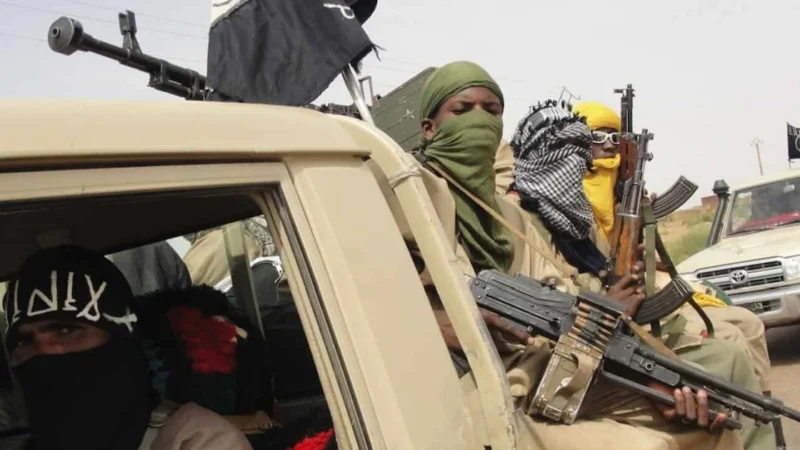
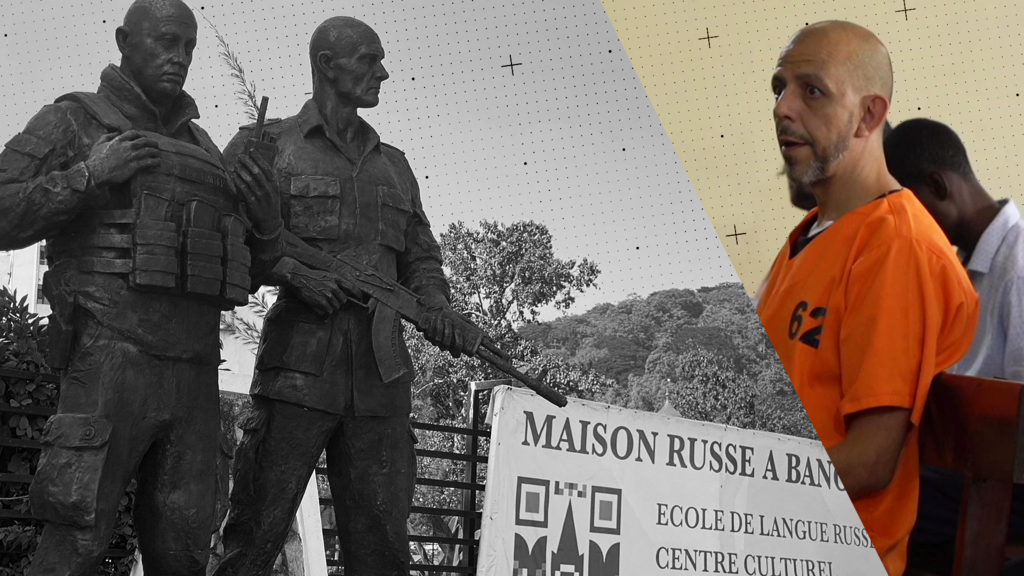
Unbeknownst to the attendees, this moment of camaraderie would soon take a sinister turn. Within 48 hours, Figueira’s presence in Central Africa would be abruptly cut short by a force that has increasingly shaped the region’s security landscape: the Wagner Group. Since 2018, this Russian-backed paramilitary force has operated as a de facto extension of the Central African government, often blurring the lines between state authority and mercenary operations.
Violations amid a backdrop of instability
The Haut-Mbomou region, plagued by recurring communal tensions, has long been a flashpoint. Despite Figueira’s legitimate status—he had been in the country for nine days, had met with officials in Bangui and provincial areas, and was working closely with both local and international organizations—his detention reflected a pattern of disregard for due process. Without warning, three Wagner operatives, accompanied by a Central African gendarme acting as translator, interrupted the gathering.
The scene unfolded rapidly. Figueira was forcibly removed from the premises, denied the chance to retrieve his documents from his NGO lodging, and transported to the local airstrip. There, he was subjected to physical assault, resulting in injury, and placed in handcuffs before being loaded onto an aircraft. The entire sequence occurred outside any legal framework, underscoring the group’s reputation for operating with impunity in the region.
From propaganda to persecution: the broader strategy
This incident is not an isolated act but part of a wider campaign of intimidation linked to a Russian influence network. Investigative findings, drawn from over 1,400 internal documents tied to Evgueni Prigojine’s communication consultancy—later absorbed into state structures after his death in August 2023—reveal a systemic effort to manipulate public discourse and undermine perceived adversaries. The documents, analyzed by a cross-border consortium, highlight how such operations extend beyond military objectives to include psychological warfare and the silencing of critics.
For humanitarian workers and independent researchers like Figueira, the message is clear: operating in Central Africa now carries significant risks, not just from armed groups or political instability, but from shadowy forces that weaponize information and authority to control narratives. His case exemplifies how the Wagner Group’s presence has evolved from battlefield support to a tool of coercion, targeting those who challenge its influence.
As night fell over Zemio, the episode left more than just bruises—it sent a chilling signal to anyone who dares to work independently in a region where power is increasingly privatized and unaccountable.