Us sanctions on dr Congo: what triggers Washington’s latest measures?
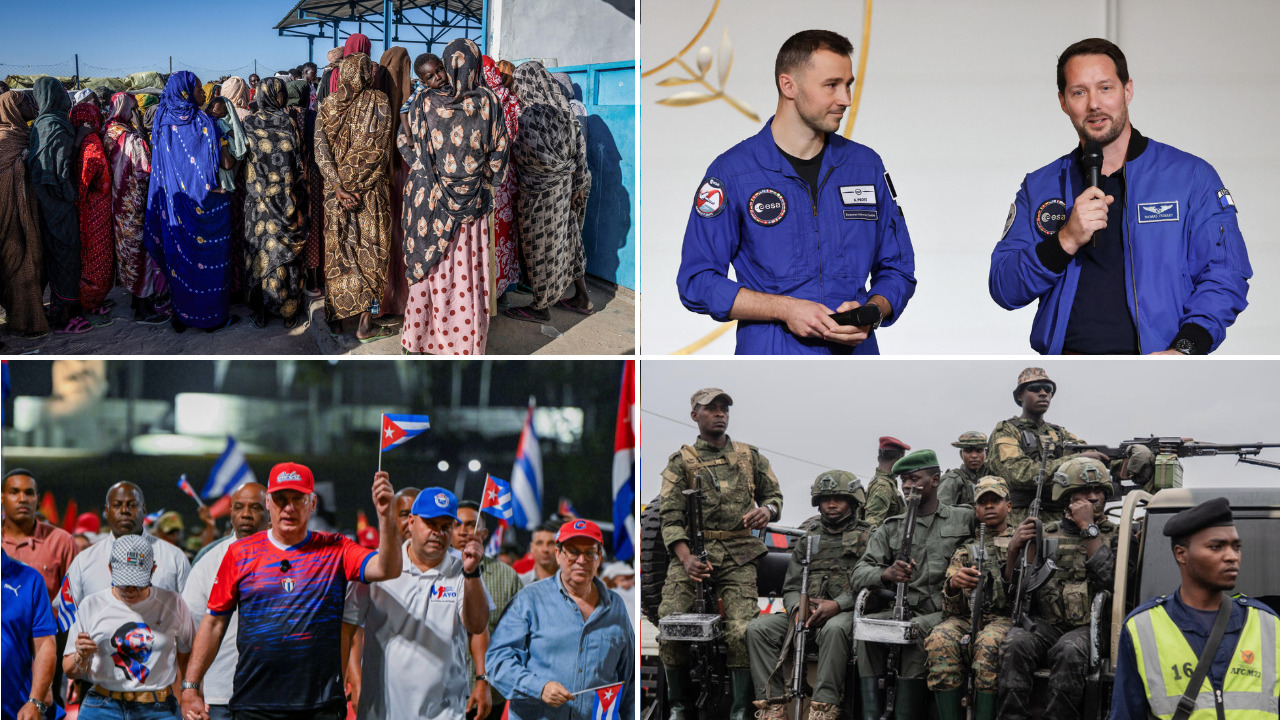
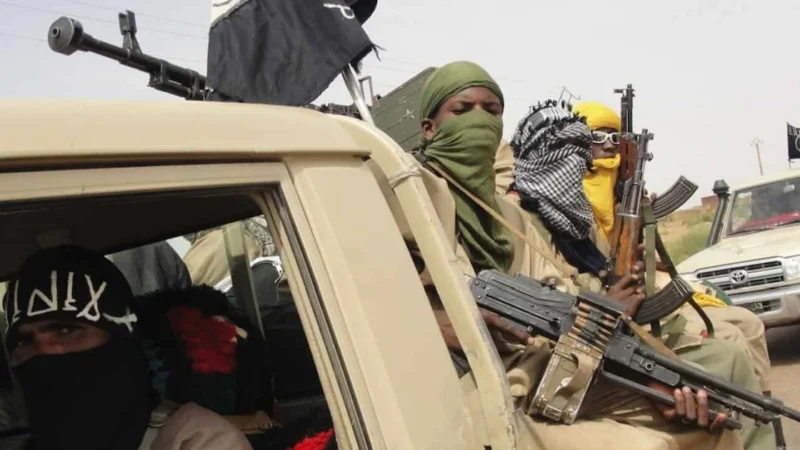
Washington has once again tightened its grip on the Democratic Republic of the Congo (DRC) by rolling out fresh sanctions targeting key figures linked to ongoing conflicts in the east. These measures, announced three months after similar restrictions were placed on the Rwandan military and several high-ranking officials, focus on two individuals: a senior intelligence officer in the AFC/M23 rebel group and a commander of the FDLR militia.
The AFC/M23 and FDLR have long been entangled in the violent unrest that has plagued the eastern regions of the DRC. The question now is: what precisely prompted the United States to single out these two figures? Is this a direct signal to Kigali? And could more names join the list before the year ends?
why these two leaders are now under us scrutiny
The AFC/M23, a rebel faction active in North Kivu, has been accused of destabilizing the region through armed confrontations and human rights violations. Meanwhile, the FDLR, a predominantly Hutu armed group, has been linked to prolonged violence and cross-border tensions. Both groups have been repeatedly cited in reports documenting atrocities against civilians, including mass displacements and systematic abuses.
The sanctions imposed by the United States typically freeze assets and restrict financial transactions, aiming to isolate these individuals and curb their operational capabilities. By targeting these leaders, Washington is signaling a clear stance against actors perceived to be fueling instability in the DRC.
Analysts suggest this move may also serve as a warning to neighboring countries, particularly Rwanda, which has been accused of backing the M23 rebels. While neither Kigali nor the targeted individuals have officially commented, the timing and nature of the sanctions raise critical questions about regional geopolitics and the broader implications for peace efforts.
are more sanctions on the horizon?
The introduction of these measures follows a pattern of escalating pressure by the U.S. on actors contributing to the DRC’s prolonged crisis. Given the fluid nature of the conflict and the involvement of multiple armed groups, there is speculation that additional sanctions could be introduced in the coming months.
Such steps would likely depend on the evolving dynamics on the ground and the response—or lack thereof—from regional stakeholders. If the current sanctions fail to curb violence or encourage dialogue, further designations could follow, potentially widening the scope to include political leaders, business figures, or military commanders perceived as obstructing peace.
For now, the international community will be watching closely. The DRC’s struggle for stability remains one of Africa’s most pressing humanitarian and security challenges, and U.S. sanctions represent a significant diplomatic tool in Washington’s broader strategy to influence outcomes in the region.