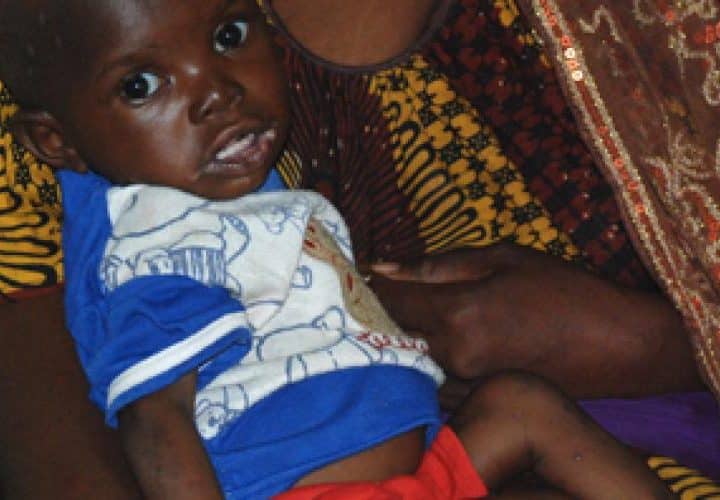
Malnutrition in Mali: a critical public health challenge
Widespread across Mali, malnutrition represents a major health emergency for this nation of 15 million people located in the Sahel region. Despite various preventative strategies launched in recent years, several areas of the country continue to struggle with high rates of nutritional deficiency. Here is an overview of the situation.
Nutritional insecurity is concentrated in specific regions of Mali. In response, the Malian government has been scaling up its efforts over the last few years. Addressing the alarming child mortality rate—where nearly one in five Malian children dies before the age of five—has made nutrition a top priority for this West African state. This silent crisis has far-reaching consequences that affect families and the national economy over the short and long term.
Within many Malian households, short intervals between births are common. This lack of birth spacing is a primary driver of malnutrition for both mothers and their young children. Furthermore, the risk of nutritional deficiency tends to rise in proportion to the size of the household.
Surpassing international emergency levels
Global acute malnutrition, which includes both moderate and severe cases, affects approximately 15% of the population in Mali, significantly exceeding the international warning threshold of 10%. Meanwhile, chronic malnutrition impacts 38% of children under five, nearly double the 20% limit set as an international alert level. Mali remains well above the safety margins established by the World Health Organization.
Additionally, over 80% of children under five and 65% of women in Mali suffer from iron deficiency, marking some of the highest rates globally. These statistics are particularly concerning because iron deficiencies severely hinder cognitive development and learning abilities in children. For mothers, anemia can have immediate repercussions on their offspring starting from conception; an anemic woman is far more likely to give birth to a child who will suffer from malnutrition.
Given that 40% of the population is currently affected, the prevalence of malnutrition in Mali is classified as a severe health crisis.
Strategic goals and future hurdles
To combat this issue effectively, the Malian government has implemented a comprehensive nutrition policy. This strategic framework aims to streamline care and improve outcomes for those affected.
“This policy is supported by a dedicated action plan designed to attract and mobilize funding for the nutrition sector.”
As part of these efforts, Mali recently introduced universal salt iodization to prevent disorders caused by iodine deficiency. Currently, 79% of Malian homes use iodized salt, though this still falls short of the 90% target.
Since 2005, Nutrition Activity Intensification Weeks (SIAN) have been conducted twice annually, reaching 95% of the country. Specifically targeting children between 6 and 59 months old, the SIAN initiatives have become a staple in community life, serving as an effective tool for education and prevention. During these weeks, the government and humanitarian groups, including Unicef, distribute Vitamin A supplements and deworming treatments to bolster child health.
These two primary initiatives, led by the Malian authorities in collaboration with Unicef and various NGOs, are playing a vital role in lowering the national child mortality rate.
The SIAN program is part of a broader community-based strategy used by Unicef to raise awareness about nutritional health. The organization works closely with local populations to help them identify the physical signs of malnutrition, ensure early detection, and provide rapid treatment for sick children. By integrating malnutrition screening into routine community health activities, Unicef and its partners aim to maximize their impact. Experts emphasize the need for continued public education regarding the importance of clean water and addressing the root causes of nutritional deficits.
By 2010, half of the Malian children suffering from severe acute malnutrition were receiving specialized care. This level of coverage continues to expand gradually across the nation.