Togo: half a century under Gnassingbé dynasty rule and no end in sight

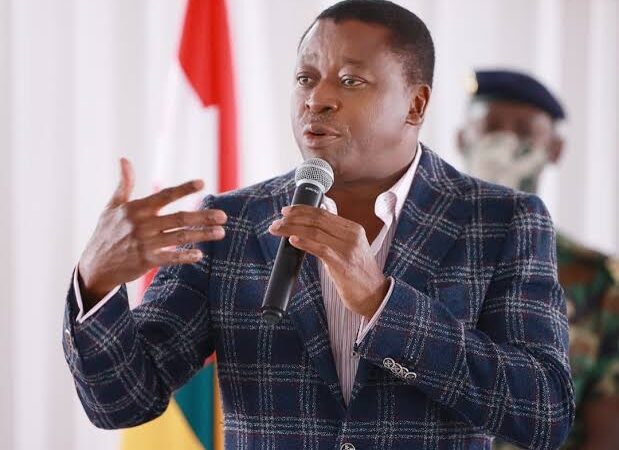
The Togo stands out in Africa for an unenviable record: the continent’s longest-serving political dynasty. For five decades, father and son have maintained a firm grip on power, with Faure Gnassingbé now entering his third decade as president. By locking down state institutions and securing unwavering military loyalty, he has followed the same blueprint laid out by his predecessor, Gnassingbé Eyadéma. Evidence points to one conclusion: the current leader is determined to rule for life, mirroring the path of his late father.
Preserving the clan at all costs: why democracy never gained ground
The real obstacle to democratic change in Togo isn’t just one political party—it’s a tightly woven family network that treats the presidency as personal property. Since 1967, the Gnassingbé family and their inner circle have viewed power as an inherited asset rather than a public trust.
For Faure Gnassingbé, stepping down would trigger an existential threat. Relinquishing the presidency would invite scrutiny over financial mismanagement, systemic corruption, and decades of state-sanctioned violence—including the 2005 post-election crackdown that left hundreds dead. To the clan, holding onto power isn’t just political strategy; it’s a matter of survival. This fear keeps the president locked in place, ensuring no peaceful handover will ever occur.
A constitutional trap: how laws were weaponized to block change
The recent shift toward a parliamentary system has effectively crushed any hope for democratic transition. By adopting the title of President of the Council of Ministers, Faure Gnassingbé sidestepped term limits and direct elections, consolidating control under the guise of institutional reform.
This constitutional overhaul marks a definitive turning point:
- No direct elections: Citizens no longer vote directly for their leader, removing any chance of an electoral backlash against the regime.
- Unlimited mandate: As long as his party, UNIR, wins rigged legislative elections, the presidency remains within the family’s grasp.
This legal maneuver reflects a calculated strategy. Where his father used brute force to defy constitutional rules in 2002, Faure Gnassingbé has instead rewritten the rules to legitimize perpetual rule. The outcome is identical: a presidency that outlives its original purpose.
The military’s iron grip: why the regime will never surrender power
The Togolese Armed Forces (FAT) serve as the final pillar of this dynastic system. Originally structured by Gnassingbé Eyadéma along ethnic and familial lines, the army remains loyal not to the nation, but to the ruling family.
Senior officers share the same economic and security interests as the Gnassingbé clan. For them, Faure Gnassingbé’s departure would mean losing influence, privileges, and protection. The president, in turn, depends entirely on the military’s backing to survive politically. Neither side can afford a change in leadership—creating an unbreakable cycle where the regime clings to power indefinitely.
The inescapable trap: a presidency that refuses to end
Faure Gnassingbé has inherited more than a title—he’s inherited a gilded cage. Trapped by a clan unwilling to give up its advantages, shielded by an army that fears reform, and shielded by laws of his own making, he has no path to exit. Like his father before him, he will govern until nature takes its course.
Yet in refusing to offer his country a peaceful transition, Faure Gnassingbé risks leaving behind a powder keg. The moment the dynasty falls, the fallout may plunge Togo into turmoil—proving that perpetual rule, even in the name of stability, plants the seeds of upheaval.