Togo diplomacy shifts as Lomé prepares to recognize FLA
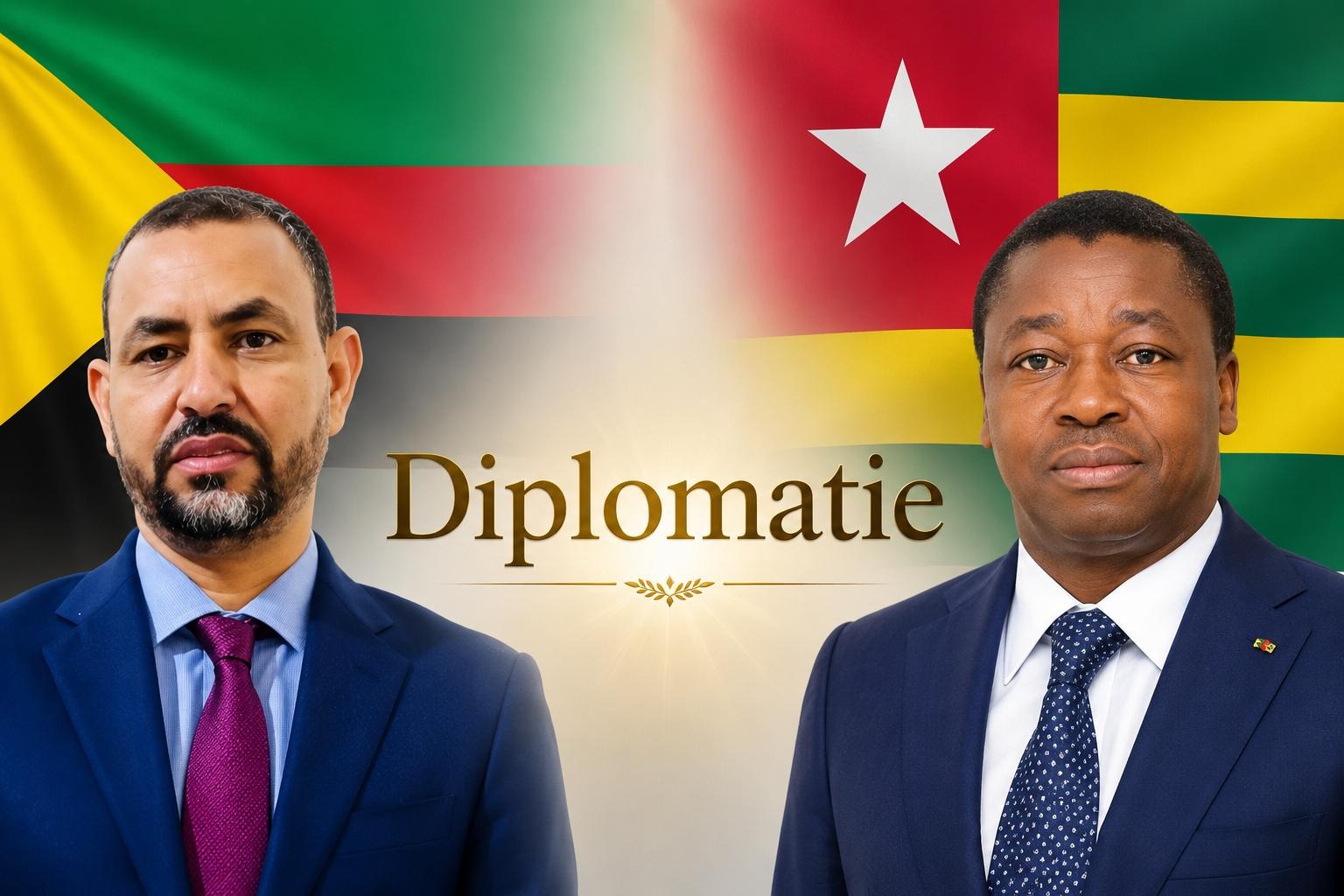
The diplomatic landscape of West Africa is about to witness a pivotal moment. Lomé is poised to take a bold step by officially recognizing the Front de Libération de l’Azawad (FLA), a move that underscores the city’s evolving role in regional politics.
Why Lomé is becoming the epicenter of West African dissent
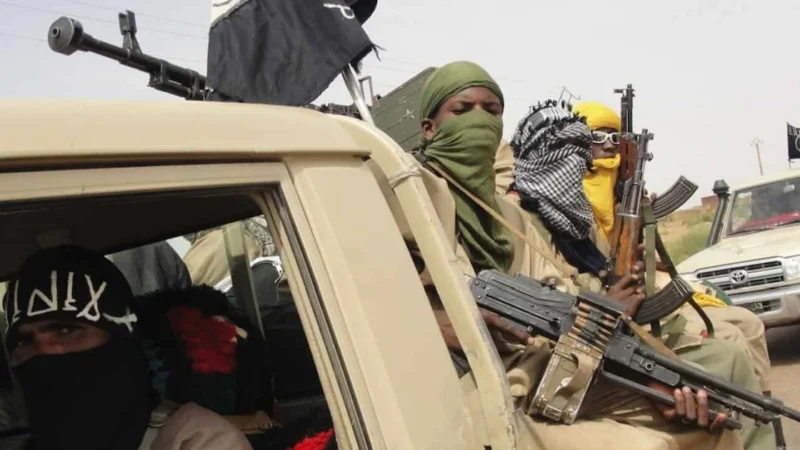
The FLA, a political and military movement challenging Bamako’s authority over northern Mali, is set to embark on a strategic tour across West African capitals. Its mission: to secure international legitimacy and break free from the isolation imposed by Mali’s transitional government. With Lomé as its first stop, the FLA is banking on a receptive audience—one that could amplify its calls for autonomy or sovereignty.
By welcoming the FLA’s envoys and signaling its intent to grant recognition, Togo is positioning itself as a critical player in this shifting geopolitical puzzle. The move reflects Lomé’s growing reputation as a hub for alternative diplomacy, where unconventional alliances are forged and dissenting voices find an ear.
Faure Gnassingbé’s unorthodox diplomatic playbook
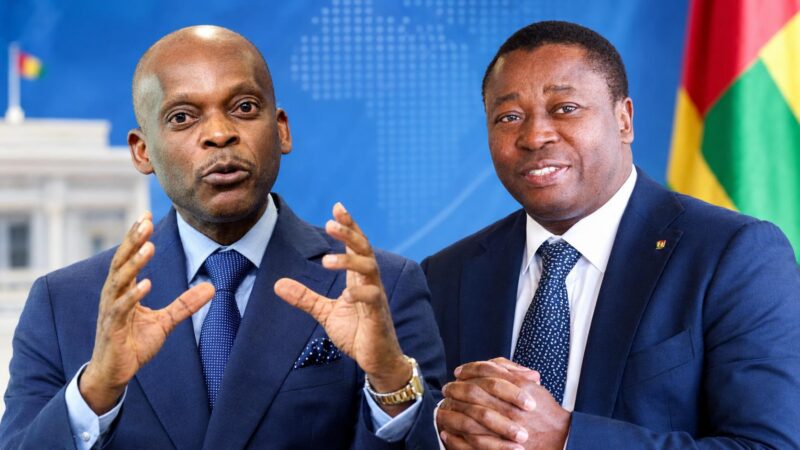
President Faure Gnassingbé has long championed a style of diplomacy that defies convention. While neighboring leaders prioritize rigid institutional alignment, he has consistently chosen to engage with dissenting factions, even when they clash with regional consensus.
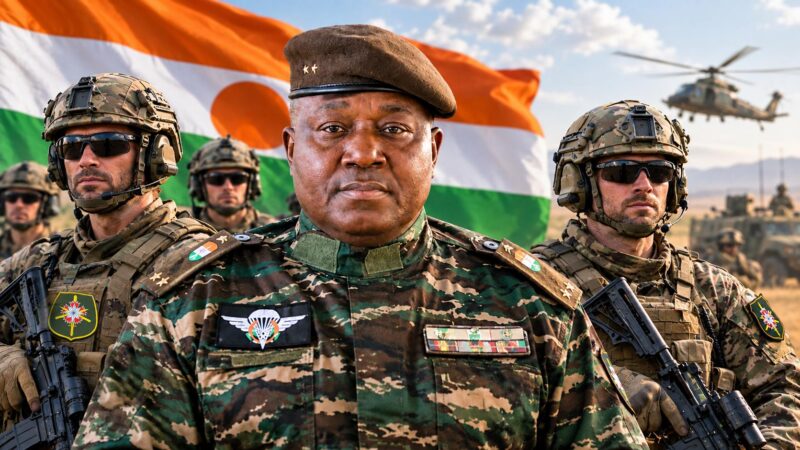
This approach—whether viewed as pragmatic or opportunistic—has defined Lomé’s stance during recent Sahel crises. When military coups upended governments in Mali, Burkina Faso, and Niger, the Economic Community of West African States (ECOWAS) responded with isolation and sanctions. Togo, however, broke ranks. Lomé became the go-to mediator for the putschists of the Alliance of Sahel States (AES), hosting Bamako’s and Niamey’s leaders and challenging ECOWAS’s unified front. Now, by entertaining the FLA’s overtures, Togo is applying the same logic to a movement that directly opposes Mali’s transitional authorities—a paradox that highlights Lomé’s consistent strategy: to be the indispensable bridge for every transition and rebellion in West Africa.
The FLA recognition and its regional fallout
The impending recognition of the FLA is unlikely to sit well with Bamako’s transitional government, which may interpret Lomé’s move as direct interference in its internal affairs or even as tacit support for regional destabilization. For ECOWAS, already strained by the schism with Sahel states, Togo’s initiative risks further fracturing the bloc’s solidarity.
This bold diplomatic maneuver underscores a broader truth: the region’s traditional principles of non-interference and border inviolability are giving way to a more fluid, pragmatic geopolitical reality. As Togo prepares to recognize the FLA amid its regional tour, Lomé cements its status as West Africa’s diplomatic laboratory—where bold risks and unconventional alliances redefine the rules of engagement.
Will Lomé’s gamble pay off or backfire?
Faure Gnassingbé’s strategy hinges on anticipation. By engaging with marginalized groups and excluded actors, Lomé aims to position itself as a neutral yet audacious mediator. The question remains: will this policy of outreach strengthen Togo’s influence, or will it isolate the country in an increasingly fragmented region? One thing is certain—the FLA’s recognition is a high-stakes gamble that could reshape the balance of power in West Africa.