Tchad pioneers drone technology for agriculture and conservation
Tchad pioneers drone technology for agriculture and conservation
The first edition of Café Drone in Tchad highlights how civilian drones are transforming agriculture, livestock farming, and environmental management. Industry leaders address regulatory hurdles, workforce training, and scalable adoption.
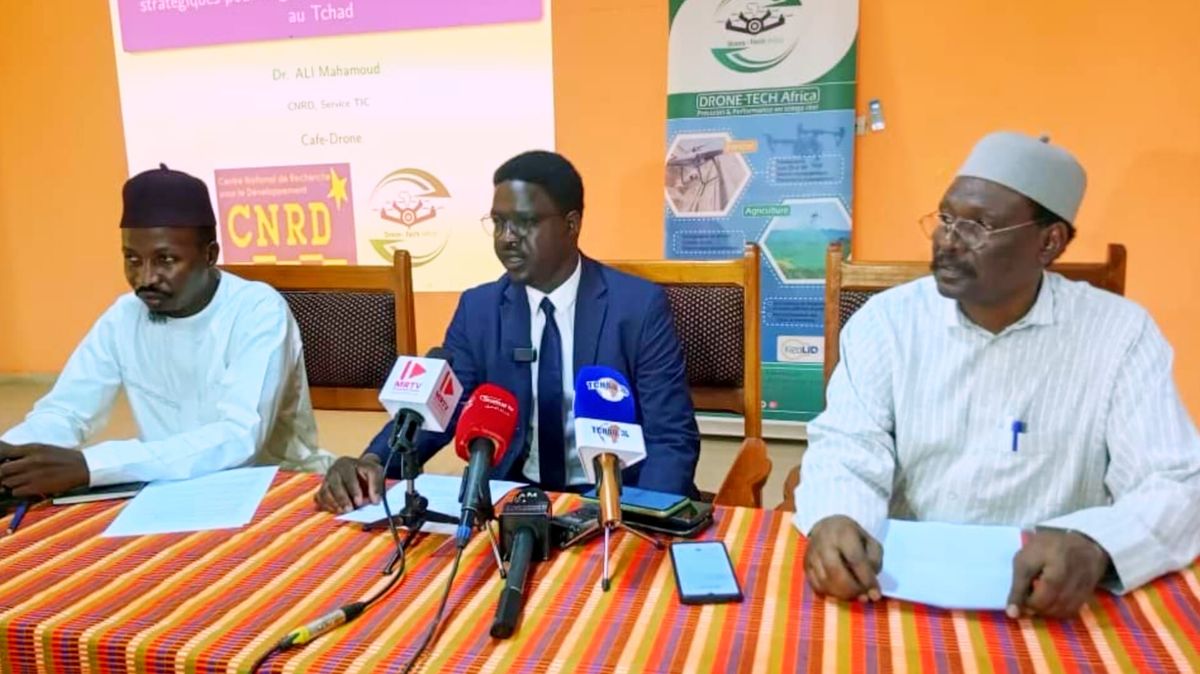
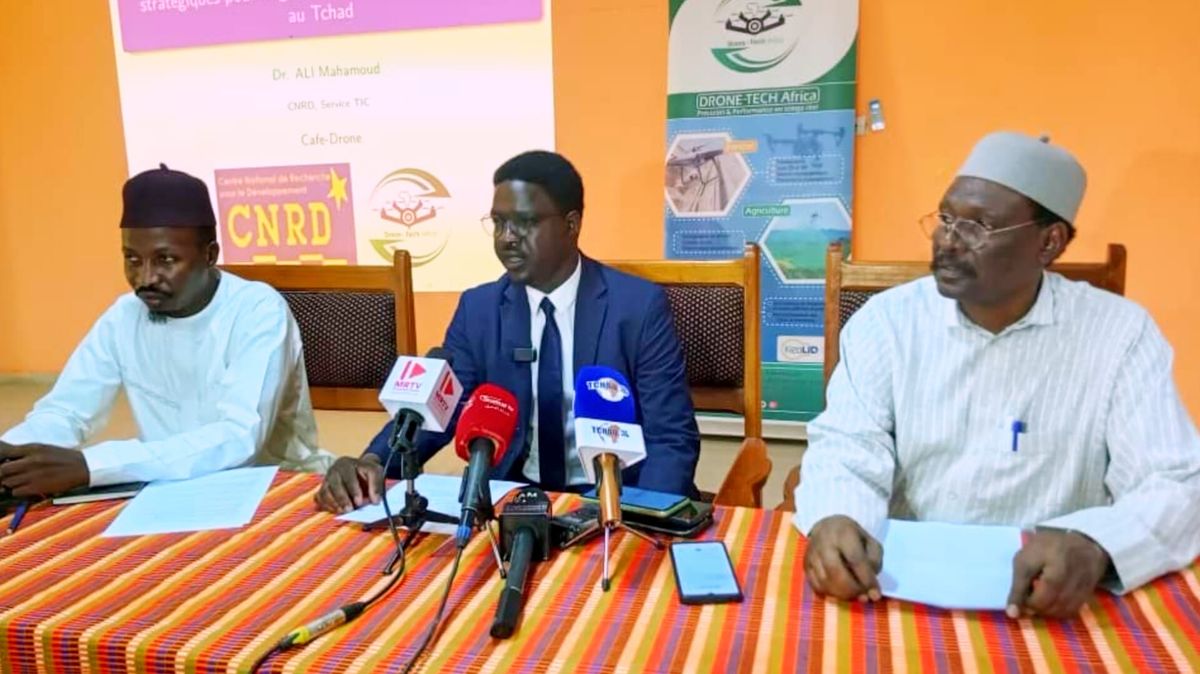
N’Djamena hosted the inaugural Café Drone, uniting drones specialists, researchers, and policymakers to explore how unmanned aerial technology can address Tchad’s most pressing challenges.
The event, held on June 25, 2026, at the National Centre for Development Research (CNRD), was organized by Tech Africa, Tchad FlyingLabs, WeRobotics, and the CNRD under the theme “Civilian Drone Opportunities: Shaping the Future of Tchad.”
At the opening, Professor Mahamoud Youssouf Khayal, Director-General of the CNRD, emphasized that Tchad’s vast landscapes and logistical constraints make drone technology not just innovative, but essential. “Drones have evolved from futuristic concepts to indispensable tools in agriculture, environmental monitoring, and rapid crisis response,” he noted. “Our nation’s size and resource demands demand solutions that deliver speed, precision, and accessibility—and drones provide exactly that.”
Bridging technology with real-world needs
The CNRD chief outlined three critical pillars for successful drone integration in Tchad:
- Regulatory clarity: Developing policies that balance safety with innovation to encourage private-sector participation and public trust.
- Workforce development: Equipping young professionals with skills in drone operation, data analysis, and AI-assisted agriculture.
- Cross-sector collaboration: Fostering partnerships between government agencies, research institutions, and startups to scale solutions nationwide.
He praised the initiative as a milestone for national research, calling it “a living lab where theory meets action.”
From Burkina Faso to Guéra: lessons from the field
Mahamat Issa Abakar, founder of Drone Tech Africa, showcased drone-enabled agricultural projects in Burkina Faso and Tchad’s Guéra region—specifically in Mongo, Baro, and Tabo. A drone-assisted study of women-led farming initiatives revealed promising results: optimized resource use and projected yield increases of up to 30%. “These aren’t just numbers,” Abakar said. “They represent food security, economic independence, and resilience for rural communities.”
AI and conflict prevention: drones as peacebuilders
Ali Mahamoud, Head of Service at the CNRD, highlighted how drones are redefining environmental stewardship and social cohesion. “In Zakouma National Park, drones monitor wildlife and detect poaching in real time. Along transhumance corridors, they map water access points, reducing clashes between farmers and herders during the dry season,” he explained. “Beyond conservation, drones are giving us the data we need to anticipate crises before they escalate.”
Mahamoud also pointed to mining prospecting and gold detection as emerging applications, underscoring the technology’s role in economic diversification.
Space meets sky: satellite-drone synergy
Dr. Djimassal, a senior researcher at the CNRD, demonstrated how combining satellite imagery with drone data enhances environmental mapping. “From mapping river systems to tracking deforestation in northern Tchad, the fusion of satellite and drone data gives us a holistic view of our ecosystems,” he said. “It’s not just about seeing the land—it’s about understanding it, protecting it, and planning for its future.”
Following the presentations, a panel discussion allowed attendees to debate policy gaps, funding mechanisms, and pilot programs to accelerate drone adoption across sectors.
The event closed with a call to action: to draft a national drone strategy that leverages local innovation while aligning with global best practices. “This isn’t just about technology,” said a CNRD coordinator. “It’s about building a smarter Tchad—one flight at a time.”