Six activists from PDCI released after nine months in detention
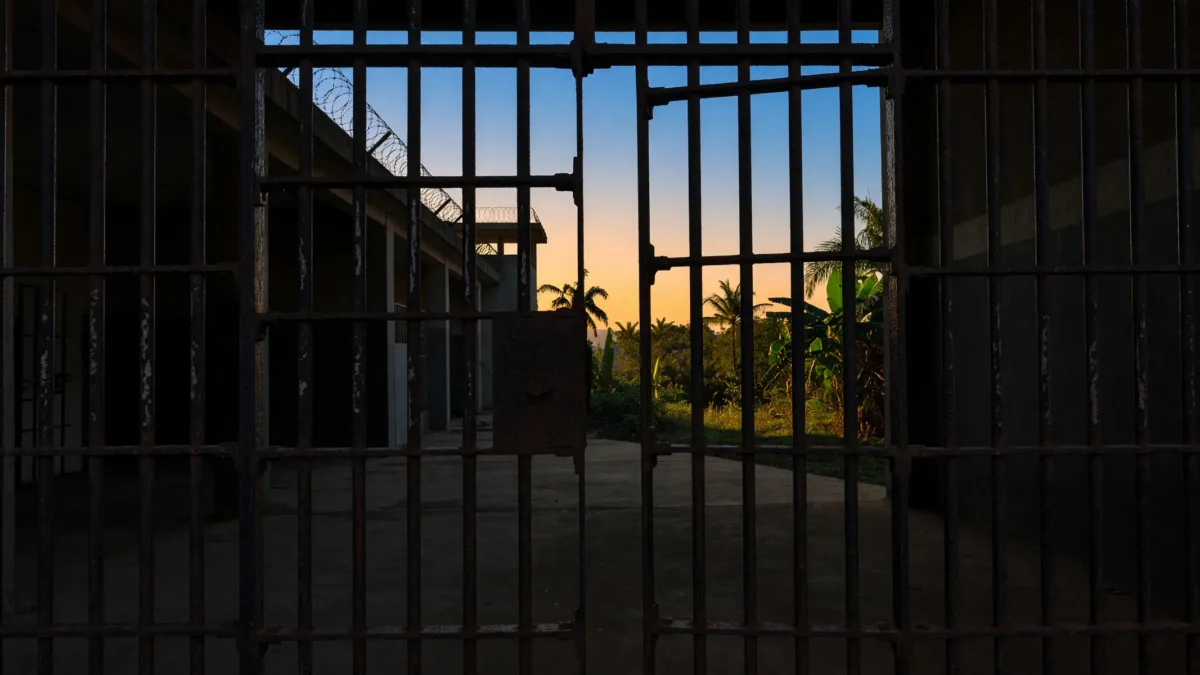
Six local leaders of the Democratic Party of Côte d’Ivoire (PDCI-RDA) walked free on Monday, July 20, 2026, after spending nine months behind bars. Their release was ordered by the Abidjan antiterrorism court, as announced by their legal representative, Me Ange Rodrigue Dadjé, via a social media post. The six individuals—Allo Pacôme Didier, Kouleon Manhenin, N’Cho Gnangoran, Mabo Koffi Jean-Marc, Ouattara Kinjinlman, and Niangoran N’Guessan Édouard—were detained between late September and early October 2025, coinciding with the heated presidential election campaign.
Arrests amid election turmoil
The six activists were taken into custody during a highly polarized presidential race in 2025, a vote marred by sharp divisions between the ruling party and the opposition. Initial allegations, as outlined in court filings, included suspicions of plotting against the state and inciting unrest. At the time, the PDCI condemned the arrests as unlawful, arguing that due process was violated during their detention. The government, however, insisted that all legal proceedings adhered strictly to standard judicial procedures and were not politically motivated.
The antiterrorism court, a specialized judicial body established in 2016, oversaw the case for nearly ten months before deciding to release the detainees. While the ruling does not necessarily imply a dismissal of charges, it marks a significant development in a process that had drawn widespread scrutiny.
Broader pattern of releases for opposition figures
Their release follows a recent wave of freedom for other opposition members. Earlier in the month, figures such as Moïse Lida Kouassi and Ibrahim Zigui were also set free. These consecutive releases have fueled speculation about a potential shift in Côte d’Ivoire’s political climate, particularly as the country emerges from a contentious electoral period.
Despite these developments, the Ivorian government has not issued any formal statements indicating a broader gesture of reconciliation. Authorities continue to emphasize that all cases remain under judicial review, with no political interference. Observers, however, suggest that these releases could signal a subtle but meaningful change in how opposition-related cases are handled in the country.
Côte d’Ivoire’s ongoing political tensions
Côte d’Ivoire, the largest economy in the West African Economic and Monetary Union (UEMOA), has long been under international watch since the post-election crisis of 2010-2011. Political tensions frequently escalate around election cycles, as seen in the 2020 presidential vote, which led to deadly clashes and the detention of several opposition leaders.
The PDCI-RDA, founded by the late Félix Houphouët-Boigny and once a dominant force in Ivorian politics, now stands as a key opposition party under President Alassane Ouattara, who secured re-election in 2020 for a third term that was widely disputed. The question of democratic transition and political inclusivity remains a central issue, especially as the country gears up for upcoming local and legislative elections.
Legal aftermath and political implications
Me Ange Rodrigue Dadjé, the attorney representing the six activists, welcomed the court’s decision but did not clarify whether it amounted to a dismissal of charges, a suspended prosecution, or a provisional release pending trial. While official channels have acknowledged the ruling, no further details on the judicial process have been disclosed.
The PDCI has yet to issue an official statement regarding the release. The six former detainees, who held key roles in the party’s regional operations, are expected to resume their political activities in the coming days. Whether this ruling heralds further acts of political openness or remains an isolated judicial decision remains to be seen, particularly as the nation watches for signs of evolving governance practices.