Senegal’s PM reviews stalled infrastructure projects amid governance concerns

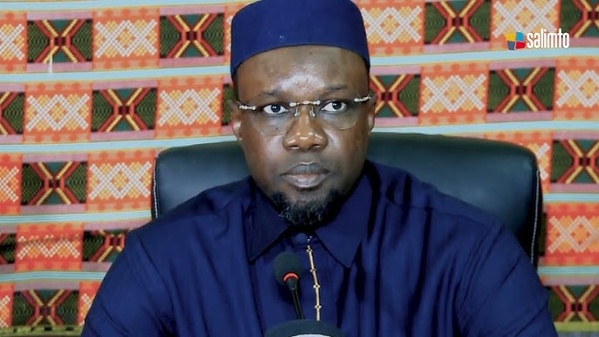
A comprehensive assessment of public infrastructure projects across Senegal has uncovered 245 stalled assets and initiatives, revealing significant inefficiencies in execution and utilization. Prime Minister Ousmane Sonko presented these findings during an interministerial infrastructure review, highlighting the need for urgent corrective action.
Four key categories of infrastructure challenges
The audit identified four distinct categories of infrastructure-related issues requiring immediate attention:
- Dormant completed projects: 30 projects have been finalized but remain unused, with 25 facing legal or administrative blockages. The frozen investment in these stalled assets totals 279 billion CFA francs. Fifteen of these projects are classified as high-priority due to their financial impact and critical nature.
- Unused operational assets: 23 completed infrastructure projects, valued at 1,065 billion CFA francs, are underutilized across eight sectors and managed by 13 different entities. These could be repurposed or upgraded for greater efficiency.
- Ongoing projects requiring completion: 94 infrastructure initiatives remain unfinished, with 62 currently blocked. The total investment in these projects stands at 5,227 billion CFA francs, requiring an additional 973 billion CFA francs to reach completion.
- Recyclable state-owned properties: 97 government properties—91 located in Dakar—hold potential for redevelopment. These assets have an estimated market value of 132 billion CFA francs, with renovation costs totaling 12.1 billion CFA francs.
Root causes of project delays and blockages
Sonko outlined multiple factors contributing to the stagnation of infrastructure projects, including:
- Financial constraints: 42 projects face delays due to insufficient investment funds, unpaid invoices, or outright payment defaults, leading to halted construction and missing operational budgets.
- Technical and coordination failures: 18 projects are delayed because of poor synchronization between stakeholders, particularly between project owners and utility providers (water, electricity, telecommunications). Issues include incomplete technical work, delayed deliveries, missing equipment, and unresolved site clearances.
- Legal and administrative hurdles: 14 projects are mired in disputes, canceled contracts, unresolved administrative procedures, or missing institutional frameworks. Conflicts over land use and unresolved agreements further exacerbate delays.
- Operational oversights: 13 projects, some completed years ago, lack viable operational or management models, rendering them unusable despite their completion.
Proposed solutions and accountability measures
In response to these challenges, Sonko announced decisive measures to address inefficiencies and prevent future setbacks:
- Establishment of a dedicated committee: A new task force at the Prime Minister’s office will oversee the finalization of the infrastructure audit and propose actionable solutions.
- Demand for a comprehensive review: The Prime Minister called for an expanded inventory of infrastructure projects, acknowledging that the current assessment is not exhaustive.
- Proactive technical planning: Ministries have been instructed to anticipate challenges related to utility connections (water, electricity) during the planning phase of new projects.
- Zero-tolerance policy: Sonko emphasized the need for strict accountability, condemning negligence and lax oversight as primary contributors to project failures. He stressed that such inefficiencies result in “massive losses” for the country.
Broader implications for Senegal’s infrastructure governance
The findings underscore systemic issues in Senegal’s infrastructure development, from planning to execution. The Prime Minister criticized the practice of constructing infrastructure without considering its operational viability, a recurring issue in the stalled projects. Sonko’s call for “zero tolerance” reflects a broader commitment to improving governance and ensuring that public investments yield tangible benefits for citizens.
The government’s next steps will focus on unlocking the potential of these assets, whether through completion, repurposing, or redevelopment, to maximize their societal and economic impact.