Senegal’s Ousmane Sonko explains why Pastef declined government participation
Senegal’s Ousmane Sonko explains why Pastef declined government participation
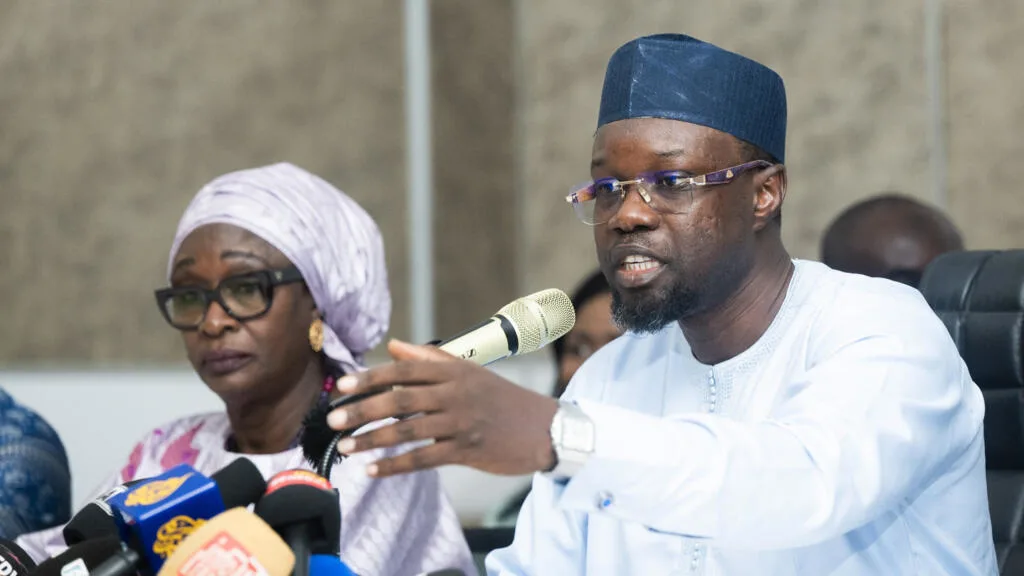
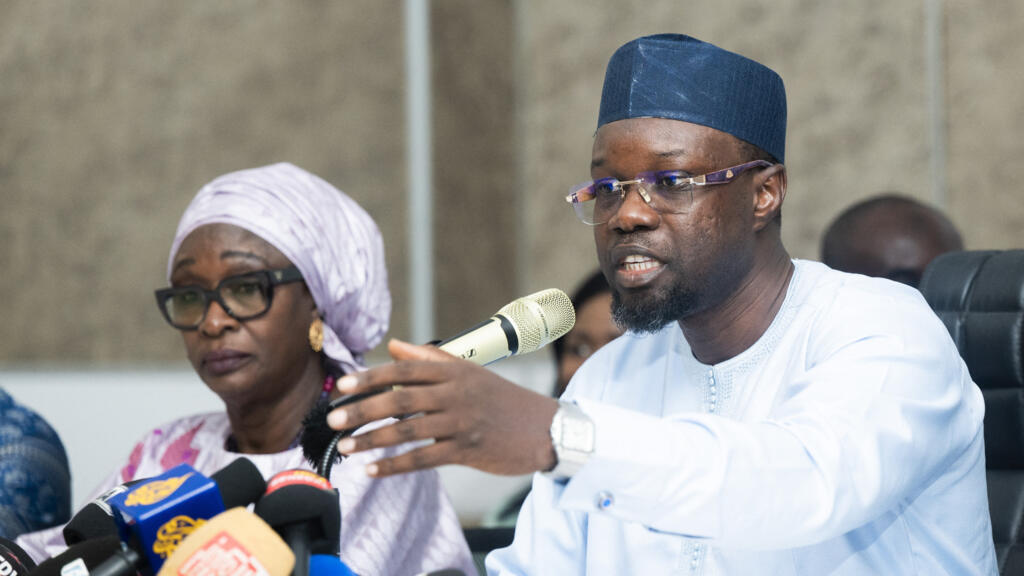
On June 2, Ousmane Sonko, Senegal’s former Prime Minister and leader of the Pastef party, held a press conference in Dakar to clarify why his party chose not to join the newly formed government announced the previous day by President Bassirou Diomaye Faye’s administration.
Tensions arose over critical policy disagreements and disputes regarding the allocation of ministerial portfolios. Sonko emphasized that the irreconcilable differences with the president’s team centered on key priorities outlined in the Pastef agenda.
Among the sticking points were demands for assurances on judicial reforms, fiscal transparency, and the renegotiation of strategic national contracts—particularly concerning the management of the country’s debt. Sonko stated that the president’s responses fell short of providing the necessary commitments, leaving the party unconvinced.
Sonko criticizes vague government responses
According to Sonko, the president acknowledged no formal agreements with the International Monetary Fund (IMF) regarding debt restructuring. On purchasing power, Faye suggested adopting market-based pricing for subsidized goods, while dismissing concerns about the judiciary by claiming Senegal boasts the world’s best justice system. Sonko dismissed these as half-hearted responses.
Regarding the distribution of ministerial positions, the Pastef leader stated he had made it clear to the president that his party would not participate in a government where it could not secure at least half of the cabinet roles.
Sonko also expressed concerns over the legitimacy of the new administration, noting that only five ministers in the lineup were former members of his party—but without official recognition from Pastef. Despite these grievances, he assured that his party would not initiate a no-confidence motion unless provoked by the government’s actions first.