Senegal: ousmane sonko explains pastef’s refusal to join new cabinet
Senegal: Ousmane Sonko explains why Pastef declined cabinet participation
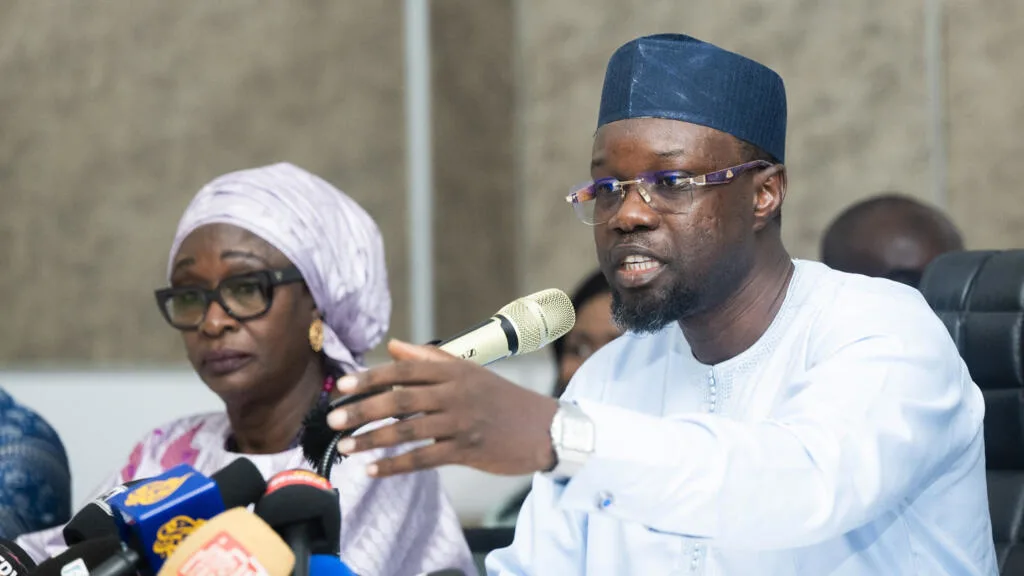
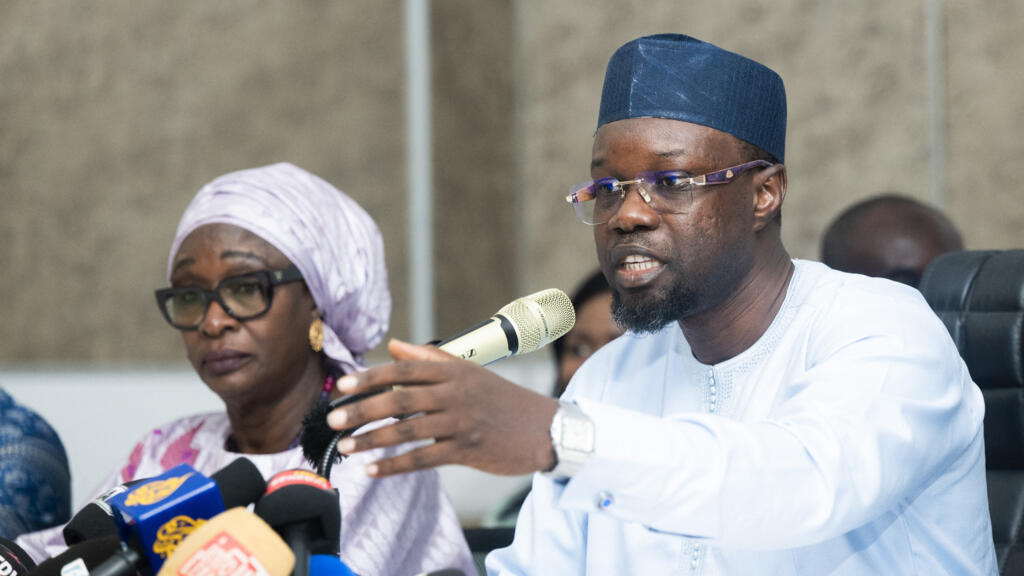
Speaking from Dakar, our correspondent Léa-Lisa Westerhoff gathered the key points from the press conference held by former Prime Minister Ousmane Sonko on June 2, where he addressed the Pastef party’s decision to decline participation in the newly formed government announced the previous day by President Bassirou Diomaye Faye’s administration.
Sonko outlined the deep-seated disagreements between Pastef and the government, highlighting irreconcilable differences over policy priorities and the allocation of ministerial portfolios. The former premier stressed that the party had sought assurances from the president on critical issues central to their political platform—including judicial reform, fiscal transparency, and renegotiation of key national contracts—but found the responses unsatisfactory, particularly regarding debt management strategies.
Half-hearted responses
«We engaged in discussions, and the president confirmed no commitments have been made by him or his finance minister to restructure the debt in alignment with IMF recommendations,» Sonko stated. He added that on purchasing power, the government merely suggested applying true prices to subsidized goods where feasible, while dismissing concerns about the judiciary by asserting Senegal boasts the world’s best legal system. «All these responses were lukewarm at best,» he remarked.
On the allocation of ministerial positions, Sonko made it clear to the president that the Pastef would not endorse a cabinet «where it cannot secure at least half of the key portfolios.» This stance, he argued, reflected the party’s commitment to meaningful political representation rather than token participation.
While criticizing the government’s limited inclusion of five Pastef-affiliated ministers—who, he noted, lack official party endorsement—Sonko clarified that the party would not initiate a no-confidence motion unless provoked by the administration’s actions first.