Senegal’s energy transition takes center stage at Dakar’s environmental summit
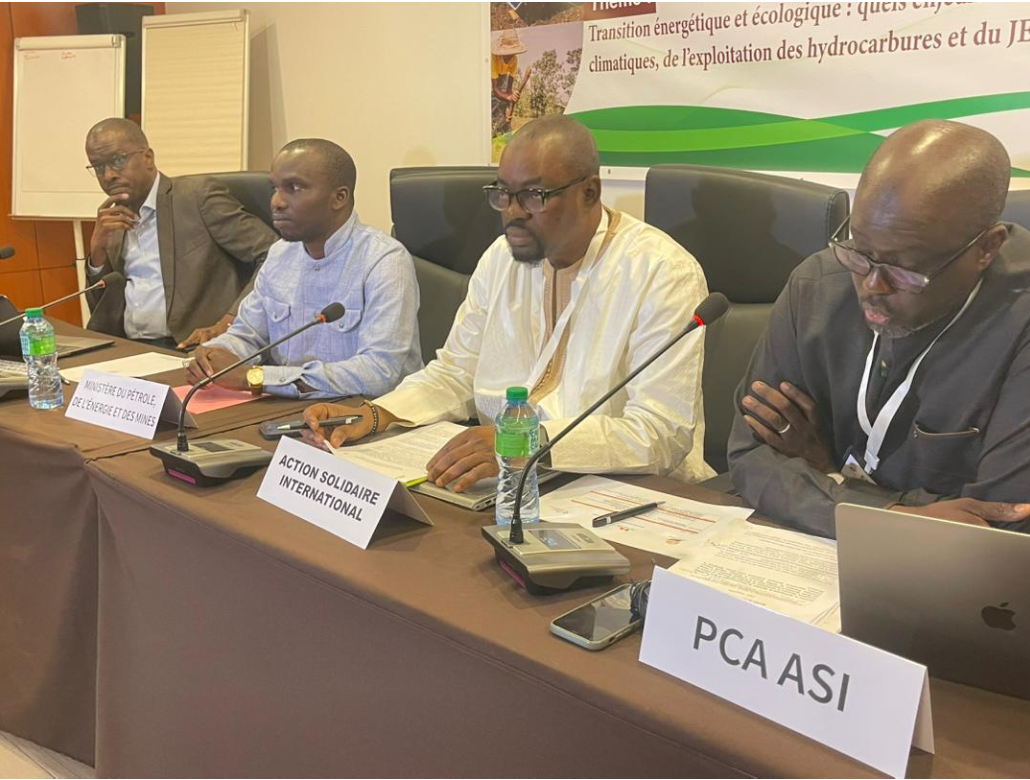
Dakar hosts pivotal discussions on Senegal’s ecological future
Dakar became the epicenter of environmental and energy discourse this week as the fourth edition of the Environment and Energy University kicked off on May 19. The two-day gathering brought together scientists, policymakers, civil society leaders, and technical partners to dissect the nation’s pressing ecological challenges and chart a sustainable energy trajectory.
The event unfolded against a backdrop of escalating climate impacts and the complexities introduced by the country’s emerging oil and gas sector. Senegal now faces the dual imperative of harnessing new hydrocarbon resources while meeting its renewable energy commitments—a balance that dominated conversations throughout the summit.
Opening ceremony sets the tone for urgent action
Led by Dr. Elhadji Ndiaye, representing the Minister of Petroleum, Energy and Mines, the opening ceremony underscored the event’s mission to foster dialogue and collaborative solutions. In his address, Dr. Ndiaye emphasized the strategic importance of energy in driving economic productivity, fostering innovation, and improving livelihoods.
He framed environmental and energy challenges as cross-cutting priorities, declaring, “These issues are no longer confined to sectoral silos. They now define economic, social, and sustainable development agendas.”
Civil society urges accelerated ecological transition
Mamadou Barry, President of Action Solidarité Internationale and coordinator of the summit, sounded the alarm on the accelerating climate crisis. He highlighted Senegal’s vulnerability to recurrent flooding, coastal erosion, and agricultural losses, stressing the need for immediate policy shifts.
“Our development models must evolve,” Barry asserted. “The country’s new oil and gas era cannot come at the expense of renewable energy progress. We need a resilient, sovereign path forward.”
He also called for greater inclusion of climate-affected communities in policy-making, ensuring their voices shape the nation’s environmental strategy.
Renewable energy and hydrocarbon development: finding equilibrium
The summit served as a platform to reconcile Senegal’s energy ambitions with global climate obligations. Discussions explored how to leverage new hydrocarbon revenues to fund renewable energy infrastructure, ensuring both economic growth and ecological integrity.
Experts presented case studies on integrating solar, wind, and bioenergy into national grids, while addressing the technical and financial hurdles of scaling these solutions.
The event concluded with a call for concrete action, emphasizing that Senegal’s energy future hinges on balancing immediate economic needs with long-term sustainability goals.