Rivalry in Sambisa forest as Boko Haram factions clash
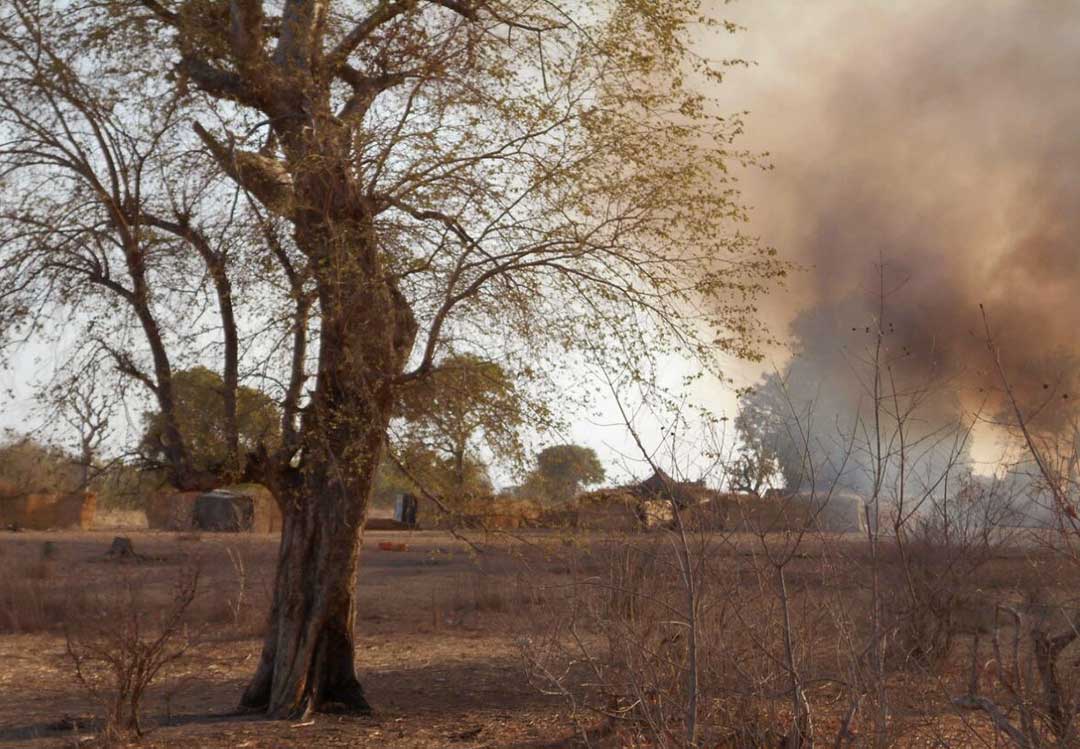
Escalating conflict in Sambisa: Boko Haram factions battle for control
Once a thriving 60,000-square-kilometer natural reserve in Nigeria’s North-East, the Sambisa forest now lies ravaged by conflict. Wildlife has vanished, replaced by two armed groups locked in a deadly struggle—Boko Haram’s Sunni Group for Preaching and Jihad (JAS) and the Islamic State’s West Africa Province (ISWAP)—both vying for dominance since their 2016 split.
The strategic heart of insurgency
With its dense canopy and sprawling terrain, Sambisa remains a critical stronghold for launching attacks and controlling illicit supply routes. The forest’s rugged landscape provides ideal cover for militants to regroup, plan, and launch offensives against Nigerian forces and the Multinational Joint Task Force (MNJTF).
A rivalry born of survival
Despite their bitter feud, both factions have demonstrated remarkable resilience. JAS initially emerged as a survivalist movement after Boko Haram fractured, yet it has retained formidable operational capacity. Security analyst Zagazola Makama, based in Borno, reports intensified clashes in and around Sambisa, with both sides claiming heavy losses—though these claims remain unverified.
“The ferocity of their rivalry now rivals their broader insurgency against state forces,” Makama noted in a recent assessment, highlighting how internal conflict has become a parallel threat to regional stability.
Diverging tactics, shared brutality
While JAS continues to rely on abductions, looting, and indiscriminate violence, ISWAP has shifted focus toward territorial control, taxation, and governance—albeit through brutal means. Both groups, however, maintain Sambisa and the Lake Chad islands as their primary bases.
- ISWAP’s expansion: Leveraging foreign fighters and greater territorial reach, ISWAP poses a more formidable challenge than JAS in open confrontations.
- JAS’s adaptability: Despite numerical inferiority, the group’s decentralized networks and deep local ties allow it to persist even under military pressure.
Regional fallout and long-term risks
Since Boko Haram’s 2009 uprising, the conflict has spilled into neighboring Cameroon, Niger, and Chad, leaving over 40,000 civilians dead and displacing more than two million, according to UN estimates. The fragmentation of militant groups has further complicated counterterrorism efforts, with ISWAP and JAS now competing for influence rather than cooperating.
Security experts warn that the rivalry, while weakening overall insurgent cohesion, also creates unpredictable challenges. Nigerian and MNJTF forces, stretched thin by ISWAP’s military campaigns, may struggle to curb JAS’s resurgence in the shadows of Sambisa.
Can the stalemate be broken?
Analysts remain skeptical about a decisive resolution. ISWAP faces difficulty penetrating JAS’s Barwa stronghold, while proximity in the Lake Chad islands ensures inevitable clashes over resources and territory. “A prolonged deadlock is likely,” predicts Malik Samuel, senior researcher at Good Governance Africa, citing ISWAP’s superior manpower and operational reach as key obstacles for JAS.
Key takeaway: The Sambisa conflict underscores the evolving nature of Nigeria’s insurgency—where internal rivalries now rival external counterterrorism efforts in shaping the region’s security landscape.