Senegal’s economic fault lines: the sonko-faye policy clash
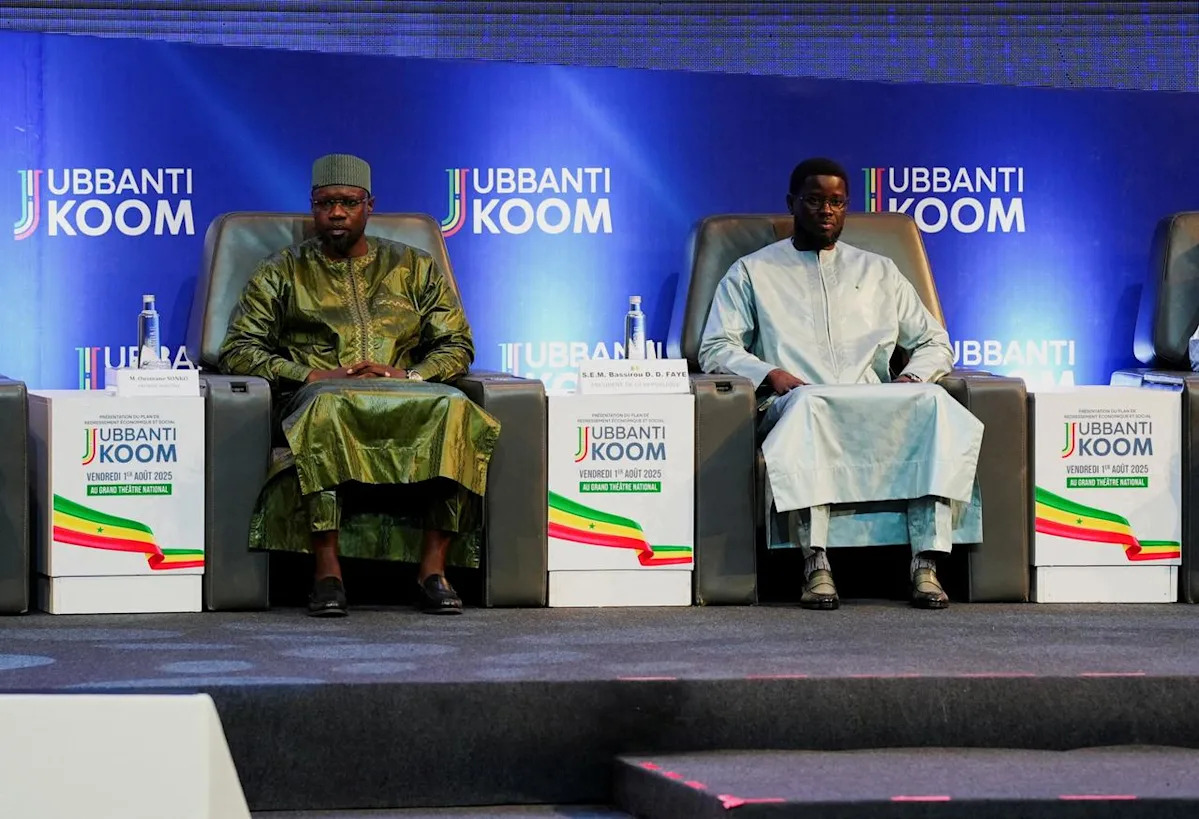
Sénégal : entre Sonko et Faye, les divergences sont surtout économiques
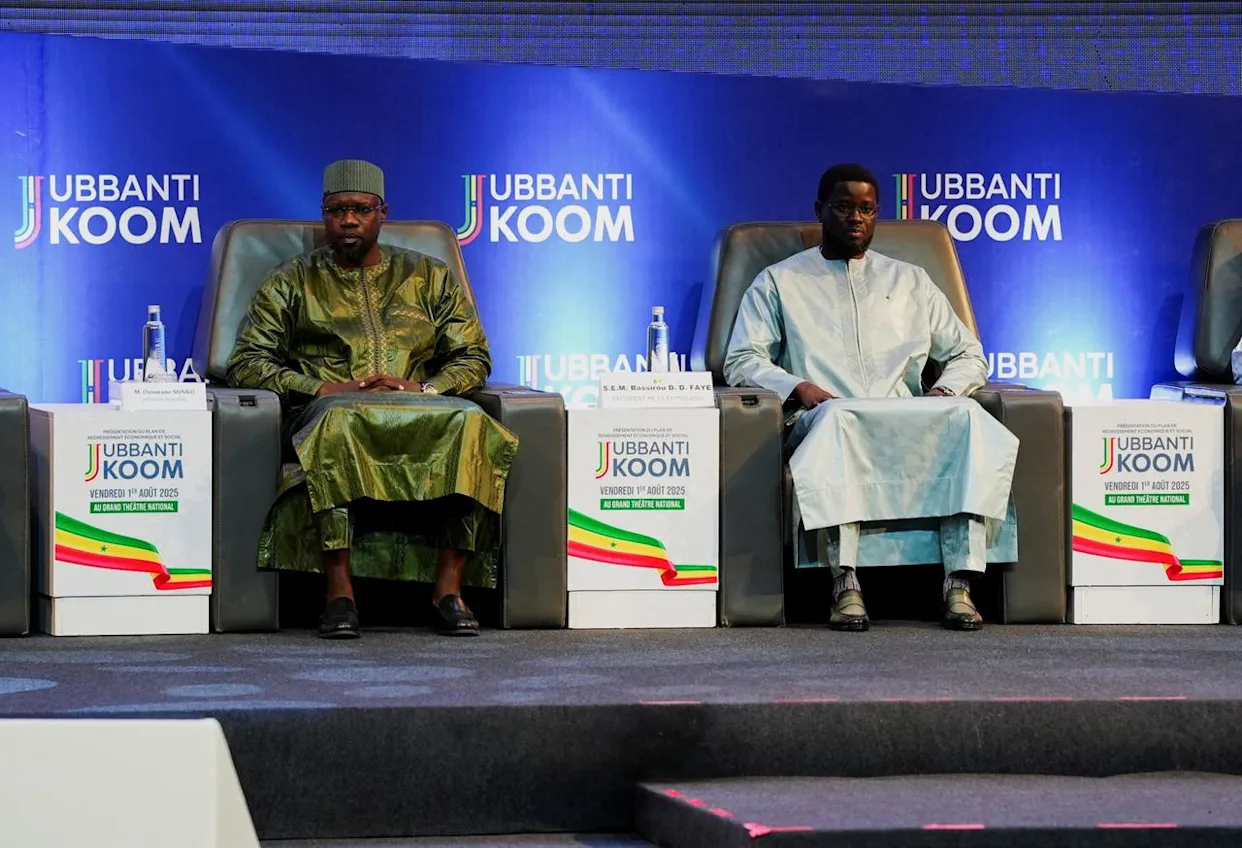
On May 23, 2026, President Bassirou Diomaye Faye’s decision to dismiss Prime Minister Ousmane Sonko marked a significant turning point in Senegalese politics. This move was not driven by personal rivalry but rather by an irreconcilable clash between two distinct economic visions that had coexisted under the same political banner for too long. Two years following the pivotal April 2024 election, which saw Faye assume the presidency and appoint Sonko as his premier, the nation’s leadership has fractured over three critical issues defining Senegal’s economic future: national debt, hydrocarbon resource management, and the fundamental approach to capital funding for national development.
The national debt: a primary point of divergence
The most apparent point of contention revolved around Senegal’s national debt. In September 2024, Ousmane Sonko publicly exposed the significant scale of undeclared liabilities accumulated during the previous Macky Sall administration. By March 2025, an International Monetary Fund (IMF) mission estimated approximately 7 billion euros in unrecorded financial commitments. This revelation pushed the nation’s true debt burden beyond 100% of its Gross Domestic Product. Servicing this debt demanded an staggering 5,500 billion CFA francs, equivalent to 8.4 billion euros, annually. Furthermore, the yearly refinancing requirement neared 6,000 billion CFA francs, or 9.1 billion euros. The country’s sovereign credit rating suffered three downgrades within a twelve-month period, reflecting the severity of the fiscal situation.
Against this challenging backdrop, two divergent strategies emerged. Sonko firmly rejected any form of debt restructuring, instead focusing his public discourse on denouncing the financial mismanagement of the preceding government. His communication resonated with the general public, the Senegalese diaspora, and his fervent political base, making him unwilling to compromise his legitimacy by agreeing to terms with international institutions like those in Washington. Conversely, President Faye pursued a different path. He actively engaged with the IMF, hosting their delegation in November 2025, and initiated a crucial national dialogue in May 2026 to address the crisis.
The economic realities were stark: a suspended program valued at 1.55 billion euros, blocked access to international financial markets, and the looming threat of a sovereign default by 2028. These factors rendered Sonko’s hardline economic stance unsustainable, even as it served as a powerful political tool to rally support for Pastef, the majority party he founded in 2014.