Senegal’s debt strategy: El Malick Ndiaye rejects restructuring amid economic challenges

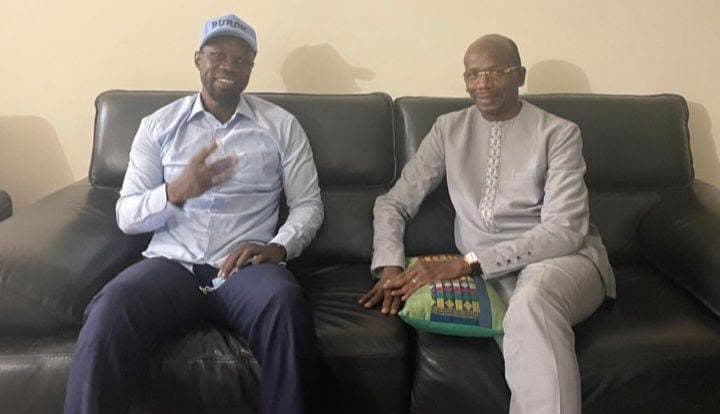
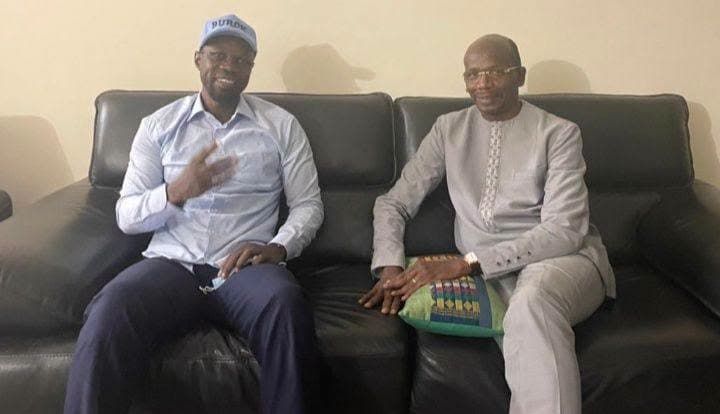
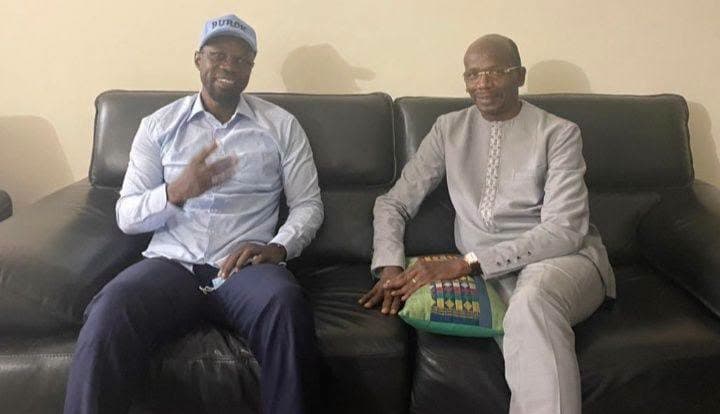
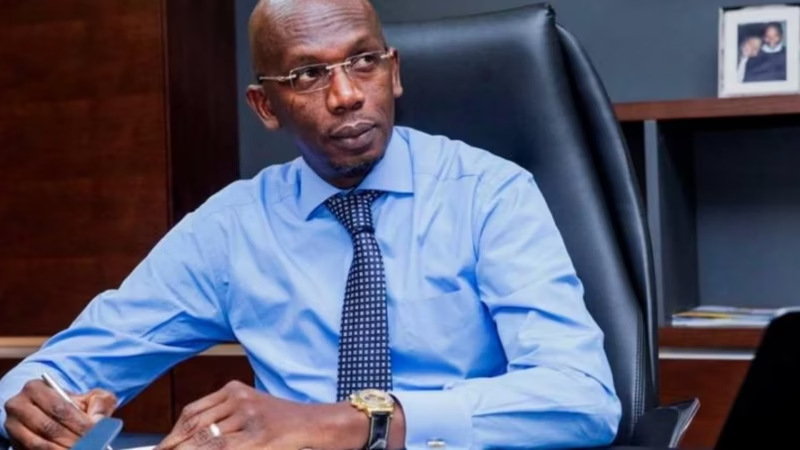
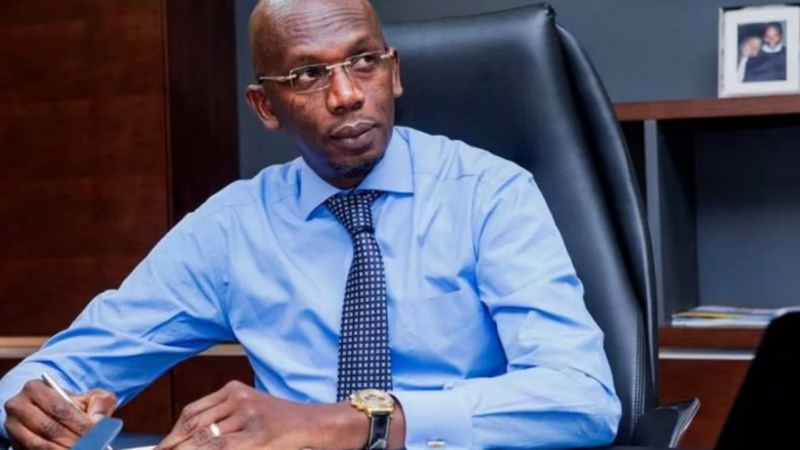
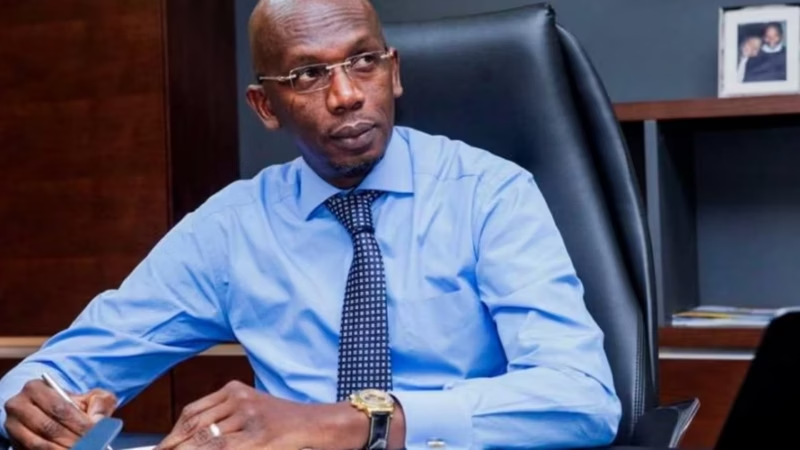
Senegal’s highest authorities have firmly outlined their stance on public debt. El Malick Ndiaye, President of the National Assembly, used a recent gathering in Dakar to reiterate the government’s categorical refusal to restructure its sovereign debt. Instead, Dakar advocates for a sovereign approach, prioritizing internal adjustments over negotiations with creditor groups. This position aligns with the executive’s longstanding discourse, especially after the revelation in late 2024 of a debt burden higher than previously reported.
Political resolve against debt restructuring
The rejection of restructuring has emerged as a defining feature of the economic doctrine shared by President Diomaye Faye and Prime Minister Ousmane Sonko. For Senegalese authorities, initiating renegotiations could signal a de facto default, undermining the country’s credibility in global financial markets. El Malick Ndiaye reinforced this stance by asserting that Senegal possesses the necessary domestic tools to meet its obligations. He framed the decision as a political statement, transcending mere fiscal arithmetic.
This position contrasts sharply with the recommendations of multilateral partners like the International Monetary Fund (IMF), whose program with Senegal has been on hold since the debt figures were revised. The Fund has repeatedly emphasized the need for a sustainable fiscal path. Meanwhile, credit rating agencies have downgraded Senegal’s sovereign rating multiple times in recent months, further increasing the cost of borrowing on international markets.
Sovereign debt management: balancing ambition and constraints
The sovereign management strategy advocated by El Malick Ndiaye hinges on a mix of measures already outlined by the government. These include broadening the tax base, optimizing public spending, renegotiating unbalanced contracts, and boosting revenue from hydrocarbon projects. While these tools are comprehensive, their short-term impact remains uncertain. Oil production from the Sangomar field and gas from Grand Tortue Ahmeyim are expected to bolster state coffers, but they alone may not reverse the rising debt trend.
The debt-to-GDP ratio, recalculated by the Audit Court, now exceeds the thresholds set by the West African Economic and Monetary Union (WAEMU). In this context, Senegal’s strategy aims to free up budgetary space without alienating traditional creditors. The challenge is intensified by the growing share of revenue consumed by debt servicing, which squeezes public investment in critical social and infrastructure sectors.
Sending a message to markets and citizens
El Malick Ndiaye’s remarks were directed at multiple audiences. To international investors, he signaled that Senegal remains a reliable borrower, committed to honoring its obligations without resorting to formal default mechanisms. Domestically, he reaffirmed the campaign promise of breaking free from financial dependency models. Regionally, the message reinforced a narrative of economic autonomy, a topic of rising importance across West Africa.
The success of this approach will depend on the government’s ability to deliver measurable results in revenue mobilization and expenditure control in upcoming budget laws. The potential resumption of an IMF program—albeit in a non-traditional form—remains a closely watched variable by markets. Some African economists suggest that a technical compromise, distinct from formal restructuring, could eventually become necessary to restore access to concessional financing.
For El Malick Ndiaye, the stakes extend beyond public accounting. The goal is to validate a sovereign economic management model aligned with the discourse championed since the Pastef party took office. He underscored that the position reflects a long-term vision, rejecting any short-term interpretation of Senegal’s strategy.