Senegal’s 2026 agricultural campaign: Sonko targets key reforms for food sovereignty
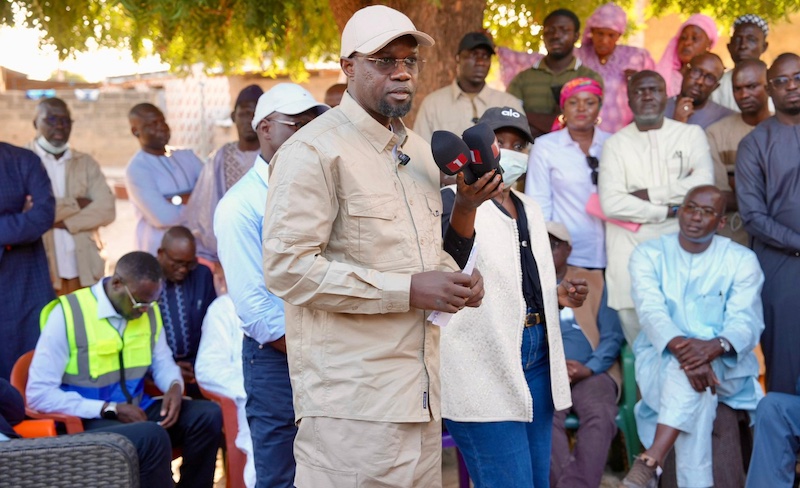
In a decisive move to strengthen Senegal’s food independence, Prime Minister Ousmane Sonko has outlined a comprehensive roadmap for the 2026-2027 farming season. During a high-level cabinet session, he assessed both the sector’s progress and lingering structural obstacles that continue to hinder the nation’s quest for agricultural self-sufficiency.
The Prime Minister commended key national institutions—the Senegalese Institute of Agricultural Research (ISRA) and Chemical Industries of Senegal (ICS)—for their contributions to certified seed and fertilizer production. Yet, he also spotlighted critical gaps that demand urgent attention, including repeated shortfalls in seed autonomy, inconsistent product quality from the last harvest, and systemic flaws in producer targeting mechanisms.
Critical priorities to transform Senegal’s agricultural landscape
Sonko’s directives target three interconnected challenges: bridging the seed production gap, improving access to affordable agricultural credit, and modernizing storage infrastructure nationwide. These reforms aim to eliminate recurring inefficiencies that have long undermined productivity and market stability.
Digital innovation to curb fraud and enhance transparency
The government is fast-tracking the digitization of the agricultural supply chain, building on successful pilot programs in Tivaouane and Nioro. This technological leap is designed to eliminate the diversion of inputs—a persistent issue—and ensure fair distribution across all regions. In parallel, transparent pricing and rigorous monitoring of subsidies will be enforced until a full restructuring of support systems is implemented.
Mechanization and credit access: unlocking rural potential
Addressing another critical bottleneck, Sonko highlighted the need for better maintenance of farming equipment and expanded credit facilities for smallholder farmers. By resolving these barriers, the administration seeks to empower producers with the tools and financial resources required to boost output and resilience in the face of climate and market volatility.