Senegal redefines African francophonie with bold governance vision
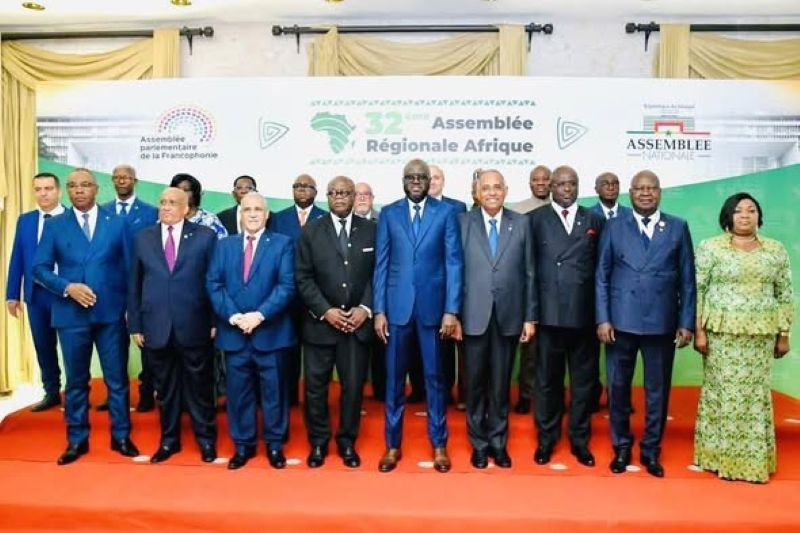
Dakar, May 19, 2026 — A high-stakes political gathering reshaped the future of African francophonie. The 32nd Regional Assembly of the Francophonie Parliamentary Assembly (APF) in Dakar marked a turning point, revealing deep shifts in Africa’s political landscape. Over three days, more than 200 parliamentarians and institutional leaders from thirty African nations transformed Senegal’s capital into a strategic hub for francophone Africa’s quest for sovereignty and global influence.
Against a backdrop of global geopolitical realignments, Sahel security crises, Middle Eastern tensions, and power rivalries, Dakar’s discussions went beyond mere diplomatic formalities. The core question emerged: How should francophone Africa position itself in the 21st century?
The theme, “Parliamentary francophonie facing sustainable development and democracy challenges in Africa,” served as a catalyst for broader reflections on the continent’s political, institutional, and strategic future.
Senegal champions a bold new francophone doctrine
The most impactful moment came from Senegal’s National Assembly President, El Malick Ndiaye. In a politically charged address, he championed an “assertive African sovereignty”, advocating for strong, credible parliamentary institutions capable of exercising genuine democratic oversight. His vision rejects a francophonie reduced to cultural or linguistic space, positioning it instead as a tool for strategic cooperation, political stability, and defense of African interests.
Ndiaye’s call for a more offensive parliamentary diplomacy resonated deeply. Key priorities identified included human security, extractive industry taxation, administrative cooperation, and democratic accountability—issues that will shape Africa’s political agenda for years to come. The message was clear: francophone Africa is no longer content to participate in global debates—it aims to set their agenda.
Gabon steps into the spotlight with strategic ambition
Gabon’s delegation, led by National Assembly President Michel Régis Onanga M. Ndiaye, made a strong impression. The country, engaged in a broader diplomatic repositioning, used the forum to push for reforms within the Francophonie Parliamentary Assembly, aligning it with modern African expectations. Libreville emphasized governance, democracy, and sustainable development as pillars of its engagement.
This participation reflects Gabon’s transition from passive diplomacy to active influence-building. The Francophonie is evolving into a competitive space where nations vie to advance their political and strategic visions—a far cry from its traditional cultural focus.
A francophonie at a crossroads
The Dakar debates exposed a silent existential crisis within institutional francophonie. Many African leaders argue that decades-old structures no longer align with today’s geopolitical realities. Sovereignty demands, democratic aspirations, persistent security threats, and economic pressures have reshaped expectations of international organizations.
The discourse has shifted from mere linguistic solidarity to a demand for equitable, strategic cooperation centered on security, economic growth, regional integration, and institutional stability. This transformation signals a major intellectual shift among francophone African elites—a new generation of leaders is determined to build institutions that defend African interests in an increasingly competitive world.
Dakar as a symbol of continental transformation
By hosting the APF assembly, Senegal reinforced its role as a rising political center in Africa’s new diplomacy. The capital’s selection was no coincidence; it followed the historic 2024 political transition and reflects a broader trend where African nations are redefining their ties with former colonial powers.
More than resolutions and official statements, the Dakar gathering symbolized a francophone Africa in strategic transition—one that seeks stronger institutions, secured interests, and a more independent voice in global affairs. The parliamentary francophonie has entered a new chapter, where sovereignty, democratic governance, and political power are central. African parliamentarians did not merely discuss the future of francophonie; they began to redraw the contours of a new African ambition.