Sénégal: president Bassirou Diomaye Faye dismisses Ousmane Sonko in major political shift
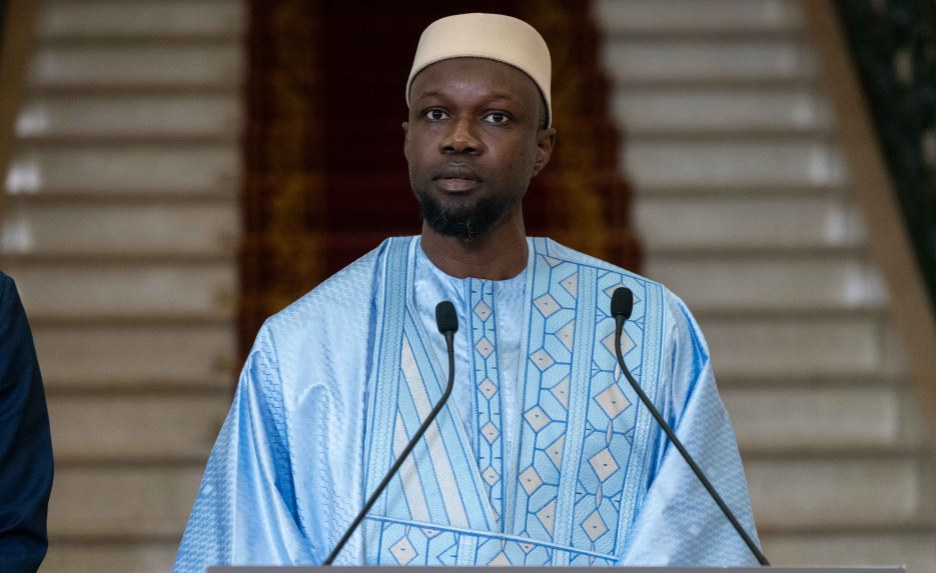
A massive political shift has hit Sénégal, sending ripples throughout the region. On Friday, May 22, 2026, President Bassirou Diomaye Faye officially removed Ousmane Sonko from his position as Prime Minister. This decisive action effectively dissolves the current cabinet and shatters the high-profile executive partnership that has governed the nation since the transition of power in April 2024.
Decree 2026-1128: The formal end of an alliance
The news broke late in the evening with the release of a significant official document. The Head of State signed presidential decree number 2026-1128, which immediately terminated Ousmane Sonko’s leadership of the government. In making this move, Bassirou Diomaye Faye relied strictly on the powers granted to him by the Constitution of Sénégal, specifically citing Articles 42, 43, 53, and 56.
This legal framework establishes the President as the primary guardian of the Constitution and the guarantor of institutional stability, providing him with the discretionary power to appoint or remove the Prime Minister. The first article of the decree states clearly: “the duties of Mr. Ousmane Sonko, Prime Minister of the Republic of Sénégal, are terminated.”
Following Article 2, the order takes effect instantly. Due to the constitutional structure of the government, the departure of the Prime Minister triggers the automatic resignation of all ministers and secretaries of state. However, the decree notes that the outgoing cabinet members are responsible for handling essential day-to-day administrative affairs until a new government is formed.
The history of a unique political duo
To understand the weight of this separation, one must look back at the unprecedented bond between the two men. Ousmane Sonko, the charismatic leader of the PASTEF party, had been the fiercest opponent of the previous administration. When legal challenges disqualified him from the 2024 presidential race, he orchestrated a brilliant strategic pivot.
While they were both incarcerated during a wave of political arrests, Ousmane Sonko chose his loyal lieutenant and party secretary general, Bassirou Diomaye Faye, to run as the candidate for their reformist movement.
Campaigning under the famous slogan “Diomaye is Sonko,” Faye became the vessel for the massive popular support surrounding the party leader. After being released under an amnesty law just days before the vote, the pair led a rapid campaign that resulted in a landslide victory for Bassirou Diomaye Faye in the first round on March 24, 2024.
Upon taking office on April 2, 2024, the new president appointed Ousmane Sonko as his Prime Minister. This marked a rare moment in African politics where a political mentor served as a formal subordinate to his own protege, creating a dual-headed leadership structure.
From cooperation to conflict: The roots of the split
Although the administration attempted to project an image of perfect harmony, the realities of governing soon exposed fundamental differences. Over time, two distinct visions for the country began to clash.
On one side, Ousmane Sonko maintained his role as a sovereignist ideologue and public orator, frequently taking hardline stances on international diplomacy, the renegotiation of oil and mining contracts, and breaking ties with traditional partners. On the other side, President Faye was increasingly occupied with the practical demands of macroeconomic stability, regional relations, and the need to maintain the confidence of global financial markets.
The first public signs of trouble appeared during a government reorganization in September 2025. That reshuffle highlighted internal power struggles for control over key ministries between Sonko’s longtime loyalists and the technocratic experts promoted by the President. Ultimately, the tension between a president holding constitutional authority and a prime minister holding historical popular legitimacy created an unstable balance, leading Faye to finally assert his full executive control.
What lies ahead for Sénégal?
This dismissal moves the country into uncharted political territory. By taking full command of the state apparatus through this exercise of authority, President Bassirou Diomaye Faye has moved out from the moral shadow of his former leader. He now stands alone at the helm of the presidency.
The most pressing question now is how Ousmane Sonko will respond. The PASTEF leader must decide whether to accept the move quietly, maintain a professional distance, or return to active opposition backed by his energetic base of supporters. The formation of the next government, expected shortly, will offer the first real indication of the new direction President Faye intends to take for the remainder of his term.