Senegal politics: thierno bocoum challenges ousmane sonko’s transparency on political funds
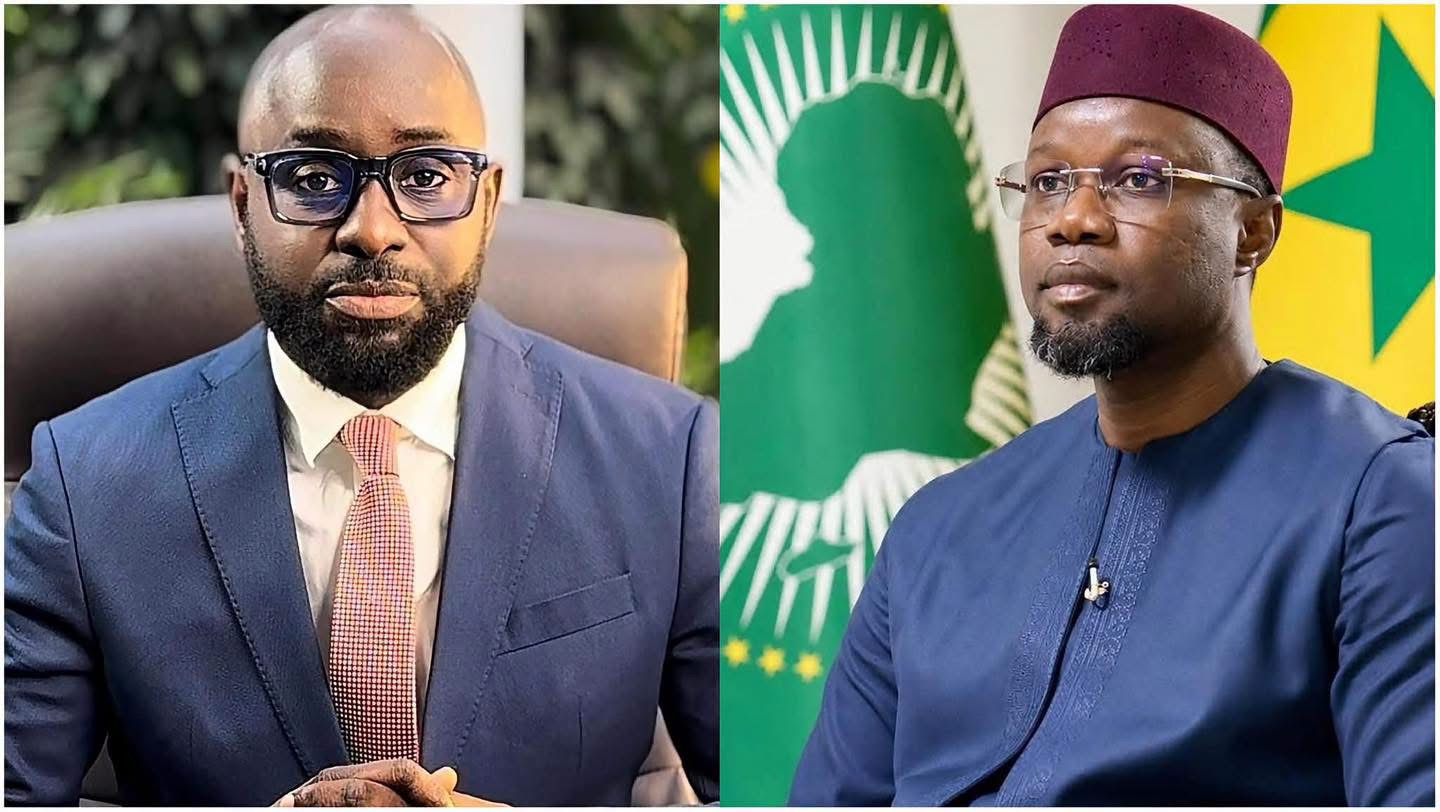
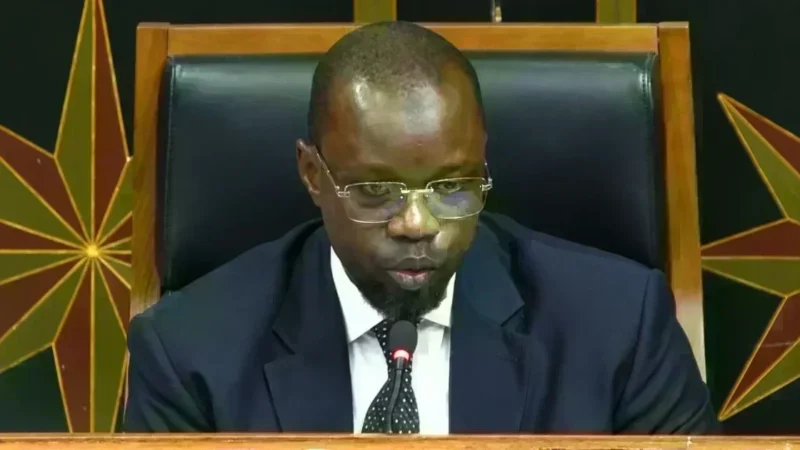
In a sharp rebuke of Prime Minister Ousmane Sonko’s governance, Thierno Bocoum, leader of the political movement AGIR-Les Leaders, has accused the head of government of a blatant double standard regarding the handling of public funds.
Bocoum’s criticism centers on the revelation of what he describes as political funds—financial allocations Sonko reportedly received during his tenure in state positions. According to the opposition leader, these funds amounted to approximately 1.77 billion CFA francs annually, a figure Sonko himself has acknowledged.
This disclosure, Bocoum argues, undermines Sonko’s credibility as a champion of anti-corruption efforts. He questions how the Prime Minister can advocate for accountability in government spending while benefiting from substantial undisclosed allocations himself.
The timing of the revelation is another point of contention. Bocoum points out that legislators, tasked with overseeing the national budget and government actions, only became aware of these funds years after they were reportedly distributed. This delay, he suggests, raises serious concerns about transparency and institutional oversight.
Adding to the controversy, Bocoum highlights a public statement from a former government spokesperson who admitted being unaware of such funds during her time in office. This admission, he claims, deepens the mystery surrounding their management and regulatory framework.
In his statement, Bocoum accuses Sonko of issuing certificates of probity to others while failing to meet the same transparency standards himself. He describes the situation as a form of political hypocrisy, where accountability is demanded of public officials but not applied uniformly across the board.
« Transparency cannot be a selective virtue, » Bocoum asserts. He warns that such inconsistencies risk eroding trust in Senegal’s governance system and fostering a culture of impunity among political leaders.
The opposition leader’s remarks underscore growing discontent over the management of public resources in Senegal, where debates about fiscal responsibility and ethical governance continue to intensify.