Senegal political uncertainty after sonko elected assembly president
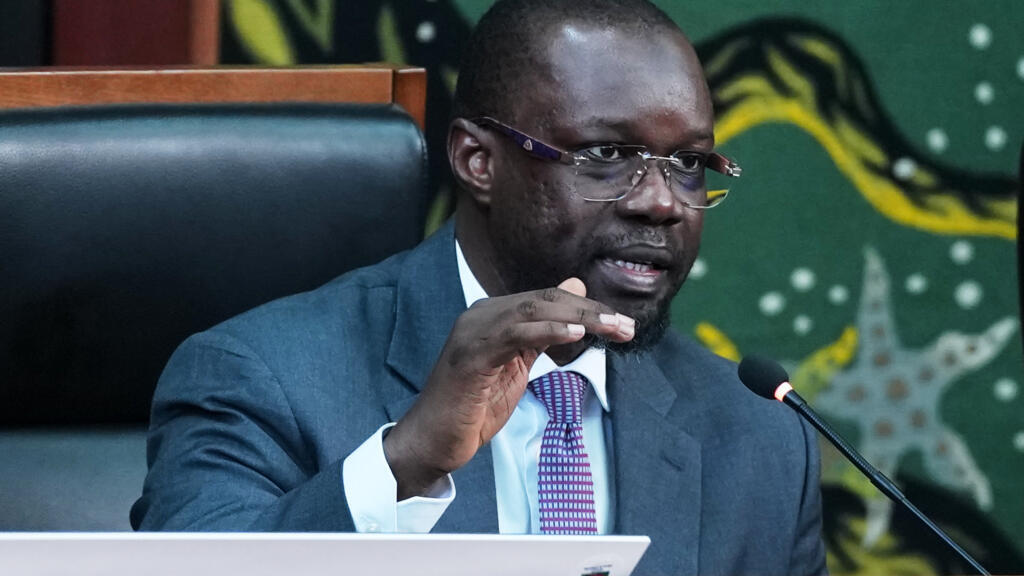
Senegal’s political landscape shaken by Ousmane Sonko’s rise to Assembly leadership
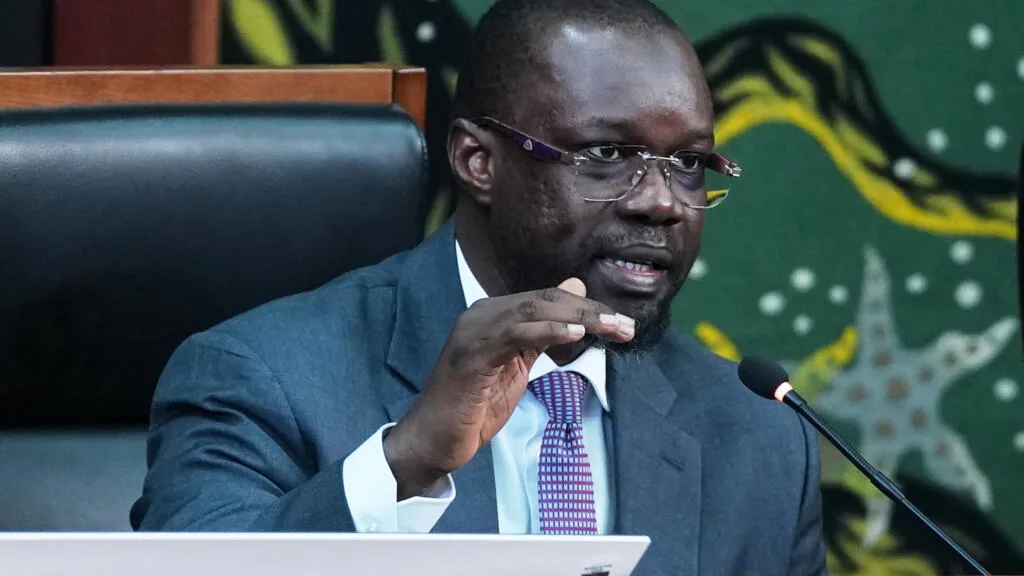
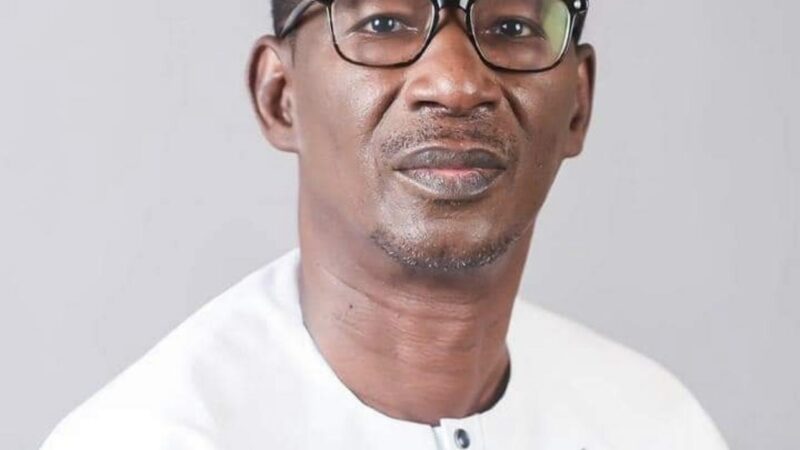
Ousmane Sonko, Senegal’s newly elected Assembly president, dismissed any notion of political disgrace following his rapid ascent to power. In an assertive press statement, he emphasized his “popular mandate” while vowing to avoid institutional gridlock or personal vendettas. Instead, he framed his role as a guardian of governmental accountability, promising strict oversight and full use of his constitutional powers if needed.
Sonko’s rhetoric struck a conciliatory tone toward the executive branch, though analysts warn his actions may reveal deeper ambitions. Political scientist Ellimane Haby Kane of Legs Africa describes this as an “unprecedented cohabitation,” suggesting Sonko’s moves are less about cooperation and more about asserting control over the presidency.
Constitutional showdown looms over government formation
Tensions escalated when President Bassirou Diomaye Faye’s administration bypassed the Pastef party in selecting the prime minister and cabinet. Sonko’s party swiftly condemned the move, demanding inclusion in decision-making processes. A Tuesday evening statement from Pastef hinted at conditional participation in government talks, signaling a potential standoff.
The power struggle underscores Sonko’s strategy to leverage his new legislative platform. By positioning himself as both a reformer and a counterbalance, he appears determined to reshape Senegal’s governance—with or without cooperation from the executive.