Sénégal: impact of new asset declaration law on top officials
Sénégal: the National Assembly has passed a landmark bill requiring senior officials to submit a second asset declaration at the end of their term, in addition to the initial declaration already mandated. But does this law apply to the three top leaders currently in office? This provision was part of a broader constitutional reform proposal that was struck down by the Constitutional Council. Will Bassirou Diomaye Faye sign this bill into law?
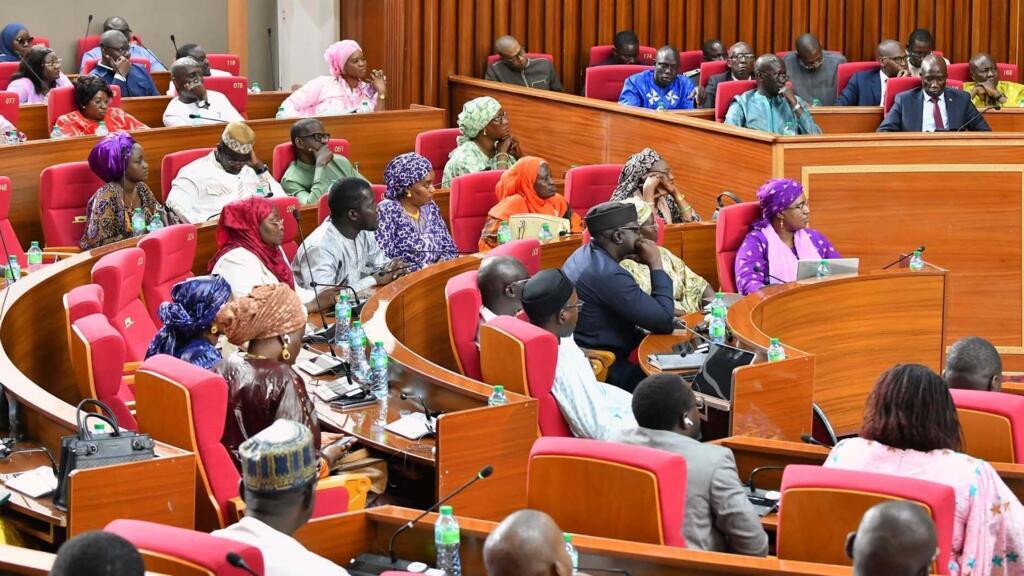
With Moussa Diaw, emeritus professor of political science at Université Gaston Berger in Saint-Louis, Sénégal.
What the new asset declaration law entails
The bill, championed by the ruling Pastef parliamentary majority, introduces a critical amendment to existing regulations. Traditionally, Sénégal’s top officials submitted asset declarations upon assuming office. This new legislation compels them to file a second declaration upon leaving their positions. The goal is to enhance transparency and accountability in public service.
This provision was initially included in a broader constitutional reform package. However, the Constitutional Council struck down the reform, leaving the asset declaration clause in a legal gray area. The question now arises: can this standalone provision still be enacted?
Key questions surrounding the law’s implementation
Several pressing questions demand answers:
- Scope of application: Does the law apply retroactively to officials currently in office, including the President, Prime Minister, and National Assembly Speaker?
- Presidential action: Will Bassirou Diomaye Faye sign the bill into law, given its origins in a constitutional reform rejected by the Constitutional Council?
- Legal validity: If enacted, how will the law be enforced, and what penalties will apply for non-compliance?
Emeritus professor Moussa Diaw, a leading voice in political science, weighs in on these challenges. He highlights the potential for this law to reshape governance in Sénégal by reinforcing ethical standards among public officials.
Broader implications for Sénégal’s governance
The dual asset declaration requirement represents a significant step toward greater transparency. For citizens, this could mean increased trust in government institutions. For officials, it underscores the importance of accountability in public service.
As the debate unfolds, all eyes are on the presidency. The decision to sign or reject the bill will signal Sénégal’s commitment to ethical governance and could set a precedent for future reforms.