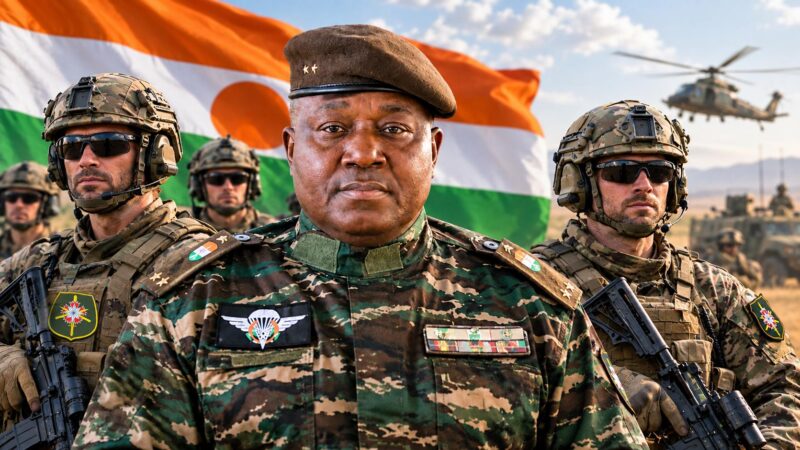
Russia’s africa corps reshapes military influence on the continent
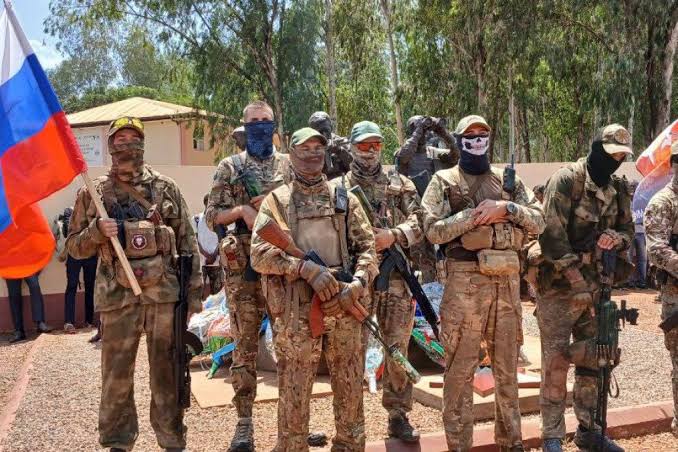
Russia’s Africa Corps: A bold military shift reshaping the continent
As geopolitical tensions rise, Moscow introduces a new military framework designed to expand its strategic reach across Africa.
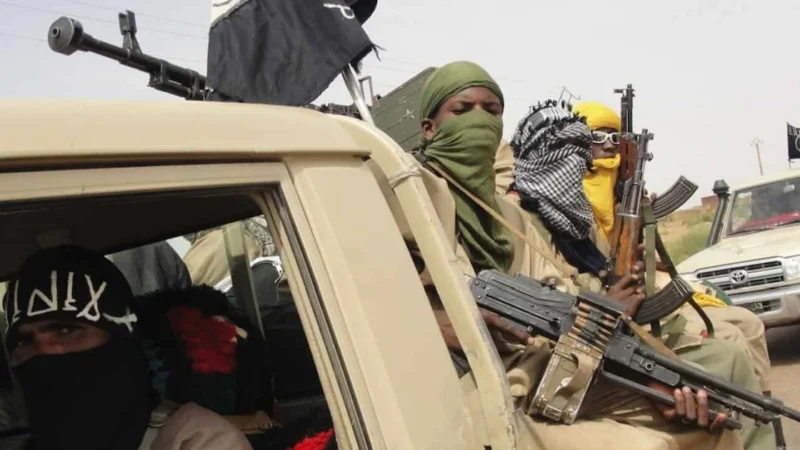
In a continent marked by shifting alliances and evolving power dynamics, Russia has unveiled a strategic military initiative that is rapidly redefining its presence in Africa. The transformation of Wagner Group operations into what is now termed the Africa Corps represents more than a rebranding effort—it signals a deliberate pivot in Moscow’s foreign policy toward the region.
This strategic evolution arrives at a pivotal moment. Multiple African nations, grappling with internal instability and frustrated by strained relations with Western powers, are actively seeking new alliances. Recent political transitions in Mali and Burkina Faso underscore this trend, with authorities in these countries increasingly viewing Russia as a viable partner in contrast to former colonial powers and the United States. This realignment is not limited to security cooperation but extends to economic and military ties, reinforcing Russia’s influence across the Sahel.
Wagner Group’s legacy in Africa—particularly in Libya and the Central African Republic—has been marred by controversy, with allegations of human rights violations and questionable legal standing. The formalization of the Africa Corps appears to offer Moscow a pathway to legitimize these operations under a more structured, state-aligned framework while maintaining plausible deniability on the global stage.
Sahel ambitions: a new front for Russian influence
The Sahel region has emerged as the central battleground for Russia’s expanding military ambitions in Africa. Plagued by chronic political instability and escalating threats from Islamist militant groups, the region presents an opportune theater for foreign interventions framed as security assistance. Military sources indicate that approximately 70% of Africa Corps personnel are drawn from former Wagner Group fighters and other private military contractors, now operating under a unified command structure.
Russia’s involvement in the Sahel gained visibility after the withdrawal of French forces from Mali’s Barkhane operation. While officials claim these forces operate independently, their presence aligns closely with Moscow’s strategic interests, particularly in securing access to critical natural resources.
Behind this military expansion lies a calculated economic strategy. Agreements between Russia and African governments often include provisions for resource extraction by Russian companies, ensuring both financial sustainability for military operations and long-term strategic footholds. This approach mirrors Cold War tactics, where ideological alliances were leveraged to extend geopolitical influence. Today, however, the focus is squarely on economic pragmatism and countering perceived Western dominance in global affairs.
Discussion
- No comments yet. Be the first.
Daily Africa briefings delivered to your inbox
Curated insights on African developments. Monday to Friday.