Russian cultural centres emerge as key influence tools across Africa
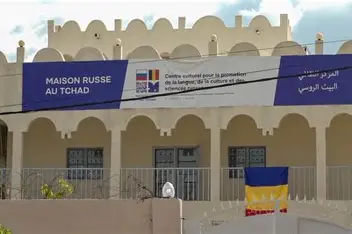
From Bamako to Bangui and Niamey, Russian Houses have firmly established themselves as one of the primary instruments in Moscow’s influence strategy across the African continent. Officially dedicated to cultural and educational cooperation, these centres now operate in over twenty countries and form a vital pillar of Russia’s soft power.
Through teaching the Russian language, organising cultural events, and granting thousands of university scholarships, Russia seeks to bolster its image among African youth and cultivate a new generation of professionals, academics, and decision-makers who are familiar with its values and geopolitical interests.
This strategy, however, raises questions. Beyond the opportunities offered to African students, some observers wonder about Moscow’s true objectives. By investing heavily in education and culture, is Russia also aiming to shape perceptions and influence tomorrow’s elites?
History shows that great powers have long utilised education, academic exchanges, and cultural diplomacy to expand their influence abroad. Training future generations constitutes an effective method for creating lasting networks of influence and consolidating long-term political partnerships.
In a context where several African countries are experiencing a decline in Western presence, Russia appears eager to fill that void. Russian Houses thus emerge not merely as cultural centres but as strategic tools designed to entrench Russian influence within African societies for the long haul.
The question therefore remains open: does this policy represent simple cultural cooperation, or does it constitute a means to shape mindsets and ultimately exert influence over the continent’s future generations?