Ebola and conflict: a dual crisis gripping eastern DRC
Ebola and conflict: a dual crisis gripping eastern DRC
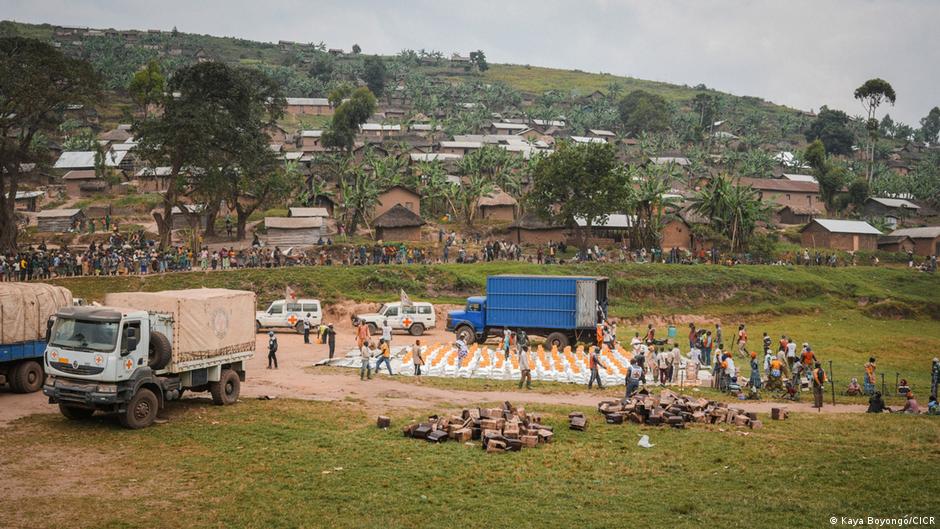
In eastern Democratic Republic of the Congo, communities are trapped in an unrelenting cycle of hardship. The resurgence of Ebola has compounded the devastation wrought by years of armed violence, displacing millions and eroding livelihoods. With markets disrupted and farmlands inaccessible, survival itself has become a daily struggle. The International Committee of the Red Cross (ICRC) has resumed critical food and seed distributions, reaching over 80,000 people despite daunting logistical challenges. But how can aid reach those most in need when the choice is between the terror of disease and the certainty of hunger?
When crisis collides: the compounded impact of Ebola and conflict
The eastern regions of the Democratic Republic of the Congo have borne the brunt of decades of instability. Now, the Ebola outbreak has layered another crisis onto an already fragile landscape. Families already struggling to recover from displacement now face the added burden of a deadly epidemic. The cumulative effect on their resilience is devastating.
Economic paralysis and shrinking opportunities
For many households, the conflict has already severed access to farmlands and markets. With each wave of violence, the ability to rebuild dwindles. The emergence of Ebola has further curtailed economic activities, particularly in regions where movement restrictions have stifled trade. Markets, once vital lifelines, now operate sporadically, leaving families with dwindling incomes and mounting food insecurity. The most vulnerable—those already teetering on the edge—are the first to fall through the cracks.
Agriculture under siege
The agricultural sector, the backbone of many rural economies, is under severe strain. Families are forced to concentrate their farming efforts in safer, but often overworked, plots near villages. This unsustainable practice risks depleting soil fertility over time. Compounding the problem, agricultural extension services—critical for improving yields—are frequently inaccessible due to conflict and displacement. The result is a sharp decline in food production, leaving communities even more dependent on external aid.
Border closures and trade disruptions
In border regions, the impact is particularly acute. Closures and restrictions have choked off vital trade routes, cutting off communities that relied on cross-border commerce for food supplies and income. The ripple effects are felt far beyond the immediate conflict zones, as families lose not only their livelihoods but also their ability to source essential goods.
The humanitarian response remains a lifeline, but the scale of need continues to outstrip available resources. As families navigate this dual crisis, the question remains: how long can they endure?