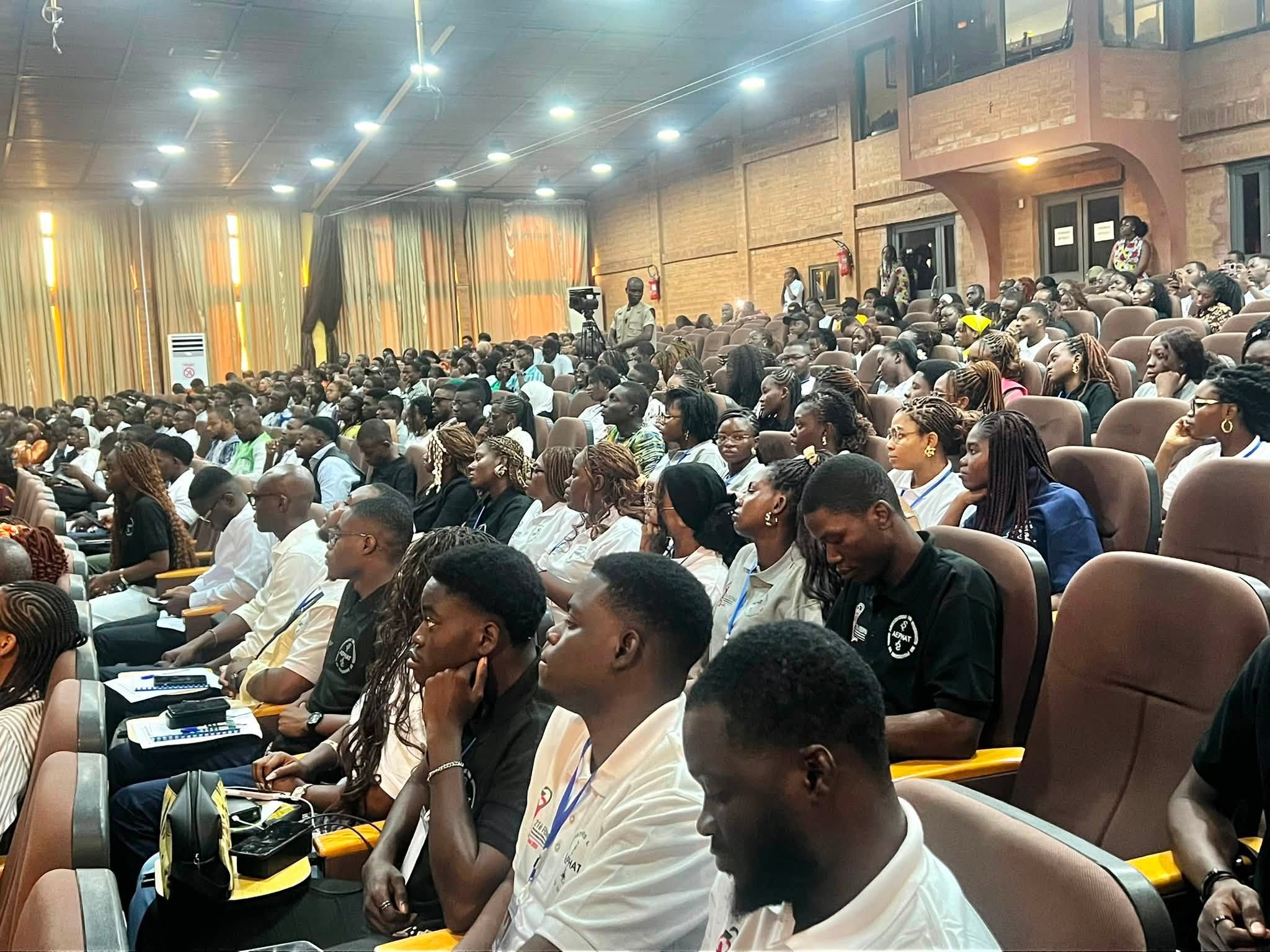
Lomé, August 13, 2026 — The West African region stands at a critical juncture: continue importing the majority of its medicines or forge its own path toward pharmaceutical sovereignty. This pivotal question brought together medical professionals, academics, and policymakers from across the subregion on August 12 at the Agora Senghor in Lomé, laying the groundwork for a complete overhaul of West Africa’s health strategy.
The 21st edition of the Federation of West African Pharmacy Students (FESPAO) Scientific and Cultural Conference was not merely a gathering of aspiring healthcare leaders demanding increased funding. Instead, it marked a decisive shift toward industrialization, genomic research, and the scientific validation of traditional knowledge. The era of relying solely on imported pharmaceuticals is over; the future demands homegrown solutions.
Local production: A national security imperative
The global pandemic and recent supply chain disruptions have exposed a harsh reality: Africa’s reliance on imported medicines is no longer just an economic burden—it poses a significant national security risk. This was the resounding message delivered during the conference.
Professor Gado Tchangbédji, Togo’s Minister Delegate for Higher Education and Research, outlined the government’s ambitious agenda under President Faure Essozimna Gnassingbé’s leadership. The goal? To position innovation and local pharmaceutical production as the cornerstone of the subregion’s resilience against future health crises. Achieving this vision will require substantial investment in scientific cooperation and applied research.

Genomic epidemiology and indigenous knowledge: The pillars of Africa’s pharmaceutical future
Yet local production alone is insufficient if it merely replicates foreign patents. True sovereignty in healthcare demands treatments tailored to Africa’s unique genetic and epidemiological landscape. The Lomé conference placed genomic epidemiology at the forefront of discussions, highlighting an urgent scientific priority: developing therapies based on the genetic makeup of African populations—populations long underrepresented in global clinical trials.
Alongside this cutting-edge science, the conference championed a cultural renaissance in healthcare. Experts advocated for the industrial-scale validation of traditional medicine. No longer content to tolerate informal herbal practices, the region is now committed to subjecting indigenous pharmacopoeia to rigorous clinical trials to discover and patent entirely new, 100% African-derived active molecules.

Redefining the pharmacist’s role in West Africa
This industrial and scientific leap forward faces a significant human capital challenge. As the sector evolves, so too must academic training. Professor Tchin Darré, Togo’s Minister Delegate for Health and Dean of the Faculty of Health Sciences at the University of Lomé, emphasized the cornerstone of this revolution: curriculum reform. Tomorrow’s West African pharmacist cannot remain confined to dispensing medications behind a counter. Instead, they must emerge as a research scientist, a manufacturing industry leader, and an expert in validating indigenous knowledge.
As discussions in Lomé enter their final phase, the 21st FESPAO Conference has a clear mission: to convert academic debates into actionable public policies that ensure universal healthcare access in West Africa is no longer dependent on factories thousands of kilometers away.
The stakes could not be higher. Without a robust local pharmaceutical industry and research ecosystem rooted in African realities, West Africa will remain beholden to solutions designed elsewhere. In the face of future pandemics, this dependence could cost lives. True health sovereignty will be measured by the continent’s ability to turn these resolutions into tangible actions—so that every patient in West Africa receives care designed, validated, and produced on African soil.