Regional mediators assess Congo crisis in Togo talks
Lomé became the epicenter of high-stakes diplomacy on June 7-8, 2026, as regional mediators gathered to confront the deepening crisis in eastern Democratic Republic of the Congo (DRC). Among those present were envoys from the Southern African Development Community (SADC), the East African Community (EAC), and the International Conference on the Great Lakes Region (ICGLR), alongside representatives of the African Union (AU) and the United Nations (UN). Their shared mission: to assess the alignment of peace strategies and measure the gap between current negotiations and a lasting resolution.
Lomé’s pivotal role in fractured peace efforts
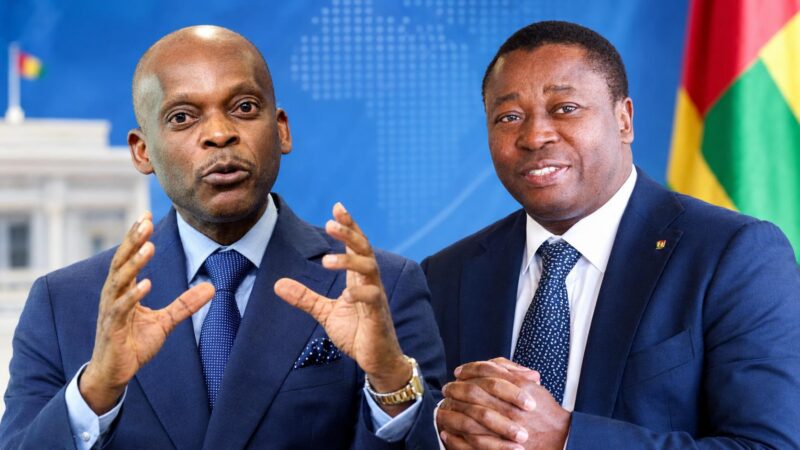
The decision to host the talks in Togo was deliberate. President Faure Gnassingbé, serving as AU facilitator for the Congolese dossier, has spent months attempting to unify overlapping diplomatic tracks. Initiatives such as the Nairobi Process led by the EAC and the Luanda Process, previously guided by former Angolan President João Lourenço, have progressed independently, yielding limited results. Efforts to merge these parallel efforts, initiated in 2024, have yet to translate into tangible gains on the ground.
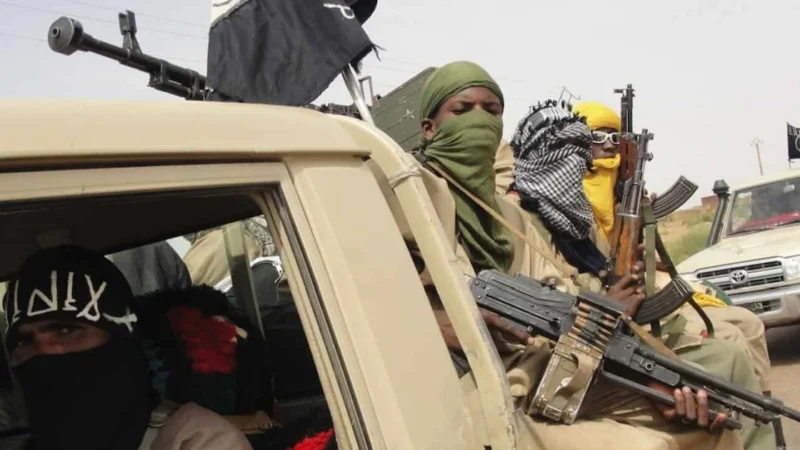
Participants openly acknowledged that coordination remains the weakest link in the peace process. Many stressed the need to streamline communication channels to prevent conflicting parties from exploiting divisions between mediators. This fragmentation has repeatedly benefited armed groups, particularly the March 23 Movement (M23), whose military gains in North Kivu and South Kivu have reshaped regional security dynamics.
Tense timelines amid DRC, Rwanda, and M23 tensions
Progress discussed in Lomé fell short of expectations. Direct talks between Kinshasa and the M23, once rejected by Congolese authorities, have finally begun under mounting pressure from regional and international partners. Meanwhile, the delicate bilateral dialogue between the DRC and Rwanda—accused by multiple observers of backing the rebel group—remains the most contentious obstacle to resolution.
Mediators emphasized that the implementation of prior commitments, including the withdrawal of foreign forces from Congolese soil and the disarming of armed factions, continues to lag dangerously. The deployment of the SADC Mission in the DRC (SAMIDRC), which suffered heavy losses in early 2025, exposed the limitations of military solutions in a conflict driven by economic, land, and identity disputes far beyond security concerns.
War economy deepens crisis challenges
Beyond political dimensions, delegates highlighted the urgency of dismantling illicit mining networks in Kivu. Coltan, tin, gold, and tungsten fuel a war economy with links to global supply chains. Several mediators advocated for a regional traceability mechanism, calling it essential to any sustainable de-escalation.
The Lomé meeting produced no headline-making announcements, but it reaffirmed the need for a holistic approach. Future steps must involve Congolese civil society actors—long sidelined in favor of state-led negotiations. Civil society leaders from North and South Kivu, along with customary authorities, are now seen as critical partners in embedding any potential agreement in the realities of affected communities.
Yet mediators departed Lomé without a firm timeline for a comprehensive accord. The coming weeks will reveal whether the diplomatic momentum sparked in Togo can shift the trajectory of a conflict that has defied regional peace frameworks for over three decades.