The Democratic Republic of Congo is currently battling its 17th documented outbreak of hemorrhagic fever. The epicenter of this latest crisis is located in Ituri, a remote and often volatile province in the country’s northeast, which is frequently affected by the activities of various armed groups.
According to the most recent official data, 1,048 individuals have been infected, leading to 267 deaths in one of the world’s most impoverished nations. This translates to a lethality rate of 25.5%. The virus has spread across three eastern provinces of the RDC, with an additional 20 cases and two fatalities confirmed in neighboring Uganda.
Presidential Commitment Declared
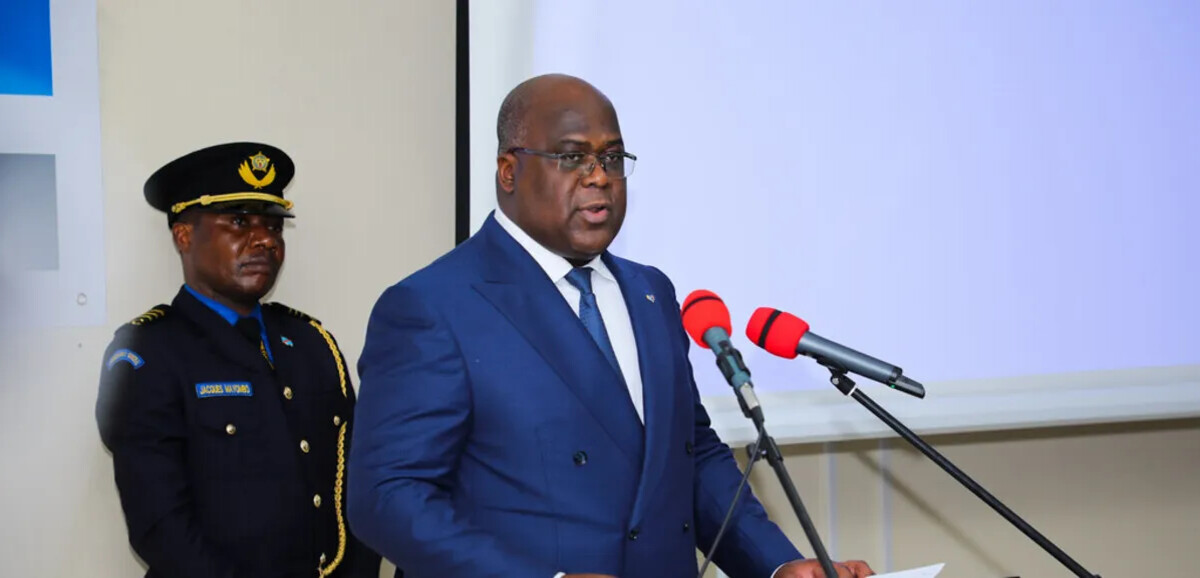
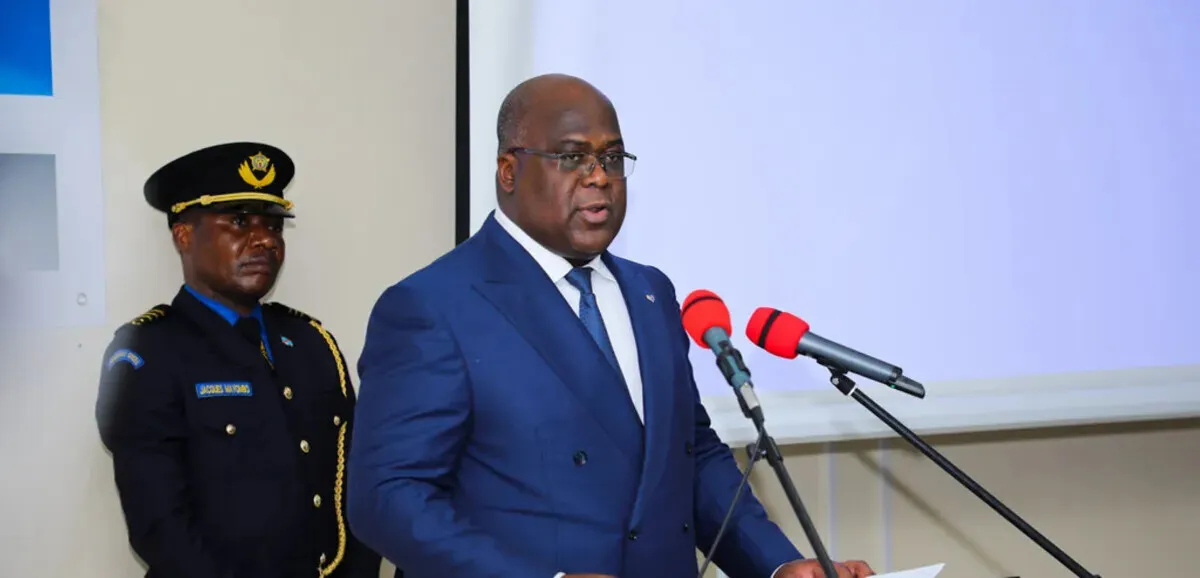
“I wish to announce my very soon descent into Ituri province, directly to the site of the epidemic, to personally monitor the situation. My commitment is absolute, as you can imagine,” President Tshisekedi affirmed during a statement delivered amidst the official visit of his Burundian counterpart, Evariste Ndayishimiye, to Kinshasa.
A specific date for the President’s visit has not yet been disclosed. This particular Ebola epidemic is caused by the Bundibugyo virus, for which no specific vaccine or treatment currently exists. The vaccines developed thus far are effective solely against the Zaïre virus, responsible for the largest Ebola outbreaks recorded to date. Historically, Ebola has claimed over 15,000 lives across Africa in the past five decades.
Challenges in Containment Efforts
In Ituri, the initial health response, which primarily relies on isolating infected individuals and tracing their contacts, experienced significant delays in its implementation. While resources are gradually being bolstered, local hospitals still face critical shortages of essential equipment, including protective gear and chlorine, more than a month after the official declaration of the epidemic.
Ebola treatment centers established in recent weeks, with support from World Health Organization (WHO) teams and several non-governmental organizations (NGOs) on the ground, are already operating at over 80% occupancy, as reported by health authorities.
Although testing capabilities have improved, international humanitarian organizations and local NGOs suggest that the official figures may still be an underestimate. They warn that the epidemic’s peak has not yet been reached and anticipate the crisis could persist for another six months to a year. The virus is known to transmit through direct contact with bodily fluids.
- ebola
- ituri
- rdc
- health
- African politics