Political shake-up in Senegal as president faye reshuffles cabinet
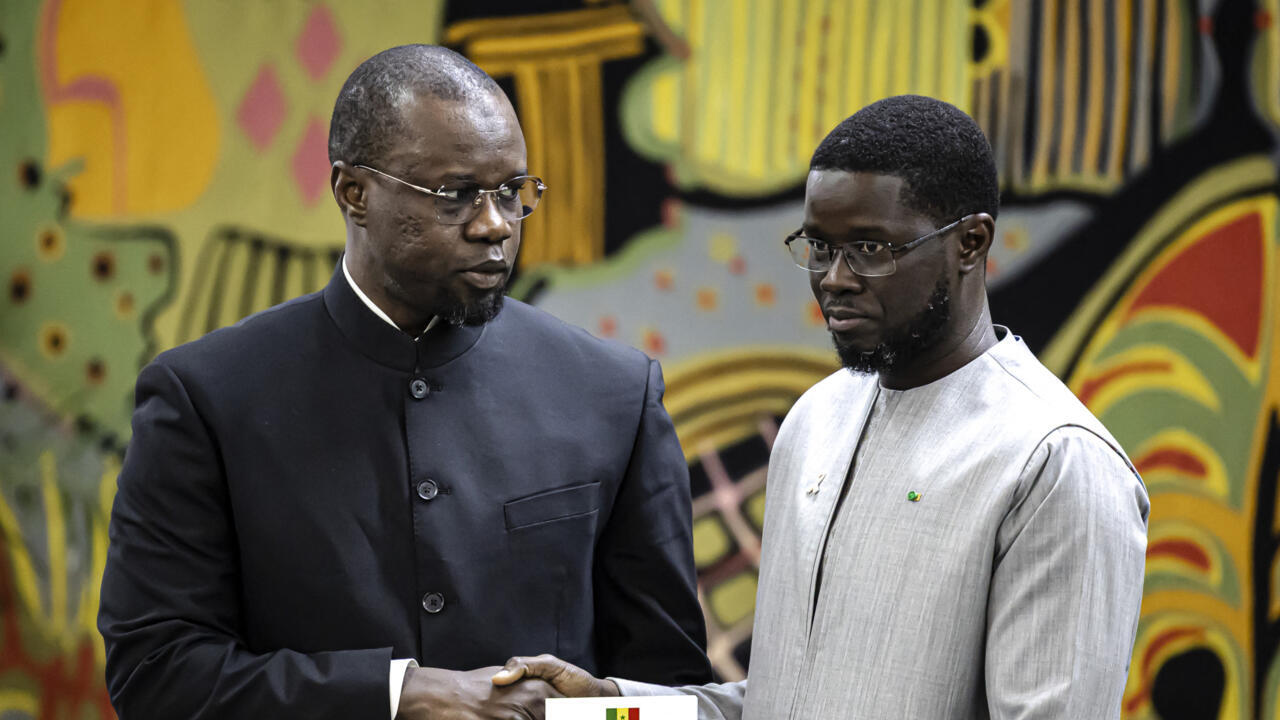
Senegal faces political turbulence after president faye dismisses ousmane sonko

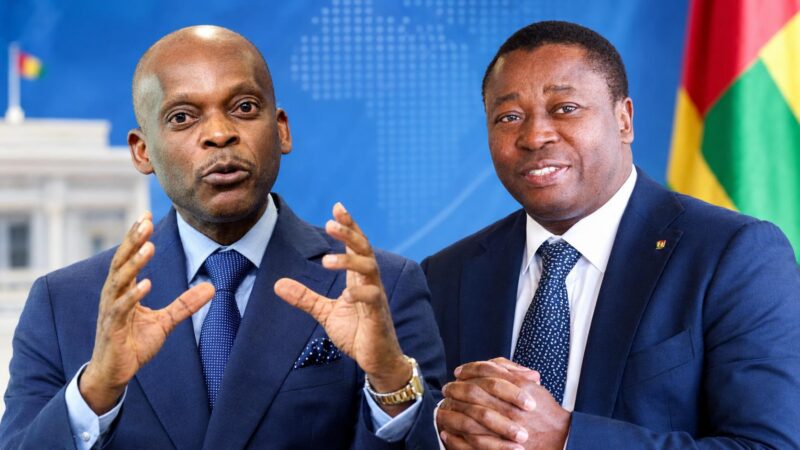
Bassirou Diomaye Faye, President of Senegal, has dismissed his long-time ally Ousmane Sonko and the entire government on Friday, May 22. By Sunday, the former Prime Minister had already returned to his role as a member of parliament. Meanwhile, Malick Ndiaye, President of the National Assembly, has resigned. The election of the new Assembly President is scheduled for Tuesday, and Ousmane Sonko appears to be a strong candidate for the position. This series of events signals a potential power struggle between the executive and legislative branches.
a fundamental contradiction at the heart of governance
The political fracture between Faye and Sonko was inevitable, as many observers had noted. As one Senegalese analyst put it, “The Faye-Sonko alliance carried within it an irreconcilable contradiction. Not because either lacked talent or political vision, but because a Republic cannot function as a jazz duo where two soloists improvise without a shared score. Executive power, by its very nature, is unitary.” Historical examples from Africa—from Nkrumah to Sankara, from Modibo Keïta to Laurent-Désiré Kabila—show that cohabitations at the highest level between two equally strong figures often end with the removal of one or the collapse of both.
tensions escalate into open confrontation
Political observers in Dakar confirm that months of simmering tensions between the two leaders finally erupted. Sonko had previously raised concerns about a “lack of authority”, accusing the President of failing to defend him against political attacks. The final rupture came just hours after a parliamentary session where Sonko publicly challenged several of the President’s decisions, including the management of political funds, stating that the President had “made a mistake.”
executive vs. legislature: the next battle
Analysts wonder whether Sonko will now emerge as President Faye’s main opponent. With his immense popularity, Sonko could pose a serious challenge. The next phase of this confrontation is likely to unfold in the National Assembly, where a power struggle may develop between the President and the legislative body. As one political science professor noted, “The political battle will likely shift to the Assembly, where Fey and Sonko’s factions could engage in a high-stakes clash. This risks paralyzing government action, especially as the executive pushes forward with major reforms—four key bills on constitutional revision, the Constitutional Court, political parties, and the creation of an independent electoral commission—are set to be presented soon.”
With the Pastef party, led by Sonko, pitted against the Diomaye Faye Coalition, the stage is set for an intense clash between the executive and legislative branches. The 2027 local elections and the 2029 presidential race are now in sight, and the fracture has left many Pastef supporters—particularly young Senegalese who once placed their faith in the Faye-Sonko duo—feeling disillusioned and uncertain about the future.
sonko’s rising influence
Observers suggest that Sonko could emerge victorious from this confrontation. His party, Pastef, dominates the political landscape thanks to a highly mobilized youth base and a compelling narrative built during years of opposition to the previous regime. Even when legally barred from running in the 2024 presidential election, Sonko remained the central figure around which the hopes for change crystallized. As one geopolitical analyst noted, “While President Faye holds institutional legitimacy, Sonko retains formidable popular and militant legitimacy. In any future political or electoral confrontation, this could prove decisive.”