Ousmane Sonko clarifies stance on political funds and presidential divergence in Sénégal
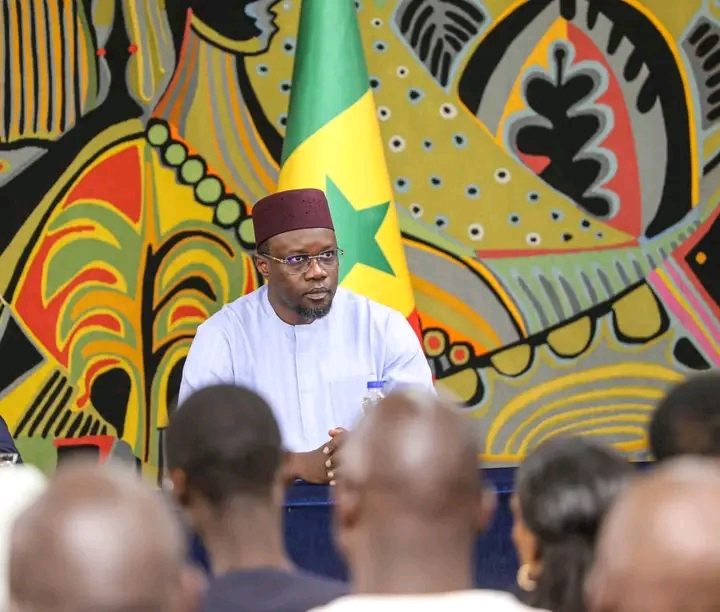
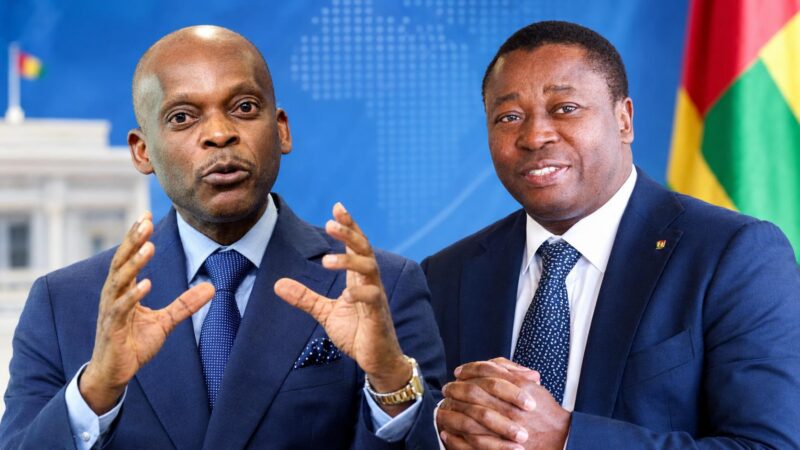
Prime Minister Ousmane Sonko has provided a definitive clarification on the government’s strategy regarding the sensitive issue of discretionary political funds, openly acknowledging a difference in opinion with President Bassirou Diomaye Faye.
In a candid address, the head of government stated that he does not share the President’s current view on this specific matter. “I believe the President is mistaken on this point, and I hope he will reconsider his position,” Sonko remarked. He clarified that the coalition’s objective was never to abolish these financial envelopes entirely, but rather to eliminate “fictitious accounts” that allow public money to be used without any form of oversight or control.
Transparency and parliamentary oversight
Disclosing that the Prime Minister’s office is allocated 1.77 billion FCFA in political funds, Ousmane Sonko emphasized that these resources must no longer serve as a mechanism for political patronage, the recruitment of activists, or personal enrichment.
To address the historical lack of transparency, he proposed a significant reform inspired by the French governance model. While acknowledging that certain sensitive budgets, such as those related to national defense, must remain confidential, he suggested the establishment of a restricted parliamentary commission. This body would be tasked with ensuring that the funds approved by the National Assembly are utilized strictly for their intended purposes.
A shift in management practices
Demonstrating a commitment to these principles, the Prime Minister explained that he has personally moved away from cash-based management. Instead, he utilizes bank transfers and checks to handle the funds under his jurisdiction.
Ousmane Sonko concluded by asserting that while he supports maintaining or even increasing these political funds, strict accountability is non-negotiable. His remarks on the necessity of control mechanisms were met with approval from the attending deputies, signaling a potential shift in how Sénégal manages its state resources within the framework of African politics and governance Africa.