Niger emerges as strategic linchpin for Trans-Saharan Gas Pipeline
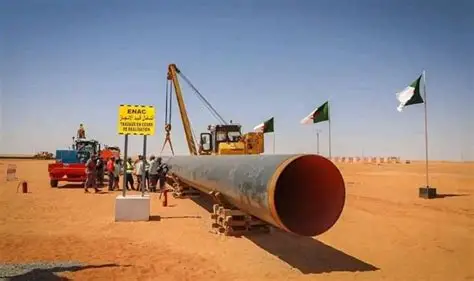
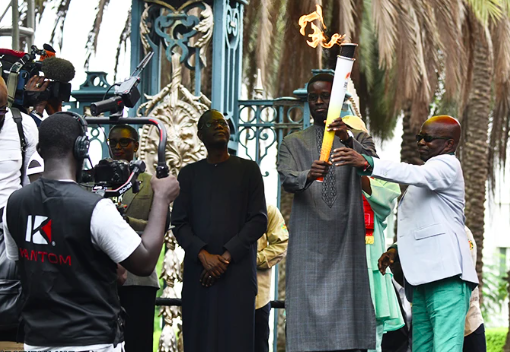
The African energy landscape is poised for a historic transformation, with Niger now establishing itself as a central player. Officially launched on June 4 in coordination with strategic partners Algeria and Nigeria, the Trans-Saharan Gas Pipeline (TSGP) project has entered a decisive phase. Spanning over 4,000 kilometers, this mega-project aims to transport Nigerian natural gas to the heart of Europe, crossing Niger from south to north.
For Niamey, the stakes go beyond a simple infrastructure project: it is an assertion of economic sovereignty and a new geopolitical standing on the international stage.
The Niger corridor: Bridging Africa’s energy future
The TSGP route will connect the major gas fields of the Niger Delta to existing Algerian pipeline networks (including Medgaz and Transmed), which are directly linked to the European market. At the center of this vast transit equation lies Niger.
Key project figures:
- Total length: Over 4,000 km, with a major segment traversing Niger from south to north.
- Annual capacity: Approximately 30 billion cubic meters of natural gas for export.
- Estimated investment: More than $13 billion.
By offering a secure and optimized transit infrastructure, Niger establishes itself as the indispensable facilitator of the Abuja-Alger axis. Far from being a mere spectator in this transit corridor, the country intends to capitalize on this unique geographical position to boost its national economy.
Significant local benefits and development opportunities
Beyond macroeconomic prospects and transit royalties that will bolster state revenues, the TSGP represents an unprecedented industrial development lever for Niger. Preliminary agreements include local supply clauses.
Electrification and energy access: A portion of the transported gas may be diverted to supply local thermal power plants, a major asset to address the country’s energy deficit.
Job creation and skills transfer: The construction phase and subsequent operation of compressor stations on Nigerien soil will generate thousands of direct and indirect jobs, fostering the emergence of local expertise in gas engineering.
A strategic response to European demand
The timing of this project launch is no coincidence. The European Union, engaged in an aggressive diversification strategy for its supply sources to move away from Russian gas, sees the TSGP as a prime alternative.
By becoming the guarantor of this energy flow security toward Europe, Niger significantly strengthens its diplomatic weight with Western partners. The country demonstrates its ability to engage in complex, large-scale multinational industrial partnerships.
Challenges ahead: Security and financing
While enthusiasm is palpable in Niamey, Algiers, and Abuja, the road remains fraught with obstacles. The main challenge lies in securing a 4,000 km route traversing Sahelian zones plagued by chronic security issues. The three partner countries will need to coordinate their defense forces in an unprecedented manner to protect the infrastructure.
Moreover, final financial closure and attracting international investments will require political stability and a transparent regulatory framework—signals the Nigerien government is actively working to send to markets.
The June 4 launch marked the beginning of a new era. By asserting itself as the indispensable link between the Nigerian gas giant and Algerian distribution infrastructure, Niger is no longer merely enduring regional geopolitics—it is shaping it. The success of the TSGP could lastingly transform Niger into an essential energy hub between sub-Saharan Africa and the European continent.