Niamey, June 10, 2026 – Niger is strategically advancing its presence within global institutions. To this end, Dr. Mamoudou Harouna Djingarey, President of the Transitional Consultative Council for Refoundation (CCR), hosted a delegation in Niamey on Tuesday, June 9. The meeting focused on advocating for the candidacy of Ms. Nafissatou Idé Sadou for the United Nations Committee on the Elimination of Discrimination against Women (CEDAW).
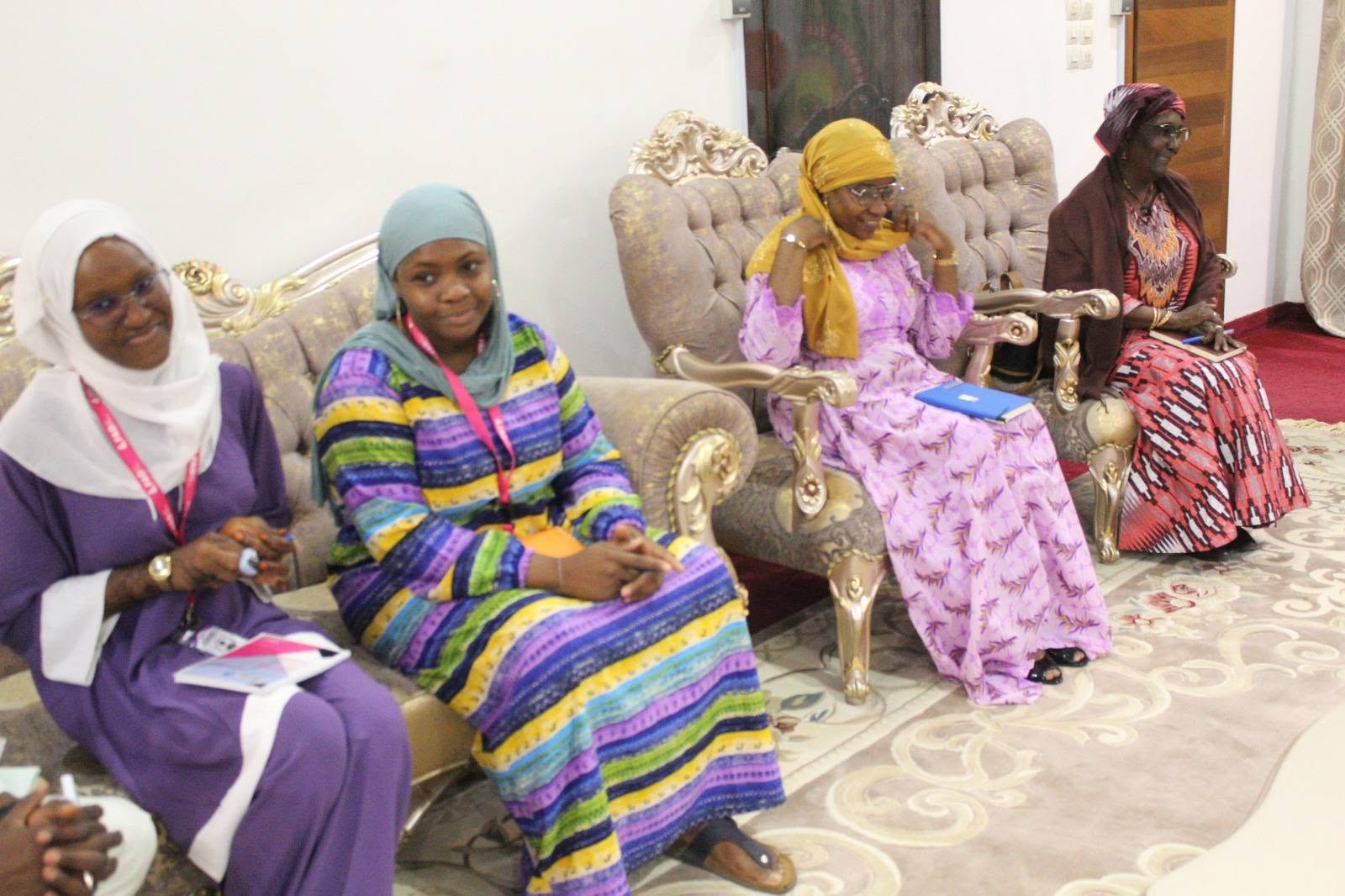
A strategic coalition to elevate nigerien civil society expertise on the global stage
Ms. Idé Sadou, who leads the NGO Femmes Action et Développement (FAD), is backed by a dedicated committee established to champion her candidacy internationally. During their reception at the CCR headquarters, committee members provided updates on their ongoing efforts and engaged in discussions about broadening support for this significant ambition championed by Niger.
Furthermore, the discussions underscored the profound implications of such a candidacy for the nation. Proponents of this initiative assert that a Nigerien assuming a role within this crucial UN body would serve as a powerful acknowledgment of national competencies and significantly enhance the country’s visibility in global discussions concerning women’s rights and governance Africa.
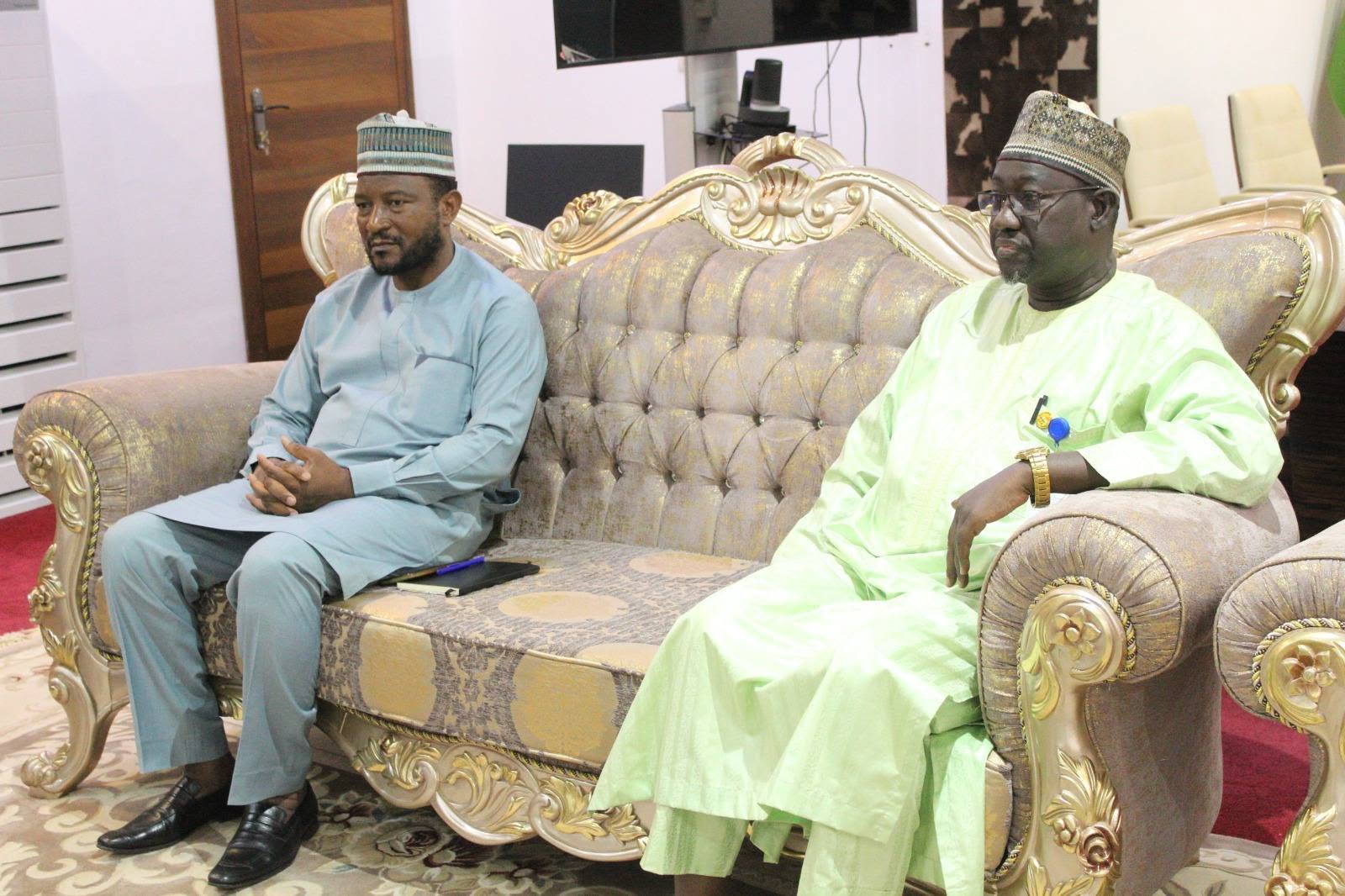
Niger’s growing international influence at the united nations
For his part, the President of the Transitional Consultative Council for Refoundation expressed keen interest in this endeavor. He urged the committee members to persist in their efforts and emphasized the critical importance of leveraging national human resources capable of enhancing Niger’s standing beyond its borders, contributing to African politics and society Africa.
The audience also saw the attendance of several prominent CCR officials, including General Rapporteur Abdou Moustapha, and Cheikh Hassane Abdoulaye, Secretary of the Justice and Human Rights Commission.
More broadly, this concerted effort to promote Ms. Nafissatou Idé Sadou’s candidacy reflects Niger’s commitment to increasing its representation within international institutions. Should she be elected, Niger would significantly amplify its voice within United Nations mechanisms dedicated to advancing gender equality and combating discrimination against women, thereby solidifying its diplomatic influence on human rights issues on the global stage.